Room Humidity in Winter: Ideal Ranges & Tips
Winter heating alters indoor vapor pressure and relative humidity dynamics. Maintaining proper balance prevents structural damage and respiratory irritation.


Keep indoor winter relative humidity between thirty and fifty percent. Monitor conditions using a calibrated hygrometer to avoid condensation and mold growth.
Ready to compare models? Start with our Best Dehumidifier: Top Picks for Basements & Homes.
Practical Quick-Reference Table
| Scenario / Metric | Recommended Target | Why It Matters |
|---|---|---|
| Living Areas | 30% - 50% | Prevents condensation and respiratory issues |
| Exterior Walls | Below 45% | Stops thermal bridging moisture accumulation |
| Basements | 35% - 45% | Mitigates subterranean frost-line vapor drive |
| Window Glass | Dew Point Delta | Avoids freezing frame condensation buildup |
| Hygrometer | ±2% Accuracy | Ensures precise psychrometric measurements |
| Air Exchange | 0.35 ACH | Dilutes indoor pollutants without over-drying |
Winter Psychrometrics and Vapor Pressure Physics
Cold outdoor air holds very little moisture by volume. When heated indoors, its relative humidity plummets dramatically, creating a distinct vapor pressure differential across building envelopes.
This pressure gradient forces warm, moisture-laden indoor air outward through porous drywall and insulation layers. Managing this dynamic requires understanding dew point thresholds to stop hidden structural freezing.
Without proper vapor control, moisture condenses inside cold wall cavities when temperatures drop below freezing. This hidden accumulation frequently leads to structural decay, rot, and toxic mold proliferation.
Balancing indoor moisture prevents static electricity buildup and protects wooden furniture from severe cracking. Precise monitoring helps maintain a healthy indoor environment throughout the coldest seasonal months.
- Measure relative humidity daily using a calibrated digital hygrometer.
- Calculate local dew points to prevent interstitial wall condensation.
- Maintain baseline moisture targets to safeguard wooden structural framing.
- Inspect thermal envelopes for air leakage pathways during winter.
Evaluating Indoor Dew Point Dynamics
The dew point represents the exact temperature where air becomes fully saturated with water vapor. Monitoring this metric ensures interior glass surfaces remain dry and clear of frost.
If indoor humidity is too high, condensation forms instantly on single-pane windows. Lowering ambient moisture levels shifts the dew point downward, protecting your window frames from water damage.
- Track surface temperatures using an infrared thermometer.
- Keep indoor dew points below freezing outdoor temperatures.
Diagnosing Excessive Winter Moisture Sources
Everyday household activities generate significant indoor humidity during winter months. Cooking, long showers, and unvented clothes dryers constantly release heavy water vapor loads into closed living spaces.

Indoor houseplants and domestic pets also contribute substantial moisture through respiration and soil evaporation. Identifying these hidden contributors is essential for maintaining proper baseline humidity control indoors.
Inadequate kitchen ventilation allows boiling water steam to disperse freely through hallways. Installing and using exhaust fans captures this moisture at the source before it reaches cold exterior surfaces.
Unvented gas heaters produce large volumes of water vapor as a combustion byproduct. Exploring choices in our best dehumidifier for large room lineup helps manage heavy indoor moisture loads effectively.
- Run range hood exhaust fans whenever boiling liquids on stoves.
- Vent clothes dryers directly to the outdoor environment.
- Limit the total number of indoor potted plants.
- Replace unvented combustion heating systems with sealed units.
Assessing Subterranean Moisture Ingress
Subterranean foundation walls draw moisture inward via capillary action through concrete. Cold winter soil temperatures amplify this vapor drive into finished basements and subterranean utility rooms.
Sealing foundation cracks and applying vapor barriers stops liquid water migration. Combining physical barriers with targeted ventilation protects subterranean spaces from persistent winter dampness issues.
- Inspect foundation walls for active water seepage.
- Install heavy-duty polyethylene vapor barriers over crawlspace floors.
Video Walkthrough: Ask Andrew: Why indoor humidity matters during the cold season
Sizing and Deploying Dehumidification Equipment
Selecting options from our best small room dehumidifiers guide prevents continuous compressor cycling and excessive energy consumption. Calculate room volume carefully to determine the exact pint extraction rating needed.
Place dehumidifiers in central open areas to maximize airflow circulation and moisture capture. Avoid pushing units directly against walls or furniture where they can restrict air intake grilles.
In very cold winter spaces, standard refrigeration dehumidifiers suffer from coil frosting. Selecting units with automatic defrost features ensures continuous operation in unheated garages or basements.
Proper drainage setup prevents overflow incidents during extended unattended operation cycles. Route gravity drain hoses downward continuously or use reliable internal condensate pumps for elevated water discharge.
- Match pint capacity directly to square footage and baseline humidity.
- Maintain at least twelve inches of clearance around air vents.
- Verify low-temperature operating limits before winter deployment.
- Secure gravity drain lines to prevent accidental dislodgement.
Calculating Winter Extraction Requirements
Winter moisture loads generally run lower than summer humidity challenges in most climates. Select smaller capacity units unless managing high-moisture spaces like indoor pools or damp basements.
Evaluate your home volume in cubic feet rather than square footage alone. High ceilings significantly increase total air mass, requiring careful adjustment of your equipment sizing calculations.
- Multiply room length by width and ceiling height.
- Adjust sizing downward for cold, low-occupancy winter rooms.
Psychrometric Calibration and Hygrometer Placement
Inaccurate humidity readings lead to improper equipment operation and poor indoor air quality. Calibrate your hygrometers regularly using the salt test method to ensure absolute measurement accuracy.
Place hygrometers at breathing height away from direct heat sources and drafty doorways. Avoid positioning sensors near radiators, registers, or exterior walls that skew ambient psychrometric data.
Digital sensors drift over time due to dust accumulation and extreme environmental shifts. Routine calibration maintains reliability, giving you trustworthy data for seasonal humidity management protocols.
Record daily humidity fluctuations to identify patterns linked to specific activities. Using our pint capacity calculator tool helps fine-tune ventilation schedules and dehumidifier run times for optimal energy efficiency.
- Perform salt calibration tests annually on all hygrometers.
- Mount sensors away from direct sunlight and heating vents.
- Replace dying batteries promptly to prevent erratic digital readouts.
- Cross-reference readings with a secondary calibrated reference instrument.
Executing the Salt Slurry Calibration Test
Mix pure table salt with distilled water until it forms a slushy consistency. Seal the mixture and your hygrometer inside an airtight bag for twelve hours.
A properly calibrated sensor should read exactly seventy-five percent relative humidity. Adjust the calibration offset button if your device displays a different reading after stabilization.
- Use strictly non-iodized table salt for testing.
- Maintain a stable room temperature during the calibration process.
Ventilation Strategies for Diluting Winter Air
Controlled mechanical ventilation introduces fresh outdoor air while expelling stale indoor pollutants. Heat recovery ventilators transfer thermal energy, warming incoming fresh air using exhaust airstream heat.
Opening windows briefly provides an effective manual method for purging excess indoor humidity. Target short, cross-breeze flushes to drop moisture levels without chilling your structural framing timbers.
Exhaust fans in bathrooms and kitchens must run long enough to clear residual steam. Keep fans active for twenty minutes after completing moisture-producing tasks to ensure complete air purging.
Avoid excessive ventilation during freezing weather to prevent dropping indoor relative humidity too low. Over-drying causes wood shrinking, floor cracking, and increased susceptibility to respiratory virus transmission.
- Install balanced heat recovery ventilation systems for whole-house control.
- Run spot exhaust fans during and after high-moisture activities.
- Limit manual window opening durations during sub-zero cold snaps.
- Monitor indoor humidity continuously to avoid over-ventilation dryness.
Balancing Air Exchange Rates
Building standards recommend maintaining adequate air changes per hour for indoor air quality. Exceeding these rates in winter wastes valuable heating energy and causes severe indoor dryness.
Adjust mechanical ventilation speeds based on daily occupancy and outdoor weather conditions. Lower fan speeds during deep winter freezes to conserve heat and retain healthy moisture levels.
- Calculate baseline air change requirements for your home volume.
- Use multi-speed ventilation controllers for seasonal adjustments.
Preventing Condensation and Thermal Bridging
Thermal bridging occurs when highly conductive building materials allow heat to escape rapidly. These cold spots encourage localized water vapor condensation, leading to visible mold colonies.

Insulate metal window frames and exterior door thresholds to raise surface temperatures. Higher temperatures prevent moisture from dropping out of the air onto vulnerable building materials.
Apply storm windows or upgrade to double-pane glass to eliminate interior window frost. Improving window thermal performance stops water pooling on sills and destroys mold habitats.
Inspect closets and exterior corners where stagnant air permits moisture accumulation. Improve air circulation behind furniture by pulling large items slightly away from cold outside walls.
- Add continuous exterior insulation to mitigate thermal bridging paths.
- Install thermal break frames on all exterior windows.
- Ensure interior doors remain open to facilitate home air mixing.
- Clear blocked return air vents to maintain steady circulation.
Managing Attic and Roof Space Condensation
Warm air leaking into cold attics drops its moisture payload onto roof sheathing. Seal all ceiling penetrations with fire-rated foam to block moisture-laden air pathways.
Ensure soffit and ridge vents remain completely unblocked by insulation baffles. Proper attic ventilation flushes out migrating moisture before it can rot roof structural framing.
- Seal wire penetrations and plumbing stacks in upper ceilings.
- Install rigid insulation baffles at every roof soffit vent.
Routine Maintenance and Equipment Safety Protocols
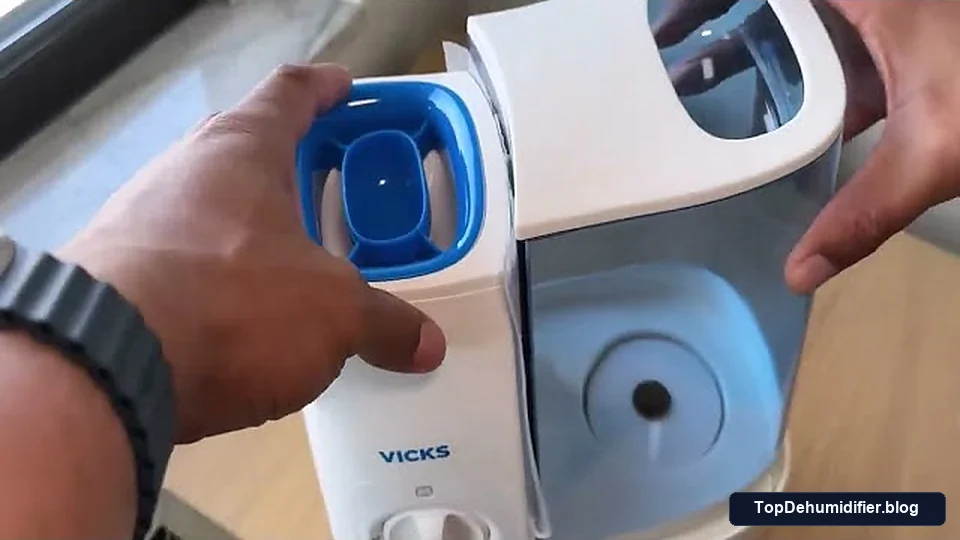
Regular equipment maintenance ensures reliable dehumidifier operation throughout the heavy winter season. Clean air filters bi-weekly to prevent dust buildup and maintain maximum airflow efficiency.
Inspect collection buckets and internal drainage hoses regularly for biological slime blockages. Sanitize reservoirs with a mild bleach solution to prevent bacterial and mold growth.
Unplug electrical equipment before performing any cleaning or internal component inspections. Never operate units with damaged power cords to avoid severe electrical shock hazards.
Store portable equipment in clean, dry environments when winter heating seasons conclude. Proper off-season storage extends compressor lifespan and protects delicate electronic control boards.
- Wash mesh air filters with warm water and mild detergent.
- Test internal condensate pumps monthly during heavy operation cycles.
- Verify auto-shutoff switches function correctly to prevent overflows.
- Check power plugs for signs of thermal scorching or wear.
Inspecting Coils for Winter Frosting
Operating refrigeration dehumidifiers in cold rooms triggers ice buildup on evaporator coils. This frost blocks airflow and can permanently damage the compressor if left unchecked.
Turn off the unit immediately if frost accumulates across the cooling coils. Allow the ice to melt completely and verify room temperatures meet manufacturer operating limits.
- Monitor coil condition during low-temperature operation.
- Relocate units to warmer spaces if frosting persists.
Troubleshooting Common Winter Humidity Issues
Persistent high humidity despite continuous operation indicates sizing failures. Reviewing options in our best dehumidifier for room selection helps ensure you choose the proper moisture extraction capacity.
Check outdoor drainage paths and exhaust vents to ensure they are clear of snow. Blocked vents trap indoor moisture and quickly overwhelm your indoor humidity controls.
Sudden drops in indoor humidity often result from aggressive central heating combined with ventilation. Use evaporative humidifiers cautiously to restore balance without triggering excessive window condensation.
If musty odors persist despite normal hygrometer readings, inspect hidden wall cavities. Hidden mold growth requires professional remediation to protect inhabitants from harmful microbial spores.
- Clean blocked air intake grilles and exhaust channels.
- Calibrate hygrometers to confirm true baseline humidity levels.
- Inspect crawlspaces and basements for active water leaks.
- Consult HVAC specialists for whole-house diagnostic evaluations.
Resolving Persistent Window Sweating
Window condensation during deep freezes points to excessive indoor relative humidity levels. Lower your target humidity setpoint until glass surfaces clear of droplets and frost.
Use ceiling fans running at low speed in reverse to push air downward. This destratifies warm air and warms cold glass surfaces, stopping condensation formation.
- Lower indoor humidity targets during extreme cold snaps.
- Direct oscillating fans toward problem window areas.
Frequently Asked Questions
What is the ideal room humidity level during winter months?
Maintain indoor relative humidity between thirty and fifty percent throughout the winter season. This range prevents structural condensation while avoiding static electricity and severe dryness.
Why does my house get so dry when the heating turns on?
Cold outdoor air contains very little moisture. When heating systems warm this incoming air, its relative humidity drops sharply, creating a dry indoor environment that requires careful management.
Can I run a standard dehumidifier in a cold winter basement?
Standard refrigeration units struggle when ambient temperatures drop below sixty-five degrees Fahrenheit. Use units equipped with automatic defrost functions or relocate them to warmer areas during deep winter.
How do I stop condensation from forming on my window panes?
Lower your indoor humidity targets and increase air circulation using oscillating fans. Upgrading to double-pane glass or adding storm windows raises surface temperatures to prevent moisture buildup.
How often should I calibrate my digital hygrometer?
Calibrate your digital hygrometers at least once a year using the salt slurry test. Regular testing ensures your psychrometric measurements remain accurate and reliable for proper humidity control.