Ideal Home Humidity Level Winter: Ranges
Maintaining correct winter indoor humidity protects building structures and respiratory health. Proper psychrometric balance stops window condensation before mold forms.


Keep indoor winter humidity between 30% and 40% to prevent window condensation and structural decay. Always measure relative humidity using a calibrated hygrometer placed in central living zones.
Ready to compare models? Start with our Best Dehumidifier: Top Picks for Basements & Homes.
Practical Quick-Reference Table
| Scenario / Metric | Recommended Target | Why It Matters |
|---|---|---|
| Outdoor Temp Below 20F | 30% Maximum RH | Prevents severe window frost and frame rot. |
| Outdoor Temp 20F to 30F | 35% Maximum RH | Balances human comfort with building protection. |
| Outdoor Temp Above 30F | 40% Maximum RH | Avoids excessive dryness while controlling moisture. |
| Basement Spaces | 30% to 35% RH | Mitigates subterranean thermal bridging risks. |
| Sleeping Areas | 35% Stable RH | Reduces dust mite proliferation without static shock. |
| Hygrometer Calibration | Plus or Minus 2% | Ensures accurate psychrometric baseline tracking. |
Understanding Winter Psychrometrics and Vapor Pressure
Cold outdoor air holds very little absolute moisture compared to warm indoor air. When this cold air infiltrates your living space, it warms up rapidly and drops the relative humidity significantly.
Vapor pressure differentials drive moisture migration through building assemblies from warm zones to cold zones. Managing this movement requires careful attention to interior dew points and surface temperature thresholds.
Without proper balance, water vapor will diffuse directly into exterior wall cavities. This hidden moisture eventually condenses against cold sheathing materials, creating severe structural rot over time.
Understanding these foundational thermodynamic principles helps homeowners select appropriate mechanical dehumidification strategies. You must treat the entire building envelope as a single integrated pressure system.
- Cold air infiltration drastically lowers indoor relative humidity levels.
- Vapor pressure pushes warm indoor moisture toward cold exterior walls.
- Building assemblies require vapor barriers to stop interstitial condensation.
- Thermal bridging lowers surface temperatures below the local dew point.
Calculating Indoor Dew Points
Calculating the interior dew point allows you to predict exact window condensation risks. Use surface thermometers alongside your digital hygrometer to map out cold spots.
If your window glass drops below the calculated dew point, moisture instantly converts from vapor to liquid. Adjust your target humidity downward until this surface condensation completely disappears.
- Measure indoor air temperature and relative humidity precisely.
- Compare glass surface temperatures against psychrometric charts.
- Lower interior humidity when condensation pools on window panes.
Core Fundamentals of Cold Weather Moisture Loads
Winter moisture loads originate primarily from indoor human activities rather than outdoor humidity. Showers, cooking, and unvented laundry appliances add gallons of water vapor into sealed homes daily.
Modern energy-efficient construction seals living spaces tightly against unwanted air infiltration. While this saves heating energy, it also traps self-generated indoor humidity inside the building envelope.
Uncontrolled indoor moisture cannot escape naturally when windows remain shut against freezing temperatures. You must rely on targeted mechanical extraction to keep relative humidity within safe operational boundaries.
Failing to address these internal moisture loads leads to stagnant air and heavy condensation. Prioritizing source control minimizes the runtime required for heavy-duty whole-house dehumidifiers.
- Human respiration and daily activities generate substantial indoor water vapor.
- Tightly sealed modern homes trap moisture due to minimal air exchange.
- Exhaust fans must run during showers and high-heat cooking sessions.
- Mechanical extraction prevents moisture accumulation in poorly ventilated rooms.
Assessing Internal Vapor Sources
Identify all major moisture generation points within your specific floor plan. Bathrooms, kitchens, and indoor drying racks contribute heavily to winter humidity spikes.
Use localized exhaust ventilation to capture vapor at the exact source before it migrates. This proactive method protects adjacent living spaces from secondary dampness issues.
- Audit daily household routines for hidden moisture generation.
- Verify that kitchen and bathroom exhaust fans vent outdoors.
Video Walkthrough: Ask Andrew: Why indoor humidity matters during the cold season
Sizing Dehumidifiers for Sub-Zero Outdoor Climates
Sizing a unit such as the best dehumidifier for home gym differs fundamentally from summer moisture control. Cold indoor air extracts less water, altering necessary pint calculations.
Compressor-based dehumidifiers struggle significantly in ambient temperatures dropping below sixty degrees Fahrenheit. Low ambient conditions cause frost buildup on evaporator coils, halting standard water extraction cycles.
Choosing a unit with an automatic low-temperature defrost function ensures continuous operation during cold snaps. Desiccant dehumidifiers offer an alternative by using silica gel matrices instead of refrigeration coils.
Match the extracted pint capacity directly to your home square footage and leakage rate. Oversized units cycle inefficiently, while undersized units run constantly without reaching target humidity.
- Winter sizing requires accounting for lower absolute moisture removal rates.
- Standard refrigeration coils freeze up when ambient temperatures drop too low.
- Automatic defrost cycles are mandatory for cold-climate dehumidification performance.
- Desiccant systems handle sub-zero operating environments better than compressors.
Evaluating Refrigerant Versus Desiccant Units
Refrigerant dehumidifiers rely on chilled coils to condense ambient water vapor effectively. They lose efficiency rapidly when indoor temperatures dip below standard residential heating setpoints.
Desiccant dehumidifiers utilize absorbent materials and internal heaters to extract moisture quietly. These units excel in unheated winter spaces like garages, workshops, and crawlspaces.
- Refrigerant models work best in moderately heated indoor zones.
- Desiccant models maintain performance in unheated cold environments.
Step-by-Step Setup and Calibration Protocols

Proper placement dictates how effectively your best whole home dehumidifier manages winter humidity levels. Position the equipment in a central, high-airflow location away from restrictive walls.
Calibrate your digital hygrometer using a standard salt test before trusting its readout. Accurate baseline measurements prevent you from over-drying your home during peak heating season.
Set the humidistat to your target range between 30% and 40% relative humidity. Allow the appliance to run continuously for twenty-four hours to stabilize the internal moisture load.
Check drainage configurations carefully to prevent unexpected winter water damage accidents. Gravity drainage tubes must slope downward continuously without any upward bends or freezing risks.
- Place units centrally to ensure balanced airflow across rooms.
- Calibrate hygrometers accurately before adjusting appliance setpoints.
- Set target humidity between thirty and forty percent for winter.
- Ensure drainage hoses slope downward to avoid standing blockages.
Executing the Salt Test Calibration
Mix table salt with a few drops of distilled water inside a small cap. Place this slurry and your hygrometer inside a sealed plastic bag for six hours.
The resulting humidity inside the sealed bag should read exactly seventy-five percent. Adjust your hygrometer offset to match this reliable calibration standard.
- Use pure table salt and distilled water for the mixture.
- Seal the testing components inside an airtight bag securely.
Preventing Common Winter Operation Mistakes
Running a unit in an overly cold room is a frequent winter mistake covered in dehumidifier vs humidifier for winter guides. If ambient temperatures fall, internal coils freeze solid.
Another error involves setting the target humidity too low during freezing weather. Dropping interior humidity below thirty percent causes dry skin, static electricity, and wooden furniture cracking.
Neglecting filter maintenance restricts airflow and forces the compressor to work harder. Clean your mesh air filters every two weeks to maintain peak energy efficiency and airflow.
Avoid placing portable units directly against exterior walls where thermal bridging occurs. Cooler microclimates near exterior walls trick the humidistat into reading false high humidity levels.
- Never operate compressor units in spaces below freezing temperatures.
- Avoid targeting humidity levels below thirty percent in winter.
- Clean mesh air filters bi-weekly to ensure proper airflow.
- Keep dehumidifiers away from cold exterior walls and corners.
Recognizing Over-Drying Symptoms
Over-drying your home damages valuable wood flooring, cabinetry, and musical instruments. Watch for shrinking wood joints and excessive static discharges as warning signs.
Raise your humidistat setpoint immediately if household occupants experience chronic respiratory irritation. Finding the right balance keeps both your home structure and health protected.
- Inspect wooden furniture for cracks caused by dry air.
- Monitor occupants for static shocks and throat irritation.
Advanced Troubleshooting for Freezing Coils
Coil icing occurs when refrigerant dehumidifiers operate in temperatures that are too cold. Ice accumulation insulates the evaporator coils, preventing any further moisture condensation from occurring.

Modern units feature automatic defrost cycles that temporarily reverse or halt cooling. If your unit lacks this feature, turn it off immediately and let the ice melt completely.
Inspect the room temperature and verify it meets the manufacturer operational limits. Move the appliance to a warmer interior zone if low ambient temperatures cause persistent freezing.
Dirty condenser coils and restricted airflow also contribute to premature coil icing. Clean the entire coil assembly thoroughly at the start of every heating season.
- Coil icing stops all moisture extraction and wastes electrical power.
- Automatic defrost features safely melt ice accumulation during operation.
- Ensure room temperatures meet the manufacturer minimum specifications.
- Remove dust buildup from coils to restore proper thermal exchange.
Clearing Ice Blockages Safely
Never use sharp metal tools or scrapers to remove ice from coils. After addressing frost, consult our pint capacity calculator to verify proper sizing for your space.
Allow the appliance to defrost naturally by turning off the compressor fan. Use a soft cloth to wipe away excess meltwater before restarting the cycle.
- Avoid sharp metallic tools near refrigeration coils entirely.
- Let ice melt naturally through ambient room temperature.
Essential Maintenance and Winter Storage Safety
Routine maintenance ensures your dehumidifier operates safely throughout the heavy winter season. Unplug the power cord completely before performing any internal cleaning or maintenance procedures.
Sanitize the condensate bucket regularly to prevent mold and bacterial slime growth. Stagnant water left in collection buckets creates unpleasant odors and potential biological hazards.
Inspect internal electrical connections and power cords for signs of wear. Damaged cords must be replaced immediately by a qualified technician to prevent electrical fire hazards.
If storing the unit for part of the winter, ensure it is completely dry. Drain all internal reservoirs and store the equipment upright in a climate-controlled environment.
- Always unplug electrical equipment before cleaning or servicing.
- Sanitize water collection buckets frequently to stop biological growth.
- Check power cords for frayed insulation or physical damage.
- Store units completely dry and upright during extended off-seasons.
Sanitizing Condensate Reservoirs
Wash the water collection bucket using a mild dish soap solution. Rinse thoroughly with clean water to remove any chemical residue before reinstallation.
Periodically disinfect internal collection trays using a diluted bleach solution. This prevents slime buildup from clogging internal drain ports and float switches.
- Use mild dish soap and warm water for routine cleaning.
- Apply diluted bleach solutions to eliminate stubborn slime buildup.
Balancing Mechanical Ventilation with Dehumidification
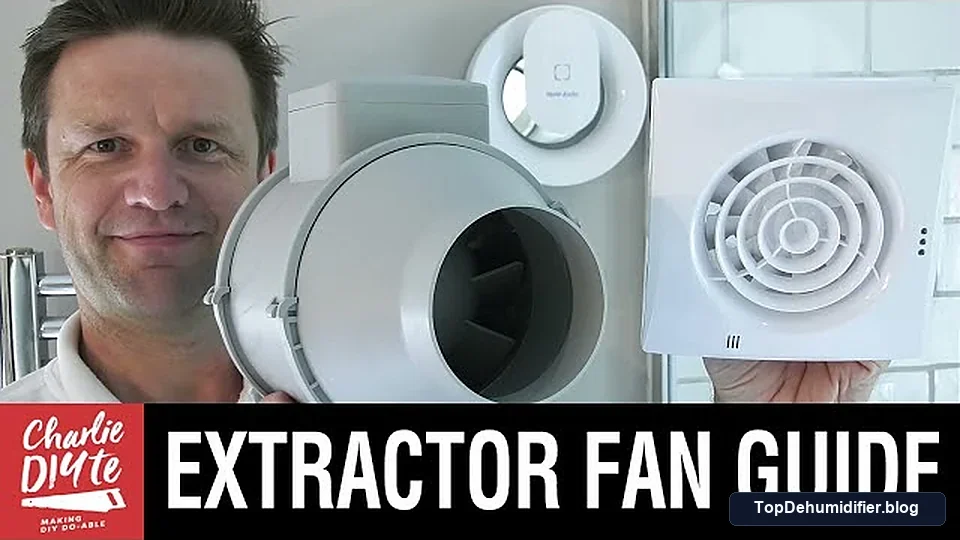
Mechanical ventilation systems like HRV and ERV units exchange stale indoor air. Operating these systems alongside dehumidifiers requires careful coordination to maintain ideal winter humidity targets.
Heat recovery ventilators pull in dry outdoor air and expel moist indoor air. This continuous exchange often reduces indoor humidity naturally without requiring heavy compressor runtimes.
Monitor your combined ventilation and dehumidification setup using a centralized control panel. Avoid running competing systems that waste electrical energy and over-dry your living space.
Adjust ventilation flow rates based on daily occupancy levels and weather changes. Proper balancing protects your indoor air quality while preserving structural thermal integrity.
- HRV and ERV systems help manage indoor moisture via air exchange.
- Dry outdoor winter air naturally lowers interior relative humidity levels.
- Coordinate ventilation schedules with dehumidifier runtimes efficiently.
- Prevent energy waste by avoiding competing mechanical heating systems.
Optimizing Ventilation Exchange Rates
Set ventilation timers to match peak household moisture generation times. Running systems during showers and cooking keeps baseline humidity stable.
Inspect exterior fresh air intake hoods for winter ice and snow blockages. Clear any obstructions immediately to maintain safe airflow throughout your home.
- Sync ventilation runtimes with daily household moisture spikes.
- Check exterior intake vents for snow and ice blockages.
Frequently Asked Questions
What is the absolute best humidity level for a home during winter?
Maintain indoor winter humidity between 30% and 40% to prevent window condensation. This specific range stops mold growth while avoiding dry air discomfort.
Why does my dehumidifier freeze up during cold winter months?
Refrigerant dehumidifiers freeze when ambient temperatures drop below operational limits. Low temperatures cause evaporator coils to ice over, halting all moisture removal.
How can I tell if my winter indoor humidity is too high?
Excessive indoor humidity causes heavy water pooling on window glass. Window condensation indicates that moisture levels exceed safe thermal envelope limits.
Should I use a desiccant or compressor dehumidifier in winter?
Desiccant dehumidifiers perform much better in unheated cold spaces. Silica gel matrices extract moisture efficiently without refrigeration coil freezing issues.
Can low winter humidity damage my home or furnishings?
Extremely dry air causes wooden furniture joints and flooring to crack. Over-drying also leads to static electricity and respiratory irritation in occupants.