Ideal Room Humidity in Winter: Ranges
Maintaining correct indoor moisture during cold months prevents structural damage and respiratory irritation. Precision monitoring ensures your home stays healthy.


The ideal indoor humidity range during winter is 30% to 40% relative humidity. Keeping levels within this specific band prevents window condensation while avoiding static electricity and dry skin.
Ready to compare models? Start with our Best Dehumidifier: Top Picks for Basements & Homes.
Practical Quick-Reference Table
| Scenario / Metric | Recommended Target | Why It Matters |
|---|---|---|
| Standard Living Space | 30% to 40% RH | Prevents condensation and mold growth. |
| Outdoor Temp Below 10°F | 20% to 30% RH | Protects window seals from ice buildup. |
| Basement Storage Area | 35% to 45% RH | Stops rust formation on metal tools. |
| Sleeping Quarters | 35% RH | Reduces dust mite proliferation effectively. |
| Whole-House Humidistat Setting | Sliding scale by outdoor temp | Prevents over-humidifying exterior walls. |
| Maximum Safe Winter Ceiling | 45% RH | Avoids interstitial wall condensation risks. |
Thermodynamic Principles of Cold Weather Moisture

Cold exterior temperatures drastically alter how residential air holds water vapor. When warm indoor air meets freezing exterior walls, its dew point threshold is rapidly crossed, triggering liquid condensation.
Relative humidity drops naturally when outdoor air enters and is heated indoors. To combat indoor vapor spikes, select a unit from our best dehumidifier for room lineup to manage daily latent loads.
Understanding vapor pressure gradients helps technicians explain why moisture moves through drywall and insulation. High indoor humidity pushes water molecules outward, where they freeze inside exterior wall cavities.
Managing this balance requires balancing ventilation rates with active moisture removal strategies. Ignoring these thermodynamic realities invariably leads to structural decay, paint blistering, and harmful microbial proliferation.
- Cold air holds significantly less absolute moisture than warm air.
- Vapor pressure drives indoor humidity toward cold exterior boundaries.
- Everyday tasks add gallons of unseen water vapor daily.
- Unchecked moisture migration damages structural wood and insulation.
The Mechanics of Condensation Physics
Surface temperatures dictate where water vapor will transition from a gas to a liquid. Window glass is usually the coldest thermal bridge in any conditioned residential interior space.
When indoor air touches these chilled glass panes, local cooling drops relative humidity to one hundred percent. Droplets form immediately, signaling that ambient moisture levels are too high.
- Thermal bridges dictate exact condensation location zones.
- Glass surfaces act as early warning moisture indicators.
Calibrating Digital Hygrometers for Accuracy
Precision measurement forms the foundation of any successful winter humidity control protocol. Inexpensive dial hygrometers often drift significantly over time, requiring rigorous calibration before you rely on their readings.
The salt test remains the gold standard for verifying hygrometer accuracy at home. Mix table salt with distilled water inside a sealed plastic bag until it forms a thick, damp slurry.
Place your digital sensor inside the bag alongside the salt solution for at least twenty-four hours. A properly calibrated device should read precisely seventy-five percent relative humidity under stable conditions.
Adjust any calibration offsets manually if your device supports firmware adjustments. If the sensor lacks this feature, note the error offset and apply it mentally to all daily measurements.
- Analog dial hygrometers frequently lose calibration accuracy.
- Salt slurry tests provide reliable home calibration benchmarks.
- Allow full thermal stabilization during testing phases.
- Document device offsets to ensure long-term data integrity.
Placement Guidelines for Reliable Sensors
Sensor placement drastically influences the accuracy of your relative humidity readings. Avoid mounting monitors near exterior doors, active heating vents, or direct sunlight exposure zones.
Position monitoring equipment at breathing height near the center of main living areas. If readings consistently exceed recommended thresholds, consider deploying one of our best small room dehumidifiers to stabilize localized moisture.
- Keep sensors away from direct heating duct airflow.
- Mount devices away from exterior thermal bridging walls.
Video Walkthrough: Ask Andrew: Why indoor humidity matters during the cold season
Establishing Dynamic Winter Target Zones
Winter humidity targets must adjust dynamically based on outdoor meteorological conditions. Setting a single flat percentage all season long will damage your home when outdoor temperatures plummet.
When outside temperatures drop below freezing, indoor humidity must be reduced proportionally. Review options in our best dehumidifier for large room guide to prevent structural condensation during deep winter freezes.
ASHRAE guidelines recommend dropping indoor targets to thirty percent when ambient outdoor temperatures drop below zero. Maintaining this lower threshold protects structural framing members from hidden moisture accumulation.
Occupant health and comfort must also factor into your chosen humidity setpoints. While lower levels protect framing, extremely dry air can irritate nasal passages and increase susceptibility to airborne viruses.
- Adjust targets downward as outdoor temperatures fall.
- Follow local climate charts for precise sliding scales.
- Balance structural preservation with human respiratory comfort needs.
- Monitor exterior windows as your primary feedback mechanism.
Managing High-Moisture Zone Interactions
Specific rooms generate significantly more moisture than general living quarters during winter months. Kitchens and bathrooms require targeted exhaust ventilation to prevent excess vapor migration into bedrooms.
Run exhaust fans for at least twenty minutes after completing showers or boiling water. This simple habit removes latent heat loads before they disperse throughout the entire HVAC network.
- Utilize dedicated exhaust fans in wet zones.
- Keep interior doors closed during high-moisture activities.
Diagnosing Excess Moisture and Structural Risks

Recognizing early warning signs of high indoor humidity prevents catastrophic structural decay. Use our interactive pint capacity calculator to determine the exact extraction rate needed for excessive moisture.
Hidden condensation often collects within attic spaces above poorly sealed ceiling penetrations. Warm interior air leaks upward, depositing moisture onto cold roof sheathing and framing structural members.
Mold colonies can establish themselves on cold exterior walls within forty-eight hours if humidity exceeds fifty percent. These biological growths release spores that degrade indoor air quality significantly.
Use a non-invasive pinless moisture meter to periodically check drywall and baseboards. Identifying elevated moisture in building materials lets you intervene before rot or fungal decay takes root.
- Inspect window frames regularly for trapped condensation pools.
- Check attic insulation for frost or dampness in winter.
- Monitor baseboards and corners for early mold discoloration.
- Deploy pinless meters to scan vulnerable exterior walls.
Investigating Subfloor and Basement Dampness
Basements often accumulate excess winter moisture due to cold concrete mass walls. This subterranean dampness migrates upward through floor assemblies, raising humidity levels throughout the upper floors.
Seal foundation cracks and insulate rim joists to minimize cold bridging effects. Proper perimeter drainage prevents groundwater from evaporating into your conditioned indoor air volume.
- Insulate rim joists to stop condensation formation.
- Seal foundation cracks against inward vapor drive.
Operating Mechanical Extraction and Ventilation Systems
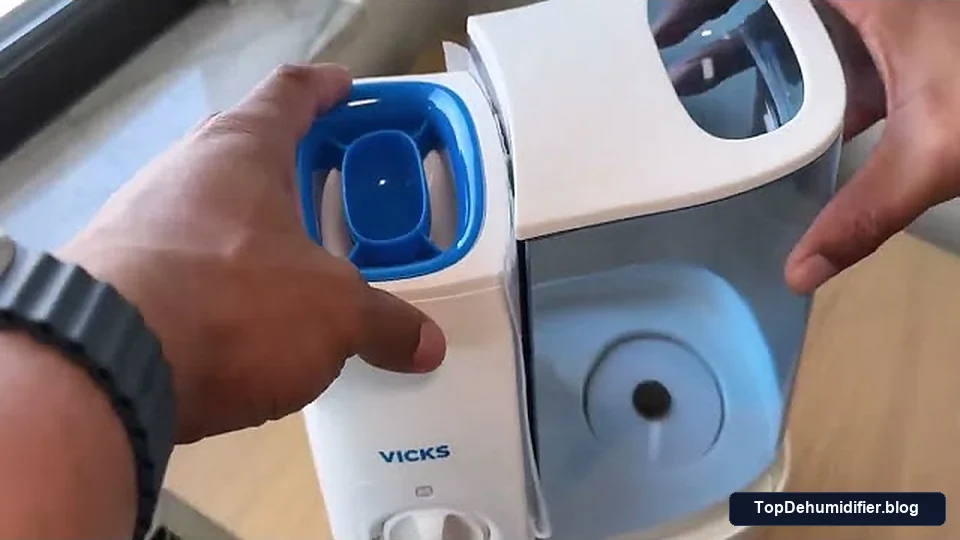
Controlling winter humidity often requires deploying mechanical dehumidification equipment or balanced ventilation. Whole-house ventilation systems exchange stale, humid indoor air with fresh, dry outdoor air efficiently.
Heat recovery ventilators transfer thermal energy from outgoing air to incoming fresh air. This process maintains indoor temperatures while continuously flushing out excess household moisture and volatile compounds.
Portable compressor dehumidifiers struggle in unheated basements when temperatures drop below sixty-five degrees. Low ambient temperatures cause evaporator coils to freeze, rendering standard refrigeration units completely ineffective.
Desiccant dehumidifiers utilize chemical absorption wheels rather than refrigerated coils. These specialized units operate exceptionally well in cold environments like unheated garages, crawlspaces, and detached workshops.
- Use desiccant units in cold unheated spaces.
- Monitor compressor coils for frost buildup during winter.
- Maintain balanced ventilation to control indoor vapor loads.
- Clean intake air filters monthly for optimal airflow.
Optimizing HVAC Blower Run Times
Running your central furnace blower continuously helps distribute air evenly across all rooms. This continuous mixing prevents stagnant pockets of high humidity from forming in remote corners.
Set your thermostat fan switch from auto to on during extreme cold snaps. Uniform air velocity reduces localized window condensation by maintaining consistent surface temperatures throughout the home.
- Switch central blower to continuous operation mode.
- Circulate air to eliminate localized microclimate zones.
Video Walkthrough: Introduction
Routine Maintenance Protocols and Safety Standards
Proper equipment maintenance ensures safe, efficient operation throughout the heating season. Neglected filters restrict airflow, causing evaporator coils to freeze and overworking internal compressor motor components.
Inspect condensate drainage hoses weekly to prevent clogs and accidental water overflow damage. Ensure discharge lines slope downward continuously toward a dedicated floor drain or sump pump basin.
Electrical safety remains paramount when operating high-draw appliances in damp residential areas. Plug dehumidifiers exclusively into grounded outlets protected by a ground fault circuit interrupter.
Clean water collection buckets regularly with mild soap to prevent bacterial and algal slime growth. Stagnant standing water inside collection reservoirs creates a breeding ground for harmful airborne pathogens.
- Wash air filtration screens every thirty days.
- Verify electrical grounding integrity before equipment startup.
- Check condensate hoses for kinks and blockages.
- Sanitize collection reservoirs to prevent microbial growth.
Seasonal Storage and End-of-Season Care
Proper storage extends the operational lifespan of portable winter moisture control equipment. Thoroughly dry internal reservoirs and coils before packing units away for the warm summer months.
Store equipment in a temperature-controlled environment to protect delicate internal sensors and circuit boards. Avoid damp storage locations that could corrode electrical connections during off-seasons.
- Dry internal components completely before long-term storage.
- Protect electronics from extreme temperature and humidity shifts.
Frequently Asked Questions
What happens if indoor winter humidity drops too low?
Extremely dry winter air can cause nasal passage irritation and dry skin while increasing static electricity shocks. It also causes wood flooring and furniture joints to shrink and split apart over time.
Should I run a dehumidifier during freezing winter weather?
You should only run a compressor dehumidifier if the space remains above sixty-five degrees. In colder unheated areas, use a desiccant model or increase ventilation to safely manage moisture levels.
Why do my windows fog up only on the inside during winter?
Interior window fogging occurs when warm, humid indoor air hits cold glass surfaces that drop below the dew point. Lowering your home humidity or adding storm windows will eliminate this issue.
How often must I calibrate my digital hygrometer?
Calibrate your digital hygrometer at least once per year using the salt slurry test method. Sensors can drift over time due to dust accumulation and battery degradation in harsh environments.
Can whole-house humidifiers cause mold problems in winter?
Yes, setting a whole-house humidifier too high during a deep freeze drives moisture into exterior walls. This hidden vapor accumulation fuels structural mold growth behind drywall and insulation layers.