Recommended Room Humidity in Winter: Technical Guide
Maintaining proper indoor moisture levels during cold weather prevents structural condensation and protects occupant respiratory health.

Keep indoor relative humidity between 30% and 40% during winter to prevent window condensation and mold growth.
Ready to compare models? Start with our Best Dehumidifier: Top Picks for Basements & Homes.
Practical Quick-Reference Table
| Scenario / Metric | Recommended Target | Why It Matters |
|---|---|---|
| Outside Temp Above 20°F | 35% to 40% RH | Balances thermal comfort with moisture control. |
| Outside Temp 10°F to 20°F | 30% to 35% RH | Prevents severe frost buildup on windowpanes. |
| Outside Temp Below 10°F | 25% to 30% RH | Protects hidden wall cavities from freezing condensation. |
| Basement Spaces | 30% to 35% RH | Stops dampness from migrating into living areas. |
| Sleeping Quarters | 35% RH | Reduces dust mite populations without drying airways. |
| Hygrometer Calibration | ±2% Accuracy | Ensures precise monitoring of fluctuating indoor air. |
Understanding Winter Humidity Dynamics and Indoor Air Quality
Cold outdoor air holds significantly less water vapor than warm interior air. When outdoor temperatures drop, absolute humidity decreases dramatically across most regions.
Heating systems dry out indoor environments rapidly. This artificial warmth lowers relative humidity, which creates unique challenges for maintaining healthy living spaces.
Balancing moisture levels requires understanding how heat transfer affects air capacity. Dry air can irritate mucous membranes, while excess moisture causes condensation.
Technical equipment editors recommend continuous monitoring during freezing months. Selecting options from our best small room dehumidifiers roundup helps stabilize indoor climates effectively and prevents cold season condensation.
During cold months, outdoor air enters buildings and holds very little moisture. When heated, its relative humidity drops significantly, often falling below thirty percent, which triggers dry skin and respiratory irritation inside homes.
Maintaining proper moisture levels requires balancing outdoor ventilation rates with mechanical humidification or dehumidification. ASHRAE standards recommend keeping indoor dew point temperatures below sixty degrees Fahrenheit to prevent structural condensation damage.
Air exchange rates increase infiltration of frigid exterior air, displacing conditioned indoor volume. Homeowners must seal envelope leaks using weatherstripping and caulk to stabilize indoor vapor pressure gradients effectively.
Poor ventilation traps indoor pollutants while overly dry air suspends microscopic particulates longer. Combining calibrated humidity control with MERV thirteen filters ensures optimal indoor air quality throughout the entire heating season.
- Monitor daily temperature differentials between interior and exterior spaces.
- Seal exterior air leaks to maintain consistent indoor pressure gradients.
- Use certified digital hygrometers for reliable relative humidity tracking.
- Account for internal moisture sources like cooking and heavy showering.
The Physics of Vapor Pressure Deficits
Vapor pressure deficits drive moisture movement through building materials. Warm indoor air pushes water vapor toward cold exterior walls constantly.
Understanding this pressure differential helps technicians design better vapor barrier strategies. Proper management stops moisture from accumulating inside wall insulation.
- Calculate dew point thresholds using indoor temperature data.
- Inspect vapor retarder placement in exterior wall assemblies.
Scientific Basis for Recommended Winter Indoor Humidity Ranges
ASHRAE standards suggest maintaining indoor relative humidity between 30% and 50% year-round. However, strict winter conditions demand lower upper limits.
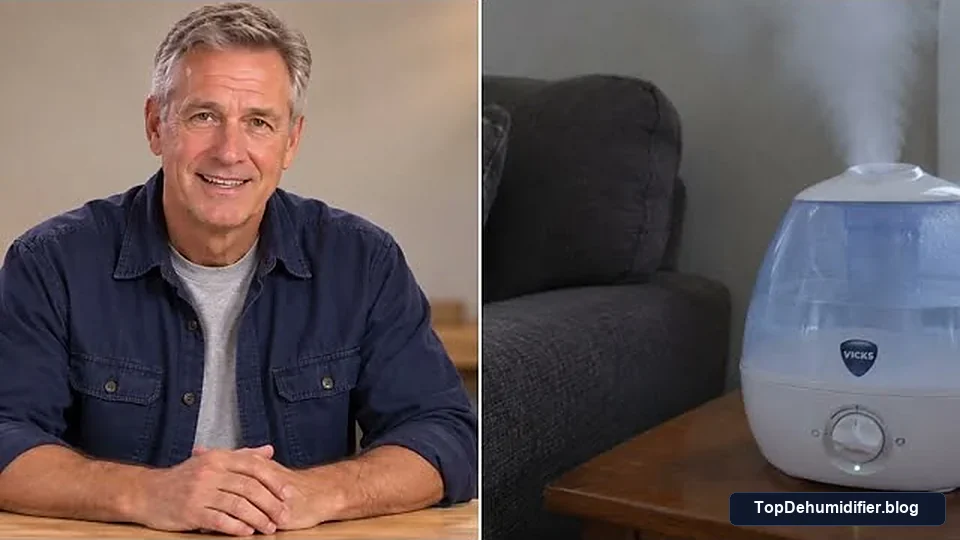
Dropping indoor relative humidity prevents moisture from condensing on cold glass surfaces. This specific threshold protects window frames from rot and mold.
Health organizations note that maintaining 35% relative humidity minimizes airborne viral transmission rates. Extremely dry air allows certain pathogens to persist longer.
Finding the optimal balance preserves both structural integrity and human comfort. Homeowners must adjust target setpoints based on local outdoor weather.
Scientific studies confirm that human mucous membranes function best when indoor relative humidity stays between thirty and fifty percent. This specific range minimizes pathogen survival rates while preventing excessive dryness in nasal passages.
Viruses such as influenza remain viable longer in extremely dry or humid environments. Keeping indoor spaces within the recommended winter band significantly reduces viral transmission risks among occupants sharing closed residential areas.
Dust mites and mold spores thrive outside this narrow optimal window. Lower humidity starves dust mites of required ambient moisture, whereas higher levels trigger fungal germination across cold interior surfaces.
Material conservation also dictates these precise boundaries because wood furnishings warp or crack below twenty percent humidity. Conversely, structural fasteners rust rapidly when ambient vapor pressures exceed safe threshold limits.
- Follow regional climate guidelines rather than static universal targets.
- Lower humidity setpoints when outdoor temperatures plunge below freezing.
- Avoid letting relative humidity drop below thirty percent permanently.
- Prioritize occupant comfort without sacrificing building material safety.
ASHRAE and EPA Guidelines Explained
The Environmental Protection Agency recommends keeping indoor humidity below fifty percent to discourage mold. Winter requires even stricter downward adjustments.
Engineering standards factor in outdoor weather severity to calculate safe indoor boundaries. Following these metrics prevents costly structural damage over time.
- Reference ASHRAE Standard 55 for thermal environmental conditions.
- Apply climate zone adjustments when setting automated controls.
Video Walkthrough: Ask Andrew: Why indoor humidity matters during the cold season
Condensation Physics on Windows and Exterior Walls
Surface condensation occurs when indoor air contacts materials colder than the dew point. Windowpanes are usually the first indicators of excessive moisture.
Double and triple-pane glass units resist thermal transfer better than older single panes. Modern glazing raises the interior glass surface temperature significantly.
When warm, humid air hits a cold window, water vapor turns into liquid droplets. Continuous pooling ruins wooden window sills and drywall finishes.
Controlling indoor humidity eliminates the driving force behind window condensation. Lowering absolute moisture levels shifts the dew point safely downward.
Condensation occurs when warm, moisture-laden interior air contacts cold glass or framing materials. The temperature at which water vapor turns liquid is called the dew point, dropping rapidly near uninsulated perimeters.
Double and triple-pane windows improve interior glass temperatures, raising resistance against frost formation. However, poor edge-seal spacers create thermal bridges where condensation buildup consistently originates during sub-freezing nights.
Exterior walls lack active airflow, allowing stagnant boundary layers of cold air to accumulate. Installing continuous exterior insulation prevents the interior drywall surface temperature from reaching the critical dew point.
Using interior thermal curtains reduces window glass temperatures further by blocking radiant heat transfer. Homeowners must crack windows briefly or run exhaust fans to purge accumulated latent heat load.
- Inspect window seals for thermal bridging and air infiltration.
- Wipe down wet sills daily to prevent localized mold colonies.
- Upgrade to high-performance insulated glass units for better thermal resistance.
- Run localized exhaust fans during high-moisture household activities.
Calculating Dew Point Thresholds Indoors
The dew point is the temperature where air becomes completely saturated with water. Knowing this value helps predict when and where condensation forms.
Use psychrometric charts to correlate indoor temperature and relative humidity values. This technical approach removes guesswork from winter climate control.
- Measure surface temperatures using an infrared thermometer.
- Compare surface readings against calculated indoor dew points.
Health Implications of Excess Indoor Moisture in Colder Months
Excess winter moisture triggers indoor allergen proliferation, particularly dust mites and mold spores. These biological contaminants degrade indoor air quality rapidly.
Inhaling mold spores can exacerbate asthma and trigger severe allergic reactions in sensitive individuals. Maintaining low humidity suppresses fungal growth completely.
Conversely, air that is too dry causes respiratory tract irritation and skin cracking. Striking the right balance protects mucous membranes from infection.
Indoor air quality specialists recommend deploying precise monitoring tools in bedrooms alongside our pint capacity calculator tool because healthy air parameters directly improve sleep quality and immune response.
Excess winter moisture promotes rapid colonization of allergenic molds behind wallpaper and baseboards. Inhaling fungal spores releases dangerous mycotoxins that exacerbate chronic asthma and trigger severe allergic reactions in sensitive individuals.
Dust mite populations proliferate exponentially when indoor relative humidity surpasses fifty-five percent. These microscopic arachnids produce potent biological allergens that remain suspended in stagnant heating system ducts.
Damp residential environments attract silverfish, cockroaches, and other destructive pests seeking moisture gradients. Eliminating localized damp spots disrupts breeding cycles and protects the structural integrity of interior building materials.
Respiratory infections rise when stagnant indoor air mixes with high particulate concentrations and trapped humidity. Maintaining strict humidity parameters safeguards occupant health by minimizing airborne microbial pathogen loads.
- Keep bedroom humidity near thirty-five percent for optimal respiratory health.
- Wash bedding weekly in hot water to control dust mite populations.
- Use HEPA filtration systems alongside humidity control equipment.
- Address plumbing leaks immediately to prevent hidden mold growth.
Respiratory Pathogens and Humidity Levels
Scientific studies show influenza virus survival drops at moderate humidity levels. Keeping air within recommended ranges reduces seasonal illness transmission.
Dry winter air allows viral aerosols to remain suspended longer indoors. Proper moisture management creates an unfavorable environment for airborne pathogens.
- Maintain baseline humidity to support natural nasal defenses.
- Ensure proper ventilation in shared living and working spaces.
Measuring Indoor Humidity Accurately with Hygrometers
Accurate measurement is the foundation of effective winter humidity management. Digital hygrometers provide real-time data for adjusting environmental controls.
Calibration ensures your sensors provide reliable readings over extended periods. Salt test calibration methods verify hygrometer accuracy easily at home.
Place monitoring devices away from direct heat sources and drafty windows. Central room locations yield the most representative ambient humidity data, guiding choices from our best dehumidifier for room selection.
Check battery levels regularly to prevent sensor drift or data logging failures. Reliable tools empower homeowners to maintain strict climate control.
Accurate humidity measurement requires deploying calibrated digital hygrometers throughout primary living spaces. Cheap analog dial meters often suffer from calibration drift and require frequent salt-test verifications to ensure reliability.
Place hygrometers away from direct heat sources, exterior doors, and humid kitchen zones. Positioning sensors at mid-height on interior walls guarantees representative readings of the true room relative humidity.
Capacitive sensors inside modern meters measure electrical capacitance changes across a thin polymer film. This technology provides precise readings within a plus-or-minus three percent accuracy margin during winter.
Recording daily peak and trough measurements helps diagnose chronic moisture spikes caused by showering or cooking. Logging these metrics over time establishes baseline performance for your environmental control systems.
- Perform salt slurry calibration tests every six months.
- Mount sensors at mid-wall height for accurate room averages.
- Avoid placing hygrometers directly above radiators or heating vents.
- Replace aging sensors showing erratic or frozen measurement values.
The Salt Slurry Calibration Method
Mix table salt with distilled water until it forms a wet, slushy consistency. Seal the mixture and your hygrometer inside an airtight container.
After twelve hours, the sealed environment should read exactly seventy-five percent humidity. Adjust your device reading to match this standard benchmark.
- Use pure sodium chloride and distilled water for best results.
- Keep the test container at a stable room temperature.
Video Walkthrough: What's the Best Humidity Level for Your Home?
Balancing Dehumidification and Ventilation During Heating Season

Modern homes are tightly sealed for energy efficiency, trapping indoor moisture effectively. Mechanical ventilation is necessary to exchange stale air with fresh air.
Heat recovery ventilators transfer thermal energy while exhausting moist indoor air outdoors. These systems maintain energy efficiency while controlling humidity levels.
Dehumidifiers remove excess moisture directly from interior spaces during damp weather. Selecting the right equipment capacity prevents short-cycling and high energy bills.
Combining targeted ventilation with mechanical dehumidification ensures optimal indoor air quality. Homeowners must evaluate total household moisture loads carefully.
Modern airtight homes trap indoor humidity from human respiration, cooking, and unvented clothes dryers. Relying solely on continuous mechanical ventilation exhausts expensive heat, driving up your monthly energy consumption costs.
Heat recovery ventilators exchange stale indoor air with fresh exterior air while transferring thermal energy. This process prevents excessive humidity accumulation without sacrificing indoor thermal comfort or heating efficiency ratings.
Basements and crawlspaces often require dedicated low-temperature dehumidifiers equipped with automatic defrost controls. Selecting units rated for cold environments prevents evaporator coils from freezing solid during severe winter conditions.
Program smart humidistats to coordinate exhaust fan run times with active dehumidifier cycles, referencing choices in our best dehumidifier for large room guide to maintain target humidity bands safely.
- Install energy recovery ventilators to balance fresh air intake.
- Size dehumidifiers correctly based on square footage and moisture load.
- Clean mechanical ventilation filters quarterly to maintain airflow.
- Seal combustion appliance flues to prevent backdrafting hazards.
Energy Recovery Ventilator Integration
ERVs transfer both heat and water vapor between incoming and outgoing air streams. This technology prevents indoor air from becoming excessively dry in winter.
Properly balanced ventilation systems reduce the workload on primary heating equipment. Integrating ERVs creates a stable, comfortable indoor climate.
- Check core components for dust and debris buildup annually.
- Verify airflow balance across all supply and exhaust ports.
Preventing Structural Mold Growth in Basements and Crawlspaces

Basements and crawlspaces are vulnerable to winter condensation due to cold foundation walls. Moisture migration from soil worsens indoor humidity problems significantly.
Insulating foundation walls prevents warm interior air from condensing on cold concrete. Continuous vapor barriers stop ground moisture from entering living areas.
Dehumidifiers operating in cold basements require low-temperature operational capabilities. Standard compressor units freeze up when ambient temperatures drop below sixty degrees.
Refrigerant dehumidifiers with automatic defrost features function reliably in cooler environments. Maintaining basement humidity below thirty-five percent stops mold colonization.
Subterranean foundation walls remain cold year-round, making basements highly susceptible to seasonal condensation. Installing closed-cell spray foam insulation creates an effective vapor barrier against warm ambient moisture.
Crawlspaces require heavy polyethylene ground liners sealed tightly along all foundation perimeter walls. This crucial barrier stops moisture vapor from migrating upward into floor joists and subflooring, preventing wood decay fungi.
Perimeter French drains and functioning sump pumps remove liquid water before hydrostatic pressure forces it inward. Keeping subterranean spaces dry eliminates the primary water source required for rapid mold proliferation.
Continuous mechanical extraction using high-capacity dehumidifiers keeps ambient relative humidity below fifty percent. Monitoring sub-grade temperature differentials ensures structural timbers remain well below critical fiber saturation points.
- Install heavy-duty polyethylene vapor barriers over bare crawlspace earth.
- Insulate rim joists with closed-cell spray foam insulation.
- Choose low-temperature dehumidifiers equipped with hot-gas defrost cycles.
- Direct condensate drainage lines away from foundation footings.
Crawlspace Encapsulation Technical Standards
Encapsulation isolates the crawlspace environment from external ground moisture permanently. Sealed seams and perimeter drainage systems keep subfloor spaces dry.
Combine encapsulation with a dedicated dehumidifier to maintain low relative humidity. This proactive measure protects floor joists from structural rot.
- Seal all foundation vents tightly before encapsulation.
- Install continuous sump pump systems for unexpected water intrusion.
Maintenance Protocols for Dehumidification Systems in Winter
Dehumidification equipment requires specific winter maintenance to ensure peak operating performance. Dust accumulation on evaporator coils reduces moisture extraction efficiency.
Clean air filters monthly to maintain unobstructed airflow through the appliance chassis. Restricted airflow causes frost accumulation and potential compressor burnout.
Inspect internal condensate pumps and drainage hoses for clogs or freezing risks. Frozen discharge lines can cause water overflow and severe property damage.
Store portable units in climate-controlled areas if seasonal usage is discontinued. Following these maintenance guidelines extends equipment lifespan considerably.
Cold winter operation places heavy strain on residential dehumidifier compressors and refrigeration coils. Inspect air filters bi-weekly and wash them with mild detergent to maintain unobstructed airflow volumetric rates.
Low ambient temperatures cause frost accumulation on refrigeration coils, shutting down inefficient units. Ensure your dehumidifier features an active hot-gas defrost system or relocate the appliance to a heated basement area.
Gravity drain hoses can freeze if routed through uninsulated crawlspaces or exterior walls. Insulate condensate lines with closed-cell foam sleeves and verify continuous downward slope to prevent catastrophic water overflows.
Clean condensate collection buckets and internal float switches monthly to prevent slime blockages. Performing routine off-season storage preparations extends compressor lifespan and guarantees reliable performance when winter moisture peaks.
- Vacuum dust from condenser and evaporator coils every thirty days.
- Flush condensate drain lines with a vinegar solution seasonally.
- Test automatic shutoff float switches to prevent reservoir overflows.
- Inspect power cords for cracking or insulation wear before operation.
Troubleshooting Low-Temperature Coil Freezing
Low ambient winter temperatures cause frost to form on refrigeration coils. Modern units use automatic defrost cycles to melt accumulated ice safely.
If your unit lacks low-temp operation features, relocate it to a warmer space. Running equipment outside its rated temperature range damages internal components.
- Verify minimum operating temperature specifications in your manual.
- Allow frosted coils to thaw completely before restarting.
Frequently Asked Questions
What is the ideal indoor humidity level during winter?
Maintain indoor relative humidity between 30% and 40% during winter months. This range prevents window condensation while avoiding dry air.
Why does condensation form on my windows in winter?
Warm interior air contacts cold glass surfaces that fall below the dew point. Lowering indoor humidity eliminates this moisture accumulation.
Do I need a dehumidifier in my house during winter?
Homes with tight construction or high moisture generation often require dehumidification. Basements particularly benefit from continuous mechanical moisture control.
How can I accurately measure my home humidity levels?
Use a digital hygrometer placed at central room locations away from drafts. Calibrate your device regularly using standard salt test methods.
What happens if indoor humidity drops below thirty percent?
Extremely dry air irritates respiratory airways and dries out mucous membranes. It also increases static electricity and shrinks wooden furniture joints.