Good Home Humidity in Winter: Ideal Levels
Learn how cold weather affects indoor moisture levels. Master effective control techniques for a healthy living space.


Maintain indoor relative humidity between 30% and 40% during winter months to prevent condensation while avoiding dry air irritation.
Ready to compare models? Start with our Best Dehumidifier: Top Picks for Basements & Homes.
Practical Quick-Reference Table
| Scenario / Metric | Recommended Target | Why It Matters |
|---|---|---|
| Outdoor Temp Below 20F | 30% Maximum RH | Prevents severe window frost and frame rot. |
| Living Room Air | 35% to 40% RH | Balances respiratory comfort with structural safety. |
| Basement Foundation | 30% to 35% RH | Stops cold-surface mold growth effectively. |
| Crawl Space Barrier | Under 30% RH | Protects floor joists from subterranean moisture. |
| Compressor Cut-off | Below 65F Ambient | Prevents internal coil icing and motor strain. |
| Hygrometer Accuracy | Plus or Minus 2% | Ensures reliable baseline readings for control. |
Understanding Winter Indoor Humidity Physics
Cold outdoor air holds very little moisture compared to warm summer air. When this dry air enters your home and heats up, its relative humidity drops significantly, creating specific indoor climate challenges.
Conversely, airtight modern homes trap daily moisture from showers and cooking. Understanding seasonal moisture control is essential, which is why we explore this balance in our dehumidifier vs humidifier for winter analysis.
Measuring humidity accurately requires placing digital hygrometers away from direct heat sources and exterior doors. Regular monitoring helps you detect micro-climates where moisture accumulates before structural damage occurs.
Understanding dew point physics allows homeowners to predict when indoor glass surfaces will fog. Once surface temperatures drop below the dew point, water vapor immediately transitions into liquid condensation.
Cold winter air holds dramatically less moisture than summer air, which causes indoor relative humidity to plummet when heating systems activate, dropping below thirty percent in many tightly sealed modern American residences.
As warm interior air migrates toward cold exterior walls, the dew point is reached, causing vapor to condense into liquid water on single-pane window glass and uninsulated cold-water metal supply pipes.
Relative humidity measures the air moisture capacity relative to its current temperature, meaning identical moisture volumes will yield drastically different readings between a seventy degree living room and a chilly garage.
Maintaining adequate thermal envelope pressure prevents exfiltration of moisture-laden indoor air, protecting structural framing timbers from destructive interstitial condensation during extended periods of sub-freezing regional winter weather conditions.
- Keep digital hygrometers at interior core locations for accurate readings.
- Monitor window glass daily for early signs of excessive condensation buildup.
- Account for outdoor temperature drops when adjusting indoor humidity setpoints.
- Recognize that tight vapor barriers trap indoor moisture generated by occupants.
The Vapor Pressure Differential
Indoor vapor pressure pushes moisture outward through walls during winter. If building materials lack adequate vapor retarders, this moisture freezes inside wall cavities and damages insulation.
Controlling indoor humidity reduces this destructive vapor pressure gradient. Lowering interior moisture levels protects structural framing from rot caused by trapped seasonal condensation cycles.
- Warm indoor air exerts higher vapor pressure than cold outdoor air.
- Unchecked vapor migration causes structural wood rot inside exterior walls.
Sizing Dehumidifiers and Ventilation Balance
Selecting the correct extraction capacity prevents unnecessary energy consumption during cold months. Oversized units cycle rapidly without drying effectively, while undersized units run constantly without reaching targets.
Calculate your required pint capacity by assessing total square footage and overall baseline dampness. Cold basements and crawl spaces demand higher extraction rates than upper living areas.
Balancing mechanical dehumidification with balanced ventilation keeps indoor air fresh. Exhaust fans in kitchens and bathrooms remove moisture at the source before it diffuses through the house.
Running whole-house systems requires integrating humidistats with your primary heating infrastructure. This coordination prevents over-drying the air when heating furnaces operate continuously throughout freezing days.
Selecting the correct extraction capacity requires evaluating your home total square footage alongside the severity of moisture generation from daily domestic activities like cooking, laundering, and long hot showers.
A standard fifty pint portable dehumidifier adequately manages damp basements, but units featured in our best whole home dehumidifier guide provide superior equilibrium across multi-level residential structures.
Mechanical ventilation via Energy Recovery Ventilators helps introduce fresh outdoor air while recovering thermal energy, balancing indoor carbon dioxide levels without introducing excessive unregulated freezing humidity into your living spaces.
Always verify that your chosen extraction equipment operates efficiently at lower ambient temperatures, because standard refrigeration units frequently freeze up when operated below sixty-five degrees Fahrenheit.
- Match extraction pint capacity directly to total square footage volumes.
- Use dedicated bathroom exhaust fans to eliminate acute shower moisture.
- Integrate dehumidifier controls with existing heating system thermostats.
- Avoid running heavy extraction units in spaces below freezing temperatures.
Calculating Extraction Requirements
Determine your baseline moisture load by evaluating occupancy rates and regional climate zones. High-moisture households require robust compressor systems rated for continuous cold-weather operation.
Consult manufacturer sizing charts to find units matching your exact spatial volume. Proper sizing ensures optimal energy efficiency and consistent humidity suppression across all rooms.
- Factor total occupant count into your daily moisture generation estimates.
- Consult official sizing charts for accurate compressor capacity selection.
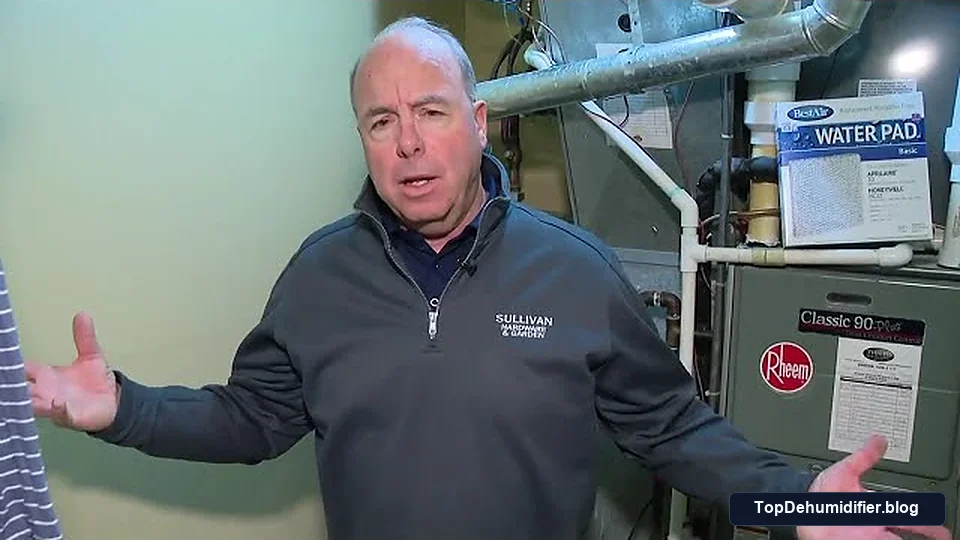
Video Walkthrough: Keeping Your Home From Drying Out This Winter
Step-by-Step Calibration and Placement Setup
Proper equipment placement maximizes air circulation and moisture extraction efficiency. Position units centrally in damp zones, maintaining at least twelve inches of clearance from surrounding walls.
Calibrate your digital hygrometer using a salt test before relying on its readings. Place the sensor inside a sealed bag with a saltwater slurry for six hours to verify accuracy.
Adjust your humidistat gradually based on outdoor temperature drops. For heavy sweat spaces, consult our best dehumidifier for home gym selection to maintain safe humidity levels.
Ensure continuous drainage setups rely on gravity rather than weak pumps in cold areas. Frozen drain lines can cause catastrophic water overflow if routed through unheated garage spaces.
Position your hygrometer approximately five feet off the floor on an interior partition wall, safely away from direct heating duct airflow, exterior doors, and direct sunlight that skews accuracy.
Calibrate analog hygrometers using the established salt test method inside a sealed plastic bag for at least twelve hours to ensure your baseline readings match reliable laboratory measurement standards.
Maintain at least twelve inches of unobstructed clearance around the intake grilles and exhaust ports of your dehumidifier to maximize airflow efficiency and prevent premature compressor burnout during heavy operation.
Connect a continuous gravity drain hose with a downward slope of at least one-quarter inch per foot to eliminate bucket-emptying chores while mitigating overflow risks in unmonitored winter utility spaces.
- Maintain twelve inches of open clearance around intake and exhaust grills.
- Perform a salt test calibration on all digital hygrometers annually.
- Lower humidistat targets incrementally as outdoor weather grows colder.
- Route continuous drain hoses downward to prevent freezing blockages.
Optimizing Airflow Paths
Unobstructed airflow ensures humid air reaches internal cooling coils efficiently. Position units where natural convective currents draw damp air from adjacent damp rooms.
Avoid placing extraction units near heating vents or cold exterior corners. These locations skew internal humidistat readings and reduce overall mechanical operating efficiency.
- Leverage natural convective air currents to feed damp air inward.
- Keep dehumidifier intakes away from direct furnace heat registers.
Managing Common Cold-Weather Condensation Issues

Window condensation serves as the primary visual indicator of excessive indoor humidity. When warm, moist air contacts cold glass, water droplets form and run down onto wooden sills.
Addressing window moisture involves combining surface wiping with humidity reduction. Lowering indoor relative humidity below the local dew point stops condensation from forming overnight.
Inspecting hidden cold spots behind large furniture helps prevent mold outbreaks. External walls behind heavy wardrobes often lack proper air circulation, trapping moisture during winter.
Use ceiling fans on low reverse settings to push warm air downward. This destratifies room air, warming exterior walls and raising surface temperatures above the critical dew point.
Persistent window condensation indicates excessive indoor humidity or poor thermal performance, signaling the urgent need to adjust humidistat settings downward before black mold colonies establish along silicone sealants.
Install clear insulating plastic film kits over older windows to raise interior glass surface temperatures, effectively shifting the local dew point and reducing nuisance frost accumulation during bitter cold snaps.
Target localized moisture hot spots in bathrooms and kitchens by upgrading exhaust fans to handle at least one hundred CFM, running them for twenty minutes after completing moisture-producing domestic tasks.
Inspect exterior dryer vent flaps regularly to ensure lint buildup or freezing ice dams do not restrict airflow, forcing damp laundry exhaust back into crawlspaces or building utility envelopes.
- Wipe accumulated window moisture daily to protect wooden frames.
- Pull large furniture pieces away from exterior walls to improve airflow.
- Run ceiling fans on low reverse speeds to destratify room air.
- Monitor corners and closets where stagnant cold air promotes mold.
Addressing Basement and Crawl Space Frost
Uninsulated basement walls create freezing thermal bridges during winter snaps. These cold surfaces attract moisture vapor, which condenses and freezes into frost against concrete.
Install rigid foam insulation boards to raise interior concrete surface temperatures. This structural modification eliminates cold spots and stops winter condensation problems permanently.
- Insulate concrete basement walls to eliminate cold thermal bridges.
- Install vapor barriers over exposed earth in crawl space zones.
Routine Maintenance and Seasonal Safety Protocols
Cold weather causes dehumidifier coils to chill faster during extraction cycles. Before choosing a unit, use our pint capacity calculator to determine the proper extraction size for your space.
Clean air intake filters every two weeks to maintain optimal airflow volumes. Dust-clogged filters force the compressor to work harder, increasing energy use and reducing drying capacity.
Empty manual collection buckets regularly to prevent stagnant water freezing inside basements. If utilizing continuous drainage, inspect hose connections weekly for leaks or mineral blockages.
Store portable units in climate-controlled environments when seasonal humidity drops. Storing equipment in freezing unheated sheds ruins internal seals and cracks plastic water collection reservoirs.
Clean your dehumidifier washable mesh air filters every two weeks using warm water and mild dish detergent to preserve optimal static pressure and prevent dust accumulation on refrigeration coils.
Inspect internal condensate collection buckets and drain lines monthly for slime growth or mineral deposits, sanitizing surfaces with a dilute bleach solution to inhibit bacterial proliferation in heated indoor spaces.
Verify that electrical cords remain unfrayed and plug them directly into a grounded outlet, avoiding extension cords that can easily overheat under the heavy electrical draw of compressor-driven appliances.
Before storing portable units for warm seasons, run the fan cycle continuously for several hours to thoroughly dry internal components, preventing mold spores from cultivating inside sealed refrigeration chambers.
- Inspect evaporator coils regularly for frost buildup during cold weather.
- Wash mesh air intake filters bi-weekly with warm soapy water.
- Empty and sanitize collection buckets to prevent bacterial growth.
- Store portable units indoors during prolonged dry winter periods.
Winter Storage and Frost Protection
Preparing units for off-season storage requires thorough internal drying. Run the fan mode for several hours to evaporate lingering moisture inside the drainage channels.
Store drainage hoses completely drained and coiled to prevent cracking. Protecting internal components from freezing temperatures ensures reliable performance when spring moisture arrives.
- Run internal fan modes to dry internal moisture before storage.
- Keep storage areas above freezing temperatures to protect plastics.
Frequently Asked Questions
Why does indoor humidity drop so much during winter months?
Cold outdoor air holds very little absolute moisture. When that cold air enters your home and gets heated, its relative humidity plummets, creating dry indoor conditions.
What is the ideal indoor humidity target for cold weather?
Aim to keep indoor relative humidity between 30% and 40% during winter. This range prevents condensation while avoiding static electricity and respiratory discomfort.
Can standard dehumidifiers run safely in unheated basements?
Most standard compressor dehumidifiers struggle below 65 degrees Fahrenheit. Running them in freezing spaces risks coil icing and permanent motor damage.
How can I stop my double-pane windows from fogging up?
Lower your indoor humidity setpoint by five percent increments until window fog disappears. Improving air circulation with ceiling fans also helps eliminate condensation.
How often should I clean my winter dehumidifier air filters?
Wash your mesh air filters every two weeks during heavy operating seasons. Clean filters maintain proper airflow and prevent excessive compressor strain.