Comfortable Home Humidity in Winter: Target Ranges
Cold weather creates unique indoor moisture challenges that require precise technical management. Proper winter humidity control protects structural integrity and respiratory health.


Maintain indoor relative humidity between thirty and fifty percent during winter months. This specific threshold prevents condensation while avoiding static electricity and dry skin issues.
Ready to compare models? Start with our Best Dehumidifier: Top Picks for Basements & Homes.
Practical Quick-Reference Table
| Scenario / Metric | Recommended Target | Why It Matters |
|---|---|---|
| Living Area Humidity | 30% - 50% | Prevents condensation while avoiding static and dry skin. |
| Basement Humidity | 35% - 45% | Stops mold growth and structural dampness in cool zones. |
| Hygrometer Accuracy | Plus or Minus 3% | Ensures reliable monitoring across changing weather conditions. |
| Minimum Temp Limit | 65° Fahrenheit | Prevents evaporator coil icing on standard compressors. |
| Air Exchange Rate | 0.35 ACH Minimum | Purges indoor pollutants and controls accumulated moisture. |
| Dew Point Threshold | Below Wall Temp | Stops surface condensation and hidden mold development. |
Understanding Winter Psychrometrics and Moisture Dynamics

Winter psychrometrics dictate how moisture behaves inside residential thermal envelopes. Cold outdoor air holds very little absolute moisture, but indoor heating alters relative humidity significantly across living spaces.
When warm indoor air contacts cold exterior walls, localized relative humidity spikes instantly. Reviewing dehumidifier vs humidifier for winter helps clarify why hidden condensation causes structural degradation over time.
Maintaining balanced humidity requires understanding the relationship between indoor temperature and vapor pressure differentials. Modern tightly sealed homes trap moisture generated by daily human activities like cooking, bathing, and breathing.
Homeowners must balance energy conservation efforts with adequate moisture management during freezing months. Ignoring these fundamental thermodynamic principles risks severe damage to building materials and indoor air quality standards.
- Cold outdoor air introduces low absolute moisture into homes.
- Indoor heating drastically drops internal relative humidity levels.
- Thermal bridges create localized saturation points on cold walls.
- Daily household activities continuously release significant water vapor.
Vapor Pressure Mechanics
Vapor pressure drives moisture movement through porous building materials from high to low concentrations. In winter, this pressure pushes indoor humidity outward toward the freezing exterior sheathing.
Continuous vapor drive can saturate insulation layers, severely diminishing their thermal resistance ratings. Installing proper vapor retarders on the warm side of walls stops this destructive migration cycle effectively.
- Vapor pressure forces moisture toward cold exterior surfaces.
- Unchecked migration ruins insulation performance and framing integrity.
Calculating Proper Dehumidification Loads for Cold Climates
Determining the correct moisture removal capacity depends on total square footage and climate severity. Undersized units run continuously without achieving targets, while oversized systems cycle too rapidly to control dampness.
Using a pint capacity calculator helps determine daily removal requirements based on ceiling heights, occupant counts, and baseline moisture generation across different living spaces.
Cold weather operation often reduces traditional compressor-based dehumidification efficiency due to coil icing risks. Selecting equipment rated for low-ambient temperatures ensures reliable performance when winter humidity rises unexpectedly.
Total home volume dictates required CFM airflow rates for uniform moisture distribution throughout multi-room layouts. Choosing the best whole home dehumidifier maximizes mechanical efficiency and reduces overall run times.
- Match pint capacity directly to total conditioned volume.
- Account for heavy moisture sources like unvented crawlspaces.
- Low-ambient units prevent evaporator coil freezing issues.
- Position equipment centrally to optimize whole-house air mixing.
Sizing Formulas for Cold Climates
Standard sizing charts often underestimate winter moisture loads driven by unvented combustion appliances. Multiply baseline square footage by a severity factor to account for regional temperature extremes and tightness.
Verify that selected equipment operates efficiently at temperatures below sixty degrees Fahrenheit. Many standard residential units lose significant water removal capability as ambient operating temperatures drop steadily.
- Factor in combustion appliance contributions to indoor humidity.
- Adjust calculations for high-performance tightly sealed insulation envelopes.
Video Walkthrough: Ask Andrew: Why indoor humidity matters during the cold season
Calibrating Hygrometers and Monitoring Ambient Conditions
Accurate humidity measurement requires properly calibrated hygrometers placed throughout primary living zones. Inexpensive sensors frequently drift over time, providing misleading readings that compromise structural health and personal comfort.
Perform the salt test method to verify hygrometer accuracy before relying on displayed metrics. Place the sensor inside a sealed bag with a saturated salt solution for six hours to check calibration.
Position monitoring devices away from direct heat sources, exterior doors, and windows to ensure representative data. True ambient readings reflect the actual living space rather than microclimates near supply registers.
Track daily humidity fluctuations alongside outdoor temperature drops to anticipate condensation risks proactively. Digital data loggers help identify problematic humidity spikes occurring during overnight hours or heavy occupancy periods.
- Calibrate analog and digital hygrometers using standard salt tests.
- Keep sensors away from heating vents and direct sunlight.
- Monitor multiple zones including basements and upper bedrooms.
- Record baseline trends to predict seasonal moisture shifts accurately.
Sensor Placement Best Practices
Mount wall hygrometers at approximately five feet above the floor for optimal room representation. Avoid placing units on exterior walls where surface temperatures distort relative humidity measurements significantly.
Central hallways provide ideal monitoring locations because they capture mixed air returning from multiple rooms. Consistent tracking ensures responsive adjustments before condensation damages interior paint or window frames.
- Mount sensors at breathing height on interior partition walls.
- Avoid exterior-facing surfaces to prevent localized temperature errors.
Managing Thermal Bridges and Preventing Condensation Zones
Thermal bridges allow heat to escape rapidly, creating cold spots on interior walls and window frames. These uninsulated structural elements drop below the dew point, attracting condensing moisture rapidly.
Inspect exterior wall corners, metal window lintels, and uninsulated rim joists for signs of seasonal frost accumulation. Addressing these vulnerable areas stops mold colonies from establishing behind furniture arrangements.
Improve air circulation behind heavy furniture by leaving small gaps between walls and large storage units. Stagnant air pockets exacerbate condensation risks by preventing warm room air from warming cold surfaces.
Install storm windows or upgrade to multi-pane glass packages to raise interior glass surface temperatures. Higher window temperatures prevent heavy frost buildup and water pooling on wooden window sills.
- Identify uninsulated thermal bridging points using infrared thermometers.
- Maintain adequate air clearance behind large wall-mounted furniture.
- Upgrade window glazing to increase interior surface temperatures.
- Seal baseboard gaps to stop cold drafts from chilling walls.
Dew Point Calculations in Winter
The dew point represents the temperature at which air becomes fully saturated and begins releasing water. Knowing this threshold helps homeowners correlate indoor temperature with maximum allowable relative humidity levels.
If outdoor temperatures drop severely, indoor relative humidity must be reduced to prevent window condensation. Lowering indoor humidity slightly during cold snaps protects framing components from hidden moisture accumulation.
- Calculate dew points using current indoor temperature and humidity.
- Lower target humidity proactively during severe cold weather events.
Optimizing Mechanical Ventilation and Air Exchange Rates

Modern airtight homes require mechanical ventilation systems to purge stale, moisture-laden indoor air effectively. Energy recovery ventilators balance indoor pressure while expelling humidity generated by everyday household activities and appliances.
Adjust ventilation run times during winter to prevent excessive indoor dryness while controlling peak moisture loads. Running exhaust fans during cooking and showering removes significant water vapor before it disperses.
Ensure bathroom and kitchen exhaust ducts vent directly outdoors rather than into unconditioned attic spaces. Trapped exhaust moisture inside cold attics causes extensive roof decking rot and severe insulation damage.
Clean intake and exhaust grilles regularly to maintain designed airflow rates across mechanical ventilation equipment. Restricted airflow reduces system efficiency and allows indoor relative humidity to creep above recommended thresholds.
- Utilize energy recovery ventilators for balanced winter air exchange.
- Run dedicated exhaust fans during high-moisture household tasks.
- Verify all exhaust ducts terminate completely outside the building envelope.
- Maintain clean filters to preserve optimal ventilation fan performance.
Balancing Exhaust and Supply Air
Imbalanced ventilation systems create negative indoor pressure, pulling unconditioned air through cracks and crevices. This uncontrolled infiltration introduces cold drafts and brings untreated moisture directly into the living space.
Maintain neutral indoor pressure by ensuring supply and exhaust airflow volumes remain properly calibrated. Professional balancing protects building durability and enhances overall occupant comfort throughout the heating season.
- Prevent negative pressure to stop random air infiltration.
- Calibrate supply and exhaust fans for balanced pressure operation.
Video Walkthrough: Introduction
Routine Maintenance Protocols for Winter Operation
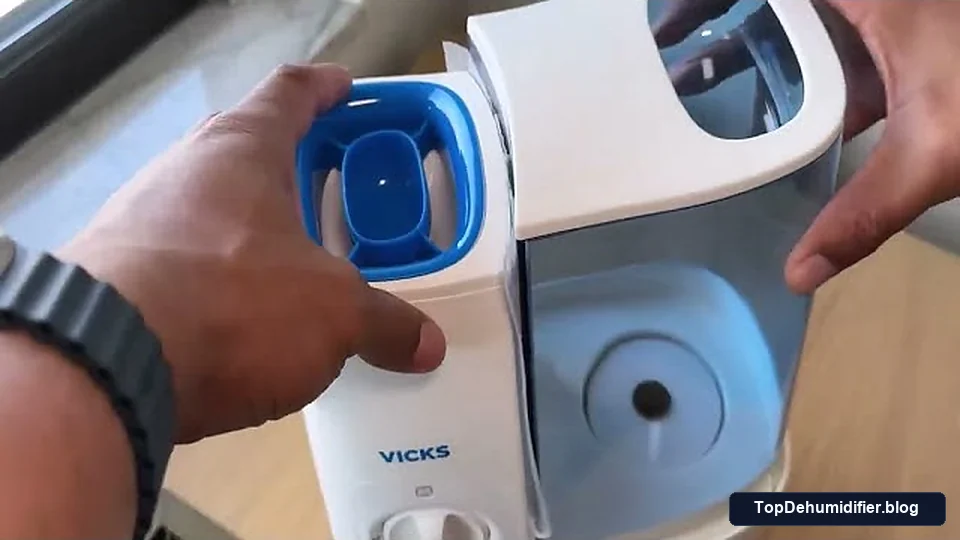
Cold weather operation places unique mechanical stress on dehumidification and air filtration equipment components. Performing systematic maintenance ensures reliable performance and extends the operational lifespan of expensive mechanical hardware.
Clean air filters monthly to prevent restricted airflow from freezing evaporator coils during low temperatures. A blocked filter forces compressors to work harder, increasing energy consumption and risking permanent motor burnout.
Inspect condensate collection buckets, internal drain lines, and gravity hoses for potential winter freezing obstructions. Frozen drainage pathways cause major water overflows that damage flooring and subfloor structural framing materials.
Test automatic shutoff switches periodically to verify overflow protection mechanisms function correctly before leaving systems unattended. Regular testing prevents catastrophic water damage during peak winter dehumidification cycles.
- Wash reusable air filters monthly with mild soapy water.
- Check drain lines for freezing when equipment sits in garages.
- Test mechanical float switches for reliable overflow shutoff response.
- Vacuum dust accumulation from internal condenser coils carefully.
Evaporator Coil Frost Management
Low ambient indoor temperatures can cause frost to form directly on refrigeration coils during operation. Advanced units feature automatic defrost cycles that periodically warm coils to melt accumulated ice buildup.
If continuous icing occurs, relocate the equipment to a warmer room or adjust humidistat settings. Operating dehumidifiers below recommended manufacturer temperature limits severely impairs their moisture removal efficiency.
- Monitor evaporator coils for abnormal ice accumulation patterns.
- Respect manufacturer minimum operating temperature specifications strictly.
Troubleshooting Common Cold-Weather Moisture Failures
Recognizing early warning signs of humidity failure prevents costly structural repairs during freezing weather. Persistent window fogging, musty odors, and peeling paint indicate that current moisture management strategies require immediate adjustment.
When evaluating options like the best dehumidifier for a home gym, always verify that ambient temperatures exceed minimum operating thresholds before starting continuous extraction cycles.
Investigate short-cycling issues caused by improperly located humidistats or restricted airflow pathways. Relocating the sensor or clearing blocked intake grilles usually restores normal operational cycles and effective moisture control.
Consult professional HVAC technicians if structural moisture issues persist despite proper equipment operation. Hidden plumbing leaks or major building envelope failures require specialized diagnostic tools and remediation expertise.
- Address window fogging immediately by lowering indoor humidity levels.
- Check temperature thresholds if water collection output drops unexpectedly.
- Clear obstructed airflow paths to eliminate short-cycling behaviors.
- Hire certified specialists for persistent hidden moisture investigations.
Resolving Persistent Water Leaks
Water leaks around dehumidifier bases usually stem from cracked collection buckets or kinked drain lines. Inspect all connection points and replace damaged tubing immediately to prevent slip hazards and floor damage.
Ensure gravity drain hoses maintain a continuous downward slope toward a suitable floor drain. Any upward loops in the drainage path create air locks that back up water into the chassis.
- Inspect collection buckets and drain hoses for physical cracks.
- Maintain a downward slope on all gravity drainage lines.
Frequently Asked Questions
Why does window condensation happen during winter months?
Window condensation frequently occurs when warm, moisture-laden indoor air contacts cold glass surfaces that drop below the critical dew point temperature during freezing winter weather conditions.
Lowering your overall indoor relative humidity below fifty percent and upgrading perimeter window insulation successfully stops this troublesome moisture accumulation without causing static electricity or dry skin.
Can I use a standard dehumidifier in an unheated garage during winter?
Traditional compressor dehumidifiers struggle significantly when operating in unheated residential winter garages because their internal evaporator coils quickly ice over below designated manufacturer temperature limits.
Utilizing specialized low-ambient rated equipment or maintaining minimal ambient space temperatures with a safe electric heater prevents this operational freezing failure entirely during the entire cold winter season.
How often should I calibrate my digital hygrometer?
You must carefully calibrate your residential digital hygrometer at least twice every single year using the reliable standard salt test method before relying on any displayed operational metrics.
This essential routine verification process ensures your indoor relative humidity readings remain completely accurate across changing seasonal weather shifts to prevent costly hidden structural dampness issues effectively.
What is the ideal indoor humidity range during freezing weather?
The ideal indoor humidity range during severe freezing winter weather conditions is strictly maintained between thirty and fifty percent across all primary residential living spaces.
This specific technical threshold effectively prevents destructive condensation on cold windows while avoiding uncomfortable static electricity and chronic dry skin issues during the entire heating season.
Why does my home feel damp even when the heating is on?
Your residential home often feels damp during winter because simply heating indoor air raises its moisture holding capacity without actually removing water vapor generated by daily household activities.
Utilizing a properly sized dehumidifier or running dedicated mechanical exhaust fans continuously removes this trapped humidity to restore everyday comfort and protect structural wooden building materials from degradation.