Good Humidity for House in Winter: Target Ranges
Maintaining proper indoor moisture levels during freezing weather prevents structural decay and protects respiratory health.


Keep winter indoor relative humidity between 30 percent and 40 percent to avoid condensation while preventing static electricity.
Ready to compare models? Start with our Best Dehumidifier: Top Picks for Basements & Homes.
Practical Quick-Reference Table
| Scenario / Metric | Recommended Target | Why It Matters |
|---|---|---|
| Outdoor Temp: 20°F (-6°C) | Indoor RH: 30% | Prevents frost accumulation on double-pane glass. |
| Outdoor Temp: 0°F (-18°C) | Indoor RH: 25% | Stops moisture penetration inside external wall cavities. |
| Basement Storage Area | Indoor RH: 35-45% | Protects stored timber and electronics from dampness. |
| Main Living Spaces | Indoor RH: 30-40% | Balances skin comfort with structural vapor protection. |
| Bathrooms During Use | Exhaust to 50% | Removes excess steam before it saturates drywall. |
| Sleeping Quarters | Indoor RH: 35% | Reduces dust mite proliferation without drying airways. |
Physics of Winter Moisture and Relative Humidity
Cold outdoor air holds very little absolute moisture compared to warm summer air. When sub-freezing air enters a heated home, its relative humidity drops dramatically unless supplemental moisture is added through living activities.
Understanding vapor pressure gradients is essential. Managing these dynamics in standard properties often requires checking our best dehumidifier for 3 bed house recommendations to prevent condensation buildup.
Absolute humidity measures the actual mass of water vapor present in a specific volume of air. Tracking this metric helps engineers determine exact dew points across different building envelope materials during winter storms.
Relative humidity fluctuates inversely with indoor temperature changes. Raising your thermostat without adjusting moisture inputs will artificially depress your relative humidity readings, creating excessively dry indoor conditions.
- Monitor outdoor temperature shifts to predict indoor RH adjustments.
- Calculate vapor pressure differentials across exterior wall assemblies.
- Recognize that cold air carries minimal baseline moisture content.
- Avoid overheating spaces to prevent severe relative humidity drops.
Calculating Dew Point Dynamics Indoors
The dew point represents the exact temperature at which air becomes fully saturated with moisture. If your window glass falls below this threshold, surface condensation will form immediately.
Keeping interior glass temperatures above the local dew point requires adequate thermal resistance. Double or triple-glazed windows significantly raise internal glass temperatures against freezing exterior winds.
- Measure surface temperatures using an infrared thermometer.
- Compare glass surface readings against calculated indoor dew points.
Mitigating Condensation Risks on Windows and Walls
Visible water droplets on sills signal high indoor humidity. Use our pint capacity calculator to determine the exact extraction rate needed to stop black mold colonization.
Thermal bridging occurs when framing studs conduct cold temperatures directly into living spaces. These localized cold spots attract condensation, creating damp streaks along drywall fastener heads during deep freezes.
Using localized exhaust fans during bathing and cooking eliminates major moisture spikes. Capturing steam at the source prevents vapor from diffusing into colder structural cavities throughout your home.
Interior storm windows add an extra barrier against thermal transfer. They elevate interior glass temperatures, substantially reducing the risk of frost accumulation during severe winter cold snaps.
- Wipe down wet window sills every morning to prevent rot.
- Insulate cold bridging points with appropriate thermal breaks.
- Run kitchen and bathroom exhaust fans for twenty minutes post-use.
- Install tight interior storm panels on older single-pane windows.
Addressing Hidden Moisture in Exterior Walls
Vapor retarders installed on the warm side of walls stop moisture diffusion. Without this barrier, migrating water vapor condenses inside fiberglass insulation batts, destroying their thermal performance.
Periodic inspections of attic spaces help detect frost accumulation on roof sheathing. Warm air leaking through ceiling penetrations causes dangerous ice dams and structural wood decay.
- Seal all ceiling penetrations with fire-rated acoustic sealant.
- Ensure attic soffit vents remain unobstructed by blown insulation.
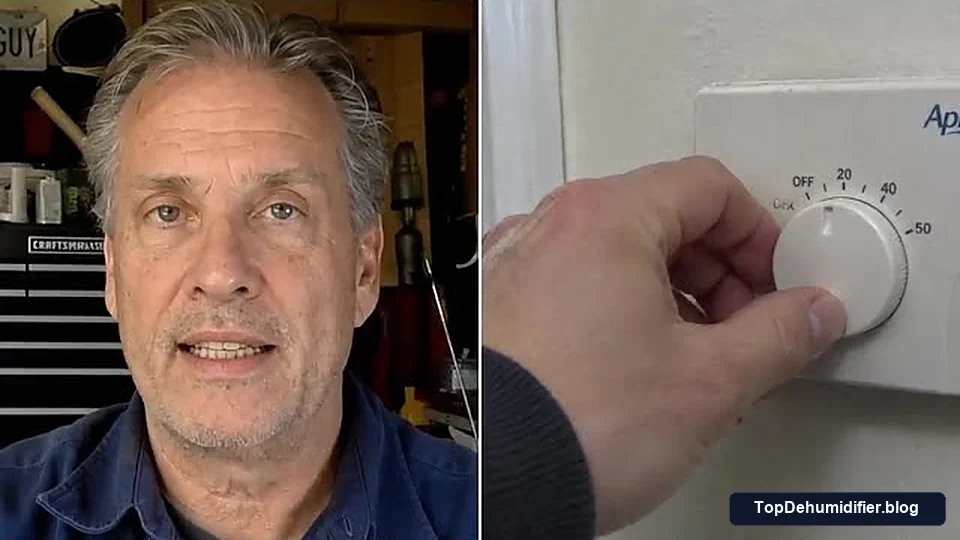
Video Walkthrough: Ask Andrew: Why indoor humidity matters during the cold season
Balancing Respiratory Health and Indoor Air Quality
Extremely dry winter air dehydrates mucous membranes, increasing susceptibility to viral infections. Maintaining at least thirty percent relative humidity protects your respiratory tract from airborne pathogens.
Conversely, keeping humidity above fifty percent encourages dust mite proliferation and microbial growth. Striking a careful balance ensures a healthy living environment for sensitive allergy sufferers throughout winter.
Proper ventilation dilutes indoor pollutant concentrations including carbon dioxide and volatile organic compounds. Mechanical ventilation systems exchange stale indoor air while recovering sensible heat efficiently.
Air filtration units capture particulate matter without altering moisture levels. Combining filtration with precise humidity control creates an optimal indoor ecosystem for year-round occupant wellness.
- Target thirty to forty percent RH for optimal respiratory defense.
- Keep indoor air moving to prevent stagnant allergen pockets.
- Change HVAC filtration media according to manufacturer schedules.
- Monitor indoor carbon dioxide levels alongside humidity metrics.
Controlling Dust Mites and Biological Pollutants
Dust mites absorb ambient moisture directly from surrounding air to survive. Maintaining winter humidity below forty percent rapidly deactivates these pests, reducing household allergen loads.
HEPA vacuums capture disturbed allergens effectively during routine deep cleaning sessions. Regular maintenance prevents accumulated dust from aggravating chronic winter respiratory conditions.
- Wash bedding weekly in hot water above 130 degrees Fahrenheit.
- Use certified HEPA filtration vacuums on all carpeted surfaces.
Calibrating Monitoring Tools and Environmental Baselines
Accurate hygrometer calibration is foundational for proper winter humidity management. Cheap analog dials often drift significantly, leading to flawed environmental adjustments and potential property damage.
Perform the salt test method to verify digital hygrometer accuracy before relying on readings. A saturated salt slurry in a sealed bag creates a stable seventy-five percent environment for calibration.
Place monitoring devices carefully, and if you are evaluating lower levels, consult our best dehumidifier for crawl space under house selections to ensure accurate sub-floor moisture control.
Recording daily baseline metrics helps identify unusual moisture spikes caused by internal activities. Consistent tracking allows proactive adjustments before structural condensation damage occurs.
- Calibrate digital hygrometers annually using the salt test method.
- Mount sensors at mid-wall height away from direct sunlight.
- Replace exhausted batteries in wireless sensor monitors promptly.
- Log baseline humidity trends across different weather patterns.
Interpreting Fluctuating Hygrometer Data
Sudden drops in indoor humidity usually indicate heavy furnace cycling during cold snaps. Recognizing this pattern helps you decide when to deploy supplemental humidification equipment safely.
Spikes in humidity following indoor gatherings require temporary ventilation increases. Removing excess moisture quickly prevents prolonged condensation exposure on cold glass surfaces.
- Cross-reference indoor humidity drops with outdoor temperature lows.
- Track post-cooking humidity decay rates to gauge ventilation efficiency.
Managing Mechanical Ventilation and Dehumidification
Modern airtight homes trap indoor moisture generated by cooking, showering, and breathing. Energy recovery ventilators balance this dynamic by exhausting damp air while pre-heating incoming fresh air.
Basements often require dedicated dehumidification even during freezing winter months. Cool foundation walls chill surrounding air, driving local relative humidity upward and fostering basement mold growth.
Sizing mechanical equipment correctly prevents short-cycling and ensures efficient moisture removal. Oversized units fail to extract sufficient water vapor before satisfying their internal humidistat controls.
Regular maintenance of condensate drainage lines prevents winter freeze-ups in unheated utility areas. Frozen drain tubes cause internal water backups and severe equipment electrical failures.
- Install energy recovery ventilators to manage airtight building moisture.
- Run basement dehumidifiers continuously if local RH exceeds forty percent.
- Verify proper condensate line sloping to prevent winter freezing.
- Clean equipment intake grilles monthly to maintain rated airflow.
Optimizing Whole-House Humidifier Integration
Choosing the right system, such as a model from our best dehumidifier for whole house guide, helps maintain ideal moisture levels throughout your entire property.
Inspect evaporative water panels annually and replace calcified media before heating season begins. Clean pads ensure maximum moisture transfer and prevent microbial growth inside ductwork.
- Adjust furnace humidifier settings downward as outdoor temperatures drop.
- Replace evaporative water panels at the start of every winter.
Protecting Building Materials and Hardwoods from Thermal Shock
Rapid fluctuations in indoor humidity severely stress hardwood flooring and fine cabinetry. Dry winter air causes wood to shrink, creating unsightly gaps between solid hardwood planks.
Maintaining stable indoor humidity prevents wooden structural joints from cracking under extreme tension. Consistent moisture levels preserve the structural integrity of valuable architectural woodwork.
Musical instruments like pianos and guitars are exceptionally vulnerable to winter dryness. Unchecked low humidity causes soundboards to split, requiring expensive professional luthier repairs.
Using localized room humidifiers near instrument storage areas protects delicate wooden assemblies. Monitoring these micro-climates ensures your investments survive harsh heating season extremes.
- Keep hardwood floor areas within stable thirty to forty percent RH.
- Protect musical instruments with dedicated in-case humidification packs.
- Inspect wooden cabinetry joints regularly for signs of seasonal splitting.
- Avoid placing antique furniture directly over heating floor registers.
Preventing Drywall and Plaster Cracking
Extremely dry air causes plaster and drywall tape to warp and fracture. Keeping baseline humidity near thirty-five percent prevents structural joint compound failure.
Repair any winter stress cracks in spring once structural materials have stabilized. Using flexible joint tape prevents future recurrence of seasonal cosmetic wall damage.
- Maintain consistent indoor humidity to protect taped drywall joints.
- Delay cosmetic wall repairs until seasonal temperature extremes pass.
Frequently Asked Questions
What is the absolute best humidity level for a house in winter?
Target between 30 percent and 40 percent relative humidity for optimal balance. This range prevents window condensation while keeping airways comfortable.
Why does my house feel so dry during freezing weather?
Cold outdoor air carries very little moisture naturally. When heated inside your home, its relative humidity plummets rapidly unless replenished.
How can I stop condensation from forming on my winter windows?
Lower your indoor humidity target and run exhaust fans during cooking. Installing interior storm windows also raises glass temperatures significantly.
Do I need to run a dehumidifier in my basement during winter?
Yes, if your basement relative humidity exceeds 45 percent. Cool foundation walls frequently chill indoor air, causing localized dampness and mold.
How do I accurately check the humidity inside my home?
Use a calibrated digital hygrometer placed at mid-wall height. Keep sensors away from direct heat sources and exterior doors for accuracy.