How to Calculate Pints Per Day Dehumidifier Sizing
Accurately calculating pints per day ensures optimal moisture control. Proper sizing prevents both high humidity and short cycling.


To calculate proper capacity, assess your square footage and ambient moisture level. Multiply baseline ratings by AHAM standards to match actual operational demands.
Ready to compare models? Start with our Best Dehumidifier: Top Picks for Basements & Homes.
Practical Quick-Reference Table
| Scenario / Metric | Recommended Target | Why It Matters |
|---|---|---|
| Mild Dampness | 30 Pints | Addresses minor basement humidity and musty odorous air effectively. |
| Moderately Wet | 50 Pints | Handles damp crawlspaces and living areas with visible condensation traces. |
| Very Wet Space | 70 Pints | Combats persistent standing water, heavy moisture, and damp masonry walls. |
| AHAM Standard | 65°F at 60% RH | Provides baseline testing conditions for compressor capacity and water extraction. |
| High Ceiling Bonus | Add 10-20% Capacity | Compensates for increased total cubic volume and vertical air stratification. |
| Occupancy Factor | Add 1 Pint per Person | Accounts for routine human respiration and indoor moisture generation activities. |
Understanding AHAM Ratings and Baseline Extraction Capacity
Standard residential dehumidifier capacity relies heavily on controlled AHAM testing protocols. These laboratory metrics measure actual moisture removal performance at specific ambient temperatures and relative humidity percentages.
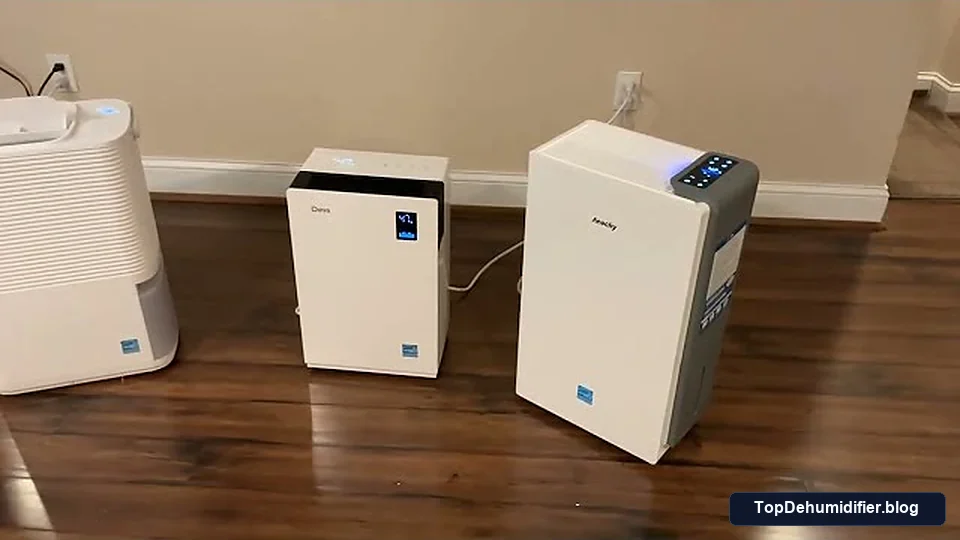
Manufacturers rate units in pints extracted every twenty-four continuous hours. However, real-world household conditions rarely match sterile testing environments, requiring careful sizing adjustments.
Higher ambient temperatures boost compressor efficiency and water collection rates. When evaluating your space, consult our best dehumidifier picks to find models featuring robust refrigeration coils for cold environments.
Always convert raw square footage into total cubic volume when planning. Vertical air space dictates how rapidly moisture accumulates within enclosed structural building zones.
Association of Home Appliance Manufacturers standards test units at 65°F and 60% relative humidity. This controlled baseline helps consumers compare moisture removal rates accurately, though real-world environments often diverge significantly from these conditions.
Older compressor-based dehumidifiers rated under previous DOE guidelines show inflated capacities compared to current Energy Star protocols. Always verify the updated rating plate specifications to avoid purchasing an undersized unit for your specific space.
Extraction capacity drops precipitously as ambient temperatures fall below 50 degrees Fahrenheit. Standard refrigerants lose thermal efficiency rapidly, requiring low-temperature models equipped with automatic hot-gas defrost cycles to maintain effective moisture extraction.
Manufacturer capacity ratings assume continuous operation over a twenty-four hour period. Factoring in compressor cycle delays and defrost intervals means you should never rely on peak theoretical extraction numbers when sizing your equipment.
- Review AHAM ratings at standard sixty-five degrees Fahrenheit.
- Factor in regional climate variations before purchasing equipment.
- Calculate total cubic footage for multi-level open concepts.
- Recognize that basement environments require higher capacity units.
Evaluating Ambient Temperature Impacts
Cold environments quickly freeze evaporator coils, shutting down normal operation. Defrost cycles periodically interrupt continuous water extraction in unheated spaces like stone crawlspaces.
Selecting low-temperature models ensures reliable performance when indoor winter temperatures drop. Standard refrigeration units fail below sixty-five degrees without specialized defrost components.
- Check low-temp operating limits before deployment.
- Install auxiliary heating if basement stays freezing.
Calculating Room Volume and Square Footage Formulas
Determining proper sizing starts with measuring total floor space dimensions accurately. Multiply room length by width to establish baseline square footage measurements.
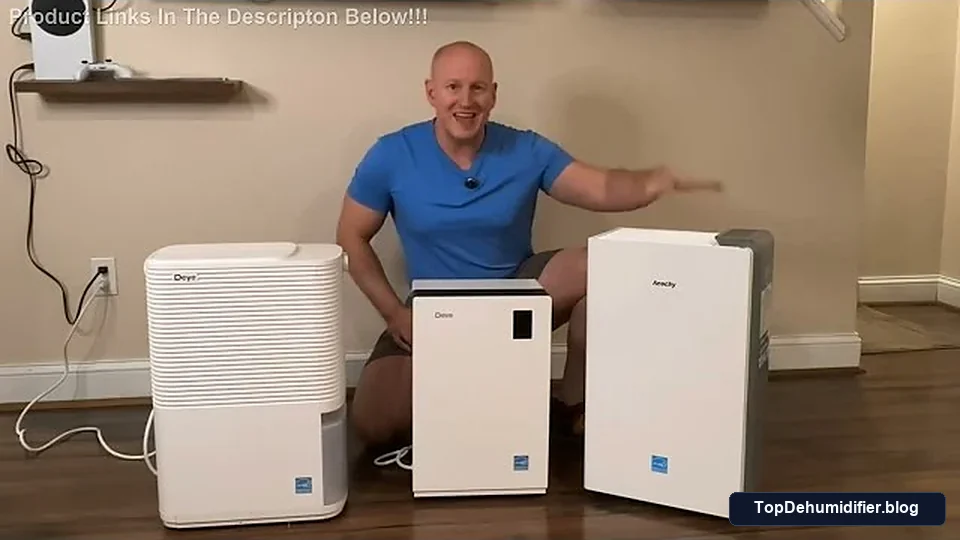
Open-concept living areas require accounting for adjacent hallways and stairwells. Air circulates freely, carrying ambient humidity throughout the entire connected structural zone.
High ceilings demand extra capacity calculations beyond standard square footage rules. Extra cubic volume means more moist air requires continuous mechanical processing.
Use standardized mathematical multipliers to bridge the gap between room dimensions and pint ratings. Capacity formulas prevent chronic under-sizing in damp living environments.
Square footage calculations provide a quick baseline, but calculating total room cubic volume is essential for high-ceiling spaces. Multiply floor area by ceiling height to determine the true volume of air needing treatment.
Open-concept architectural layouts require accounting for adjacent hallways and adjoining rooms. Before buying, check out our humidifier vs dehumidifier comparison guide to understand proper moisture control across your entire footprint.
Multi-story homes prevent effective horizontal dehumidification due to the stack effect. Warm, humid air naturally rises toward upper levels, forcing you to address moisture loads on each distinct floor level independently.
When measuring irregularly shaped spaces, divide the floor plan into manageable rectangular zones. Sum the calculated volumes together to establish an accurate aggregate metric for your pints per day sizing math.
- Measure exact room dimensions using a laser tape.
- Include connected open hallways in total calculations.
- Apply volume multipliers for ceilings exceeding eight feet.
- Consult manufacturer sizing charts after finding square footage.
Video Walkthrough: How Many Pints Per Day Does Your Dehumidifier Need To Have?
Assessing Moisture Severity and Environmental Conditions
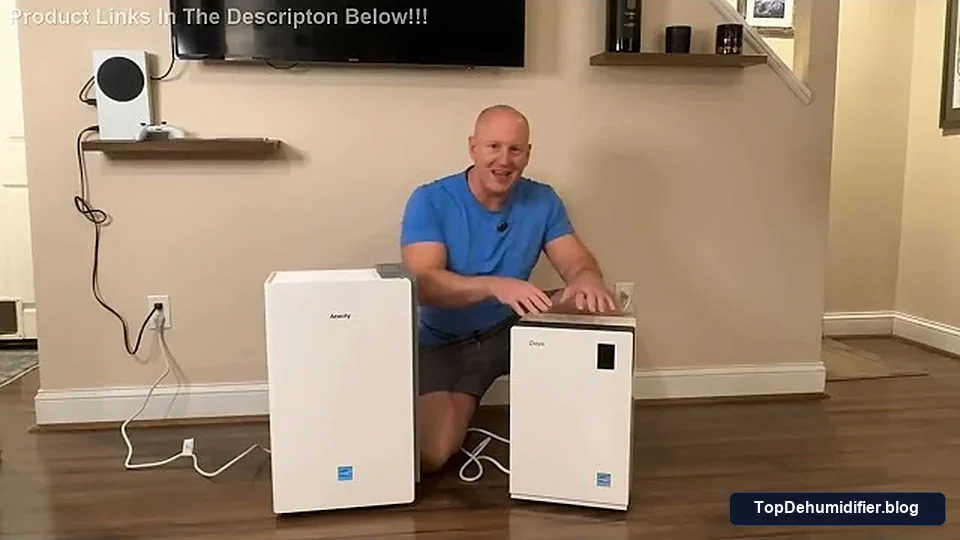
Environmental moisture levels dictate whether you need a compact or heavy-duty unit. Mildly damp spaces require minimal water extraction power daily.
Spaces with visible puddles, damp concrete walls, or standing water need maximum capacity. Severe dampness overpowers standard units, making our pint capacity calculator essential for proper sizing.
Musty odors and condensation on windows indicate moderate humidity infiltration issues. These environments demand mid-tier fifty-pint systems for adequate residential moisture management.
Climate zones with high outdoor humidity increase indoor mechanical demands significantly. Coastal regions require oversized equipment to maintain healthy indoor relative humidity ranges.
Environmental severity dictates whether you need a standard unit or a heavy-duty commercial machine. Spaces experiencing dampness, visible condensation, or a musty odor require substantial capacity increases over dry basements.
Monitor relative humidity levels using a calibrated digital hygrometer over a consecutive multi-day period. Maintaining indoor RH between 45% and 50% prevents mold proliferation while avoiding excessive structural wood drying.
High water tables and poor exterior drainage introduce continuous moisture through foundation walls. These persistent geological factors mandate continuous drain hose setups and a higher capacity rating than sporadic seasonal humidity.
Climate zones heavily influence baseline outdoor vapor pressure differentials. Coastal regions with high dew points push significantly more moisture through building envelopes, demanding robust compressor systems for effective humidity control.
- Inspect walls for peeling paint or white powder efflorescence.
- Test relative humidity levels using a calibrated digital hygrometer.
- Identify musty odors as primary indicators of mold growth.
- Account for seasonal weather shifts when sizing equipment.
Factoring Occupancy and Internal Moisture Sources
Human occupants generate significant moisture daily through normal breathing and routine household activities. Showers, cooking, and laundry add substantial invisible water vapor.
Every active person adds roughly one pint of moisture into indoor air daily. Occupancy counts must be carefully added to your baseline sizing calculations.
Indoor plants release moisture through transpiration, raising overall ambient humidity levels. Large indoor gardens require additional dehumidifier capacity to prevent mold growth.
Unvented clothes dryers or indoor drying racks introduce massive humidity spikes. Mechanical sizing must account for these heavy periodic moisture generation events.
Human occupants continuously release moisture vapor through respiration and perspiration. A typical resting adult adds roughly one-third pint of water to the indoor air every single hour of the day.
Household appliances represent major hidden contributors to indoor humidity loads. Ventless dryers, unexhausted kitchen range hoods, and indoor house plants introduce gallons of vapor that require active mechanical removal.
Routine activities like showering, bathing, and cooking generate massive short-term humidity spikes. Sizing your equipment must account for these peak operational windows to prevent prolonged surface condensation on cold windows and walls.
Pets, aquariums, and indoor swimming pools dramatically increase latent moisture loads inside residential properties. Large open water features require dedicated commercial-grade dehumidification systems to protect the surrounding structural framing.
- Count total household members for baseline adjustments.
- Vent all clothes dryers directly to the exterior.
- Limit indoor plant collections in heavily humid spaces.
- Run kitchen and bathroom exhaust fans during activities.
Adjusting for Basement and Crawlspace Specifics
Basements and crawlspaces present unique moisture challenges due to direct ground contact. Concrete foundation walls constantly transmit subterranean moisture into indoor air.
Subterranean spaces remain naturally cooler, reducing standard dehumidifier compressor efficiency dramatically. Temperature drops require exploring our best basement dehumidifier options for reliable low-temperature performance.
Crawlspaces require sealed polyethylene vapor barriers before installing heavy-duty extraction equipment. Unsealed earth will continuously feed moisture faster than machines process.
Sizing for basements should lean toward larger seventy-pint models. Even moderately sized cellars benefit from extra capacity to handle persistent foundation seepage.
Below-grade masonry foundations absorb ground moisture through capillary action and hydrostatic pressure. Unsealed concrete walls demand an automatic capacity bump of at least 25 percent to overcome continuous earth-coupled evaporation.
Crawlspaces require heavy-duty vapor barriers coupled with encapsulated sealing systems. Without a thick polyethylene ground cover, moisture vapor transmission rates overwhelm standard portable units, necessitating dedicated commercial crawlspace dehumidifiers.
Sump pump basins act as major localized evaporation points within unfinished basements. Installing a tight-fitting gasket lid over your sump pit drastically reduces free moisture release and improves overall room dryness.
Low ambient temperatures in subterranean levels reduce refrigeration efficiency. Selecting low-temp units with internal defrost timers ensures your machine continues extracting moisture efficiently during cold winter months.
- Install heavy plastic vapor barriers over exposed earth.
- Seal foundation cracks to minimize active water entry.
- Choose rugged units rated for low ambient temperatures.
- Use continuous drainage hoses to avoid manual tank emptying.
Avoiding Common Mistakes in Pints Per Day Sizing
Sizing strictly by square footage without assessing moisture severity causes failure. Undersized units run continuously without reaching target relative humidity percentages.
Conversely, massively oversized units cause short cycling and excessive mechanical wear. Short cycling wastes electricity and fails to properly extract ambient moisture.
Forgetting to account for regional climate differences ruins sizing accuracy. Humid southern states demand significantly larger units than dry western mountain deserts.
Ignoring drainage logistics leads to overflowing water collection buckets and equipment shutdowns. Plan for gravity drainage or internal condensate pumps ahead of installation.
Selecting a dehumidifier based solely on square footage while ignoring ceiling height causes severe under-sizing. Always calculate total cubic footage to account for vaulted ceilings or split-level architectural designs accurately.
Buying a unit that is excessively oversized leads to short-cycling issues. A compressor that turns off too quickly fails to properly extract moisture, leaving you with clumped humidity and wasted electricity.
Ignoring internal moisture generators like unvented laundry dryers introduces massive calculation errors. Failing to factor in active human and appliance vapor loads guarantees your chosen machine will operate beyond its limits.
Forgetting to verify electrical requirements before purchase creates frustrating installation roadblocks. Heavy-duty 50-pint and 70-pint units often require dedicated circuit breakers to prevent frequent tripping during high compressor loads.
- Avoid purchasing undersized units to save upfront costs.
- Never ignore ceiling height during initial volume calculations.
- Plan for continuous drainage before positioning the equipment.
- Monitor actual humidity levels with a reliable digital hygrometer.
Frequently Asked Questions
How many pints do I need for a damp basement?
A damp basement typically requires a seventy-pint unit to handle heavy subterranean moisture. Choose a low-temperature model if winter temperatures drop.
What size dehumidifier fits a standard living room?
Standard living rooms usually require a thirty to fifty pint unit depending on occupancy. Assess local humidity and square footage for exact sizing.
Does ceiling height affect dehumidifier sizing calculations?
Yes, high ceilings increase total cubic volume and require extra capacity to process air. Multiply standard square footage by height ratios for accuracy.
What happens if my dehumidifier is too large?
An oversized unit will short cycle, turning off before properly removing ambient moisture. This wastes electrical energy and causes premature compressor motor wear.
Why do AHAM ratings matter for dehumidifier selection?
AHAM ratings provide standardized test results measured at sixty-five degrees and relative humidity. They offer a reliable baseline for comparing actual extraction performance.