How Much Electricity Does a 50 Pint Dehumidifier Use?
Understanding electrical power consumption helps you manage operating costs effectively. Learn how daily wattage impacts your monthly utility bills.


Most 50-pint units draw 500 to 740 watts during active operation. Calculate kilowatt-hours by multiplying wattage by daily runtime hours.
Ready to compare models? Start with our Best Dehumidifier: Top Picks for Basements & Homes.
Practical Quick-Reference Table
| Scenario / Metric | Recommended Target | Why It Matters |
|---|---|---|
| Running Wattage | 500 - 740 Watts | Establishes base electrical draw. |
| Relative Humidity | 45% - 50% | Optimizes comfort and runtime. |
| Ambient Temperature | 65°F to 90°F | Prevents coil icing issues. |
| Airflow Clearance | 12 Inches Minimum | Ensures proper heat exchange. |
| Filter Cleaning | Every Two Weeks | Maintains peak operating efficiency. |
| Daily Runtime | 6 to 12 Hours | Prevents excessive energy use. |
Understanding Electrical Wattage and Compressor Load
Modern 50-pint units typically draw between 500 and 740 watts during active compressor operation. Understanding this baseline wattage helps homeowners estimate monthly electrical consumption accurately without relying on vague manufacturer estimates.

When choosing the best 50 pint dehumidifier for basement waterproofing, understanding electrical loads is vital. When components run simultaneously, energy draw peaks at rated maximum capacity.
Older mechanical control models often consume slightly more power due to less efficient rotary compressors. Upgrading to electronic humidistats provides minor efficiency gains by cycling components precisely when needed.
Evaluating your appliance requires looking beyond raw wattage to understand total energy profiles over extended operational periods. Continuous mode operations drain significantly more power than intermittent humidistat-controlled cycles.
Standard 50-pint dehumidifiers generally draw between 500 to 750 watts during active operation. This electrical load primarily stems from the rotary compressor and the internal fan motor cycling continuously.
Starting a compressor requires a brief surge of electrical current known as locked rotor amperage. Homeowners must ensure their circuit breakers handle this initial startup spike without tripping household fuses.
Continuous running modes keep the compressor engaged, maximizing moisture removal but increasing electricity consumption. Understanding this heavy duty cycle helps users anticipate their monthly utility bill impacts accurately.
Modern units utilize variable-speed fans that adjust airflow based on relative humidity levels. This engineering approach optimizes energy draw while maintaining effective moisture extraction across damp basement environments.
- Typical running wattage spans 500 to 740 watts.
- Compressor draws the vast majority of electrical current.
- Fan motors add roughly 50 to 80 watts continuously.
- Check the UL rating label for exact specifications.
Evaluating Starting Surge Amperage
Electric motors experience an initial surge current when first engaging the compressor. This transient spike lasts mere milliseconds but demands heavy electrical flow from your wall circuit.
Dedicated 15-amp circuits prevent voltage drops that strain sensitive internal electronics during heavy motor activation phases. Avoid using light-duty extension cords which increase electrical resistance and heat buildup.
- Surge current spikes occur during compressor startup.
- Never use standard unrated household extension cords.
Daily Kilowatt-Hour Calculations and Practical Formulas
Calculating daily kilowatt-hours involves multiplying total operating wattage by daily runtime hours. Divide this resulting figure by one thousand to determine standard kWh consumption used by your utility provider.
If a 600-watt appliance runs for eight hours daily, it consumes roughly 4.8 kilowatt-hours. Multiplying this daily total by thirty days yields your estimated monthly electrical consumption profile.
Utility rates vary significantly by region, meaning identical power consumption results in widely different monthly bills. Check your local electric utility statement for the exact cost per kilowatt-hour.
Smart energy monitors plug directly into the wall outlet to track exact cumulative power consumption. These diagnostic tools eliminate guesswork by recording real-time electrical draw over multiple days.
Calculating daily energy use requires multiplying the running wattage by operating hours. Divide that total by one thousand to determine your total kilowatt-hours consumed every single day.
Our Midea Cube review demonstrates how multiplying your daily kilowatt-hour total by local utility rates reveals actual financial operating costs for residential moisture control.
Dehumidifiers rarely run continuously twenty-four hours a day unless humidity is extremely high. Factoring in an average fifty percent duty cycle provides much more realistic monthly projections.
Tracking these metrics over a billing cycle allows homeowners to identify sudden operational anomalies. Unusually high kilowatt-hour consumption often points to underlying mechanical failures needing immediate attention.
- Multiply wattage by daily runtime hours.
- Divide total watt-hours by one thousand for kWh.
- Multiply daily kWh by thirty for monthly use.
- Use plug-in monitors for precise tracking.
Video Walkthrough: Dehumidifier Running Costs: How Much Electricity Does it Use?
Ambient Humidity and Temperature Impact on Duty Cycles
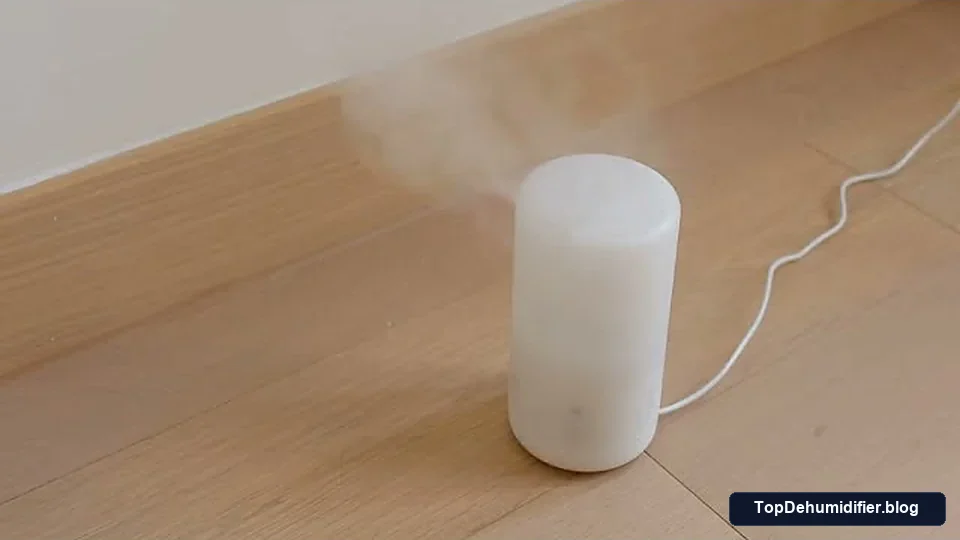
Ambient room temperature and relative humidity directly dictate how long your compressor runs. Warmer, highly humid environments force the refrigeration coils to work harder, increasing overall electrical usage.
Operating units in spaces below 65 degrees Fahrenheit triggers frost accumulation on internal coils. Modern units utilize automatic defrost cycles that temporarily pause compressor operations to melt ice buildup.
Using our pint capacity calculator helps you match equipment size to room conditions. Maintaining suitable ambient temperatures ensures your 50-pint unit operates within optimal engineering parameters.
Setting realistic target relative humidity levels prevents unnecessary continuous running and wasted electricity. Most residential basements and living spaces achieve optimal comfort between 45 and 50 percent humidity.
Ambient room temperature directly influences the refrigeration cycle efficiency inside standard portable dehumidifiers. Temperatures falling below sixty-five degrees Fahrenheit cause evaporator coils to freeze up rapidly.
When frost accumulates on the coils, the automatic defrost control engages to melt ice. This safety cycle temporarily halts moisture removal, altering the compressor run time significantly.
High relative humidity levels force the compressor to work harder to extract moisture from dense air. Consequently, muggy summer basements demand a higher electricity load than dry spaces.
Maintaining optimal basement temperatures between seventy and eighty degrees ensures peak compressor efficiency. Proper thermal management prevents wasted energy and reduces the overall equipment wear over time.
- High humidity extends active compressor duty cycles.
- Cold environments trigger energy-consuming defrost modes.
- Target 45 to 50 percent relative humidity.
- Avoid oversized rooms that cause endless running.
Strategic Placement for Maximum Energy Efficiency
Proper unit placement drastically improves airflow efficiency and reduces unnecessary electrical consumption. Position your appliance at least twelve inches away from walls and furniture to ensure unobstructed intake.
Confining equipment inside tight utility closets restricts vital airflow across condenser coils, lowering performance. Adequate clearance allows fans to circulate air freely, minimizing the thermal load on the compressor.
Centering the dehumidifier within damp living areas or basements accelerates moisture extraction across the entire footprint. This strategic positioning reduces total runtime hours required to reach your target humidity.
Keep doors and windows firmly closed during operation to prevent external moisture from entering conditioned zones. Introducing outside humid air forces appliances to run continuously, driving up electricity bills.
Selecting the best 50 pint dehumidifier for your layout ensures proper moisture extraction. Proper clearance around intake grilles prevents restricted airflow issues that strain the internal fan motor.
Keep the unit away from walls and furniture to ensure unobstructed intake and exhaust pathways. Blocked vents force the compressor to run longer, spiking your daily electrical consumption.
Avoid placing dehumidifiers near heat sources like laundry dryers or water heaters. Elevated ambient temperatures trick humidistats into sensing incorrect moisture levels, causing unnecessary compressor cycles.
Elevating the unit slightly on a sturdy platform can help improve gravity drainage routing. Proper hose angles prevent kinks that cause water backups and extended machine run times.
- Maintain twelve inches of clearance around grills.
- Avoid cramped corners or enclosed utility closets.
- Keep exterior doors and windows closed tightly.
- Center units within the dampest problem areas.
Preventive Maintenance Techniques to Lower Electrical Draw

Routine maintenance plays a vital role in keeping operating wattages as low as possible. Dirty air filters restrict airflow, forcing fan motors and compressors to work harder and consume more power.
Wash washable mesh air filters every two weeks using warm water and mild detergent. Allow them to dry completely before reinstallation to prevent moisture intrusion into sensitive electrical compartments.
Inspect condenser and evaporator coils annually for dust accumulation that blocks heat transfer. Clean coils ensure rapid condensation, shortening overall daily runtime and lowering cumulative electrical consumption.
Check drainage hoses regularly for kinks or clogs that prevent smooth water evacuation. Promptly addressing drainage issues prevents system lockouts and maintains high operational efficiency during heavy moisture loads.
Cleaning the mesh air filter every two weeks prevents dust buildup on evaporator coils. A clean filter ensures unobstructed airflow, directly lowering the compressor electrical load.
Inspect the condenser and evaporator coils annually for stubborn dust and debris accumulation. Dirty coils insulate the refrigerant lines, reducing heat transfer and increasing total power usage.
Test the humidistat calibration periodically to ensure accurate relative humidity readings. A faulty humidistat keeps the compressor running past target thresholds, inflating your monthly electricity bills.
Examine the power cord and wall receptacle for signs of thermal stress or wear. Secure electrical connections prevent voltage drops that can damage the internal compressor windings.
- Clean mesh air filters every two weeks.
- Inspect evaporator coils for dust buildup.
- Ensure unobstructed continuous drainage lines.
- Keep internal electrical components dust-free.
Video Walkthrough: Do Dehumidifiers Use A Lot Of Electricity
Troubleshooting Excessive Power Consumption Symptoms
When your electricity bill spikes unexpectedly, your dehumidifier may be malfunctioning internally. A constantly running compressor usually indicates a failing humidistat switch or extremely high environmental moisture infiltration.
Test the built-in humidistat by placing a reliable digital hygrometer right next to the unit. If the unit fails to shut off when target humidity is reached, the control board requires service.
Refrigerant leaks also cause continuous operation because the system cannot condense moisture effectively. Listen for a hissing sound or observe warm air blowing from the exhaust vents as warning signs.
Addressing mechanical failures immediately prevents premature motor burnout and saves substantial money on utility bills. Professional HVAC technicians should handle any sealed system refrigerant repairs or electrical replacements.
If your electric bill spikes unexpectedly, monitor the dehumidifier for continuous unstopped operation. A stuck relay switch often forces the compressor to run without cycling, driving up daily power consumption.
Check for refrigerant leaks if the unit runs constantly but extracts very little water. Low refrigerant levels compromise cooling capacity, causing the compressor to overwork inefficiently.
Listen carefully for strange clicking or humming noises originating from the main control board. Electrical component degradation can cause erratic cycling and elevate your total operating wattage.
Verify that your designated circuit can support the running amperage without voltage fluctuations. Dedicated circuits protect sensitive electronics and ensure your appliance maintains optimal energy efficiency.
- Verify humidistat calibration using external hygrometers.
- Listen for unusual compressor noises or hums.
- Check exhaust air temperature for abnormal heat.
- Consult technicians for sealed system repairs.
Frequently Asked Questions
Does a 50-pint dehumidifier use a lot of electricity?
A standard 50-pint unit typically draws between 500 and 740 watts during active operation, translating to moderate daily electrical consumption comparable to running a small portable appliance.
Operating costs depend heavily on your local utility rates and how many hours the internal compressor runs each day to maintain target humidity levels.
How much does it cost to run a 50 pint dehumidifier daily?
Running a 600-watt appliance for eight hours daily consumes roughly 4.8 kilowatt-hours of total electrical energy. Multiplying this figure by your local utility provider rate per kilowatt-hour yields your exact daily operating expense.
Why is my 50 pint dehumidifier running continuously?
Continuous operation usually occurs when ambient humidity exceeds capacity or when exterior doors and windows remain open to outside moisture. A malfunctioning electronic humidistat switch can also trap the internal compressor in perpetual running cycles.
Can I plug my dehumidifier into an extension cord?
Standard household extension cords create electrical resistance that generates dangerous heat and voltage drops under heavy compressor loads. Always plug your heavy-duty dehumidifier directly into a dedicated grounded wall outlet.
How can I lower the electricity usage of my dehumidifier?
You can minimize electrical draw by washing mesh filters biweekly and maintaining twelve inches of surrounding airflow clearance. Setting realistic humidity targets between forty-five and fifty percent prevents energy waste.