Why Does My Dehumidifier Smell Like Burning?
Burning smells from a residential dehumidifier demand immediate attention. Understanding electrical and mechanical triggers protects your home safety.

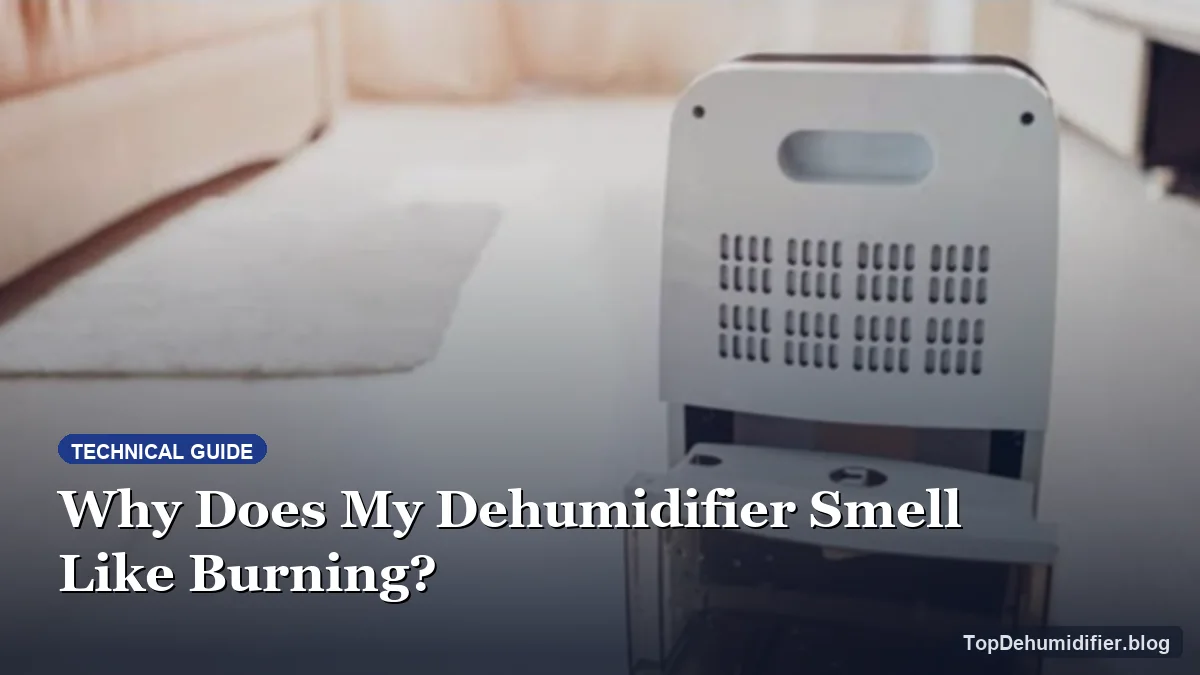
A burning odor usually indicates overheated wiring or a jammed compressor fan. Unplug the unit immediately to prevent electrical fires or catastrophic motor failure.
Ready to compare models? Start with our Best Dehumidifier: Top Picks for Basements & Homes.
Practical Quick-Reference Table
| Scenario / Metric | Recommended Target | Why It Matters |
|---|---|---|
| Blower Fan Obstruction | Free-spinning rotor | Prevents motor burnout |
| Capacitor Microfarads | Within 5% of rating | Avoids electrical shorts |
| Internal Dust Buildup | Zero lint/debris | Stops thermal insulation |
| Ambient Operating Temp | 65°F to 90°F range | Protects compressor coils |
| Power Cord Integrity | No melting or fraying | Prevents arc faults |
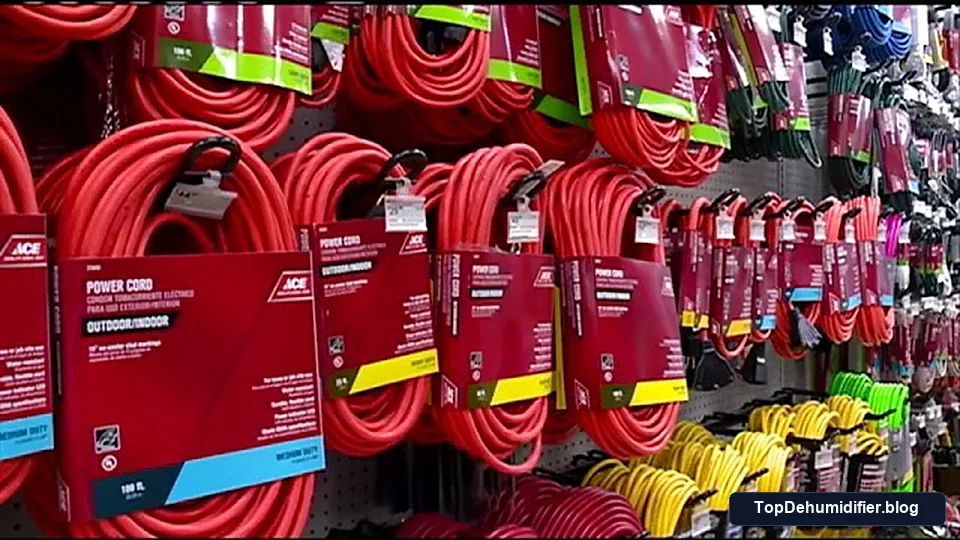
| Extension Cord Usage | Prohibited entirely | Avoids voltage drops |
Electrical Circuitry and Component Failures
Dehumidifier electrical systems handle significant voltage during continuous operation. When internal wires degrade or terminals loosen, electrical resistance spikes rapidly, generating dangerous localized heat that melts plastic wire housings and produces noticeable burning odors.
Faulty relays and worn switches frequently arc internally, charring surrounding insulation. As detailed in our humidifier vs dehumidifier comparison guide, if you notice hot plastic scents, disconnect the appliance immediately.
Internal wiring harnesses must remain securely routed away from hot compressor lines. Vibration from normal compressor cycling can rub insulation away from copper conductors, causing short circuits that emit distinct electrical burning smells throughout the room.
Technicians inspect circuit boards for solder joint cracking and discoloration. Thermal stress weakens these critical electrical connections, leading to intermittent resistance heating that quickly escalates into visible component scorching if left completely unaddressed by owners.
- Inspect power cords for signs of thermal stress.
- Check terminal blocks for loose spade connectors.
- Verify circuit board integrity during annual cleanings.
- Never bypass internal thermal cutoff fuses.
Inspecting Internal Terminal Blocks
Terminal blocks anchor heavy power wires to the main control board. Corrosion or loose screws increase electrical resistance, creating excessive thermal output that melts surrounding plastic connectors and creates pungent burning smells.
Use an insulated screwdriver to verify terminal tightness only after unplugging the unit. Replace any discolored blocks immediately to restore proper electrical continuity and prevent severe fire hazards in your home.
- Unplug unit before touching internal terminals.
- Replace discolored or warped plastic blocks.
Blower Motor Resistance and Mechanical Jams
The blower motor drives air across the evaporator coils. If hair, lint, or foreign debris seizes the fan bearing, the motor rotor locks up and draws excessive locked-rotor current through the stator windings.
This electrical overload causes copper windings to superheat rapidly. As internal varnish insulation melts, a distinct burning odor fills the intake stream, signaling an imminent motor failure or potential thermal fuse activation.
Routine inspection of the squirrel-cage fan wheel prevents debris accumulation. Ensuring the shaft rotates freely by hand helps verify that mechanical resistance remains within normal manufacturer design parameters before powering the appliance on.
Lubrication degradation inside sealed sleeve bearings accelerates wear. When lubrication dries out completely, rotational friction increases exponentially, translating electrical energy into destructive thermal heat that ruins the entire blower assembly.
- Spin the blower wheel manually to check resistance.
- Clear pet hair and dust from the fan housing.
- Listen for unusual humming sounds during startup.
- Monitor motor housing temperature after running.
Servicing Blower Shaft Bearings
Sleeve bearings require occasional maintenance to prevent binding. Applying lightweight non-gumming machine oil to the shaft ends reduces rotational friction and stops overheating issues before burning smells develop.
Never use heavy greases that attract airborne dust particles. Choosing options from our best dehumidifier collection ensures smooth motor operation and extends the operational lifespan of your residential appliance significantly.
- Apply approved lightweight machine oil sparingly.
- Wipe away excess lubricant to prevent dust buildup.
Video Walkthrough: Bad Smell From Dehumidifier. | Dehumidifier Troubleshooting Series. #Dehumidifier #humiditycontrol
Dust Accumulation and Thermal Insulation Risks
Domestic dehumidifiers draw large volumes of indoor air through tight internal spaces. Over time, household dust coats the condenser coils and electronic enclosures, acting as thermal insulation that traps operating heat inside.
Trapped heat forces internal electrical components to operate well above their designed temperature ceilings. This sustained thermal stress degrades plastic housings and wiring insulation, producing a foul burning smell during prolonged extraction cycles.
Vacuuming the intake grilles and washing washable mesh filters every two weeks mitigates this risk. Maintaining clear airflow prevents internal temperatures from rising to levels that trigger thermal overload protection circuits.
Neglected internal chassis cavities accumulate thick layers of lint. When this dry lint contacts warm compressor surfaces or operational resistors, it chars rapidly, generating dense smoke and acrid odors that require immediate shutdown.
- Wash mesh air filters every fourteen days.
- Vacuum internal dust pockets during seasonal cleanings.
- Keep intake and exhaust grilles completely unobstructed.
- Inspect internal insulation for heat discoloration.
Compressor Overload Relay and Wiring Issues
The compressor relies on an external overload relay to protect its motor windings from overheating. If the relay contacts weld shut or fail internally, the compressor runs continuously without necessary thermal safety cutoffs.
Failing start relays produce a distinct electrical humming accompanied by a sharp burning odor. Replacing a faulty relay restores proper compressor cycling and prevents permanent damage to the hermetic refrigeration system.
Wiring harnesses connected directly to compressor terminals experience intense vibration. This mechanical stress can loosen slip-on connectors, creating high-resistance electrical arcs that melt the terminal cover and emit hazardous burning fumes.
Technicians test compressor winding resistance using a reliable multimeter. Balanced ohm readings across all three terminals confirm internal health, while abnormal readings indicate internal motor shorts requiring complete system replacement.
- Test start relays for electrical continuity.
- Check compressor terminal pins for scorching.
- Ensure overload relays snap securely into place.
- Verify compressor amperage draw against data plates.
Proper Maintenance Protocols and Safety Checks
Establishing a strict cleaning schedule prevents most equipment odors. Regular maintenance ensures electrical components stay cool and mechanical parts move freely without excessive friction or dangerous thermal degradation.
Always unplug your appliance before opening the outer cabinet for inspection. Cleaning internal dust with a soft-bristled brush protects delicate wiring harnesses and ensures unimpeded airflow throughout the refrigeration compartment.
Inspect the power supply cord for nicks, cuts, or softening near the plug prongs. Damaged cords must never be repaired with electrical tape; instead, use an authorized OEM replacement to guarantee safe operation.
Store your dehumidifier in a dry environment during off-seasons. Units featured in our best basement dehumidifier reviews require proper storage to prevent moisture accumulation and corrosion-induced short circuits upon startup.
- Disconnect power before performing any internal checks.
- Replace damaged power cords immediately with OEM parts.
- Clean condenser coils annually using compressed air.
- Store units upright in dry, dust-free locations.
Video Walkthrough: Weekend fire a reminder of dehumidifier dangers
Ventilation Clearance and Operating Environment
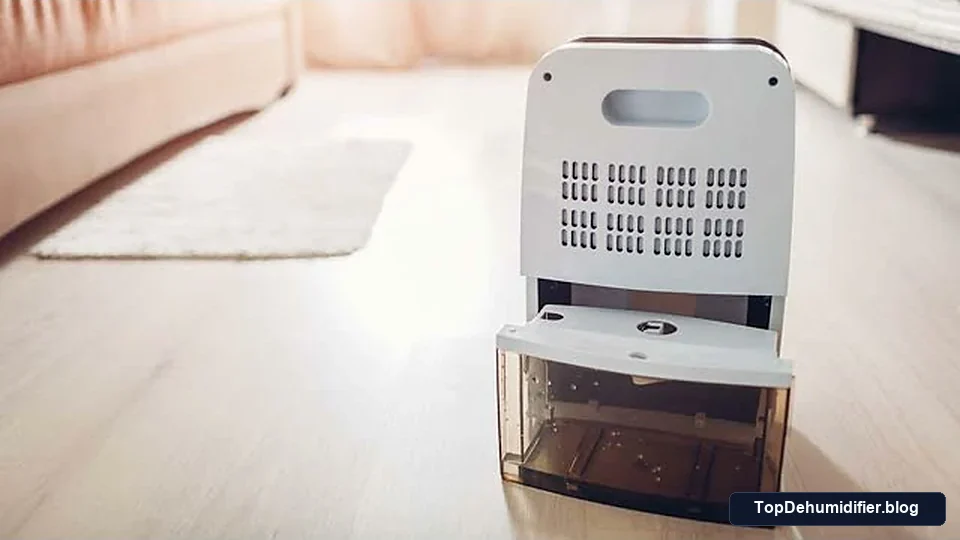
Dehumidifiers require adequate spatial clearance to dissipate heat effectively. Placing a unit tightly against a wall or inside a cramped utility closet restricts airflow and causes internal heat accumulation that triggers burning odors.
Manufacturers recommend maintaining at least twelve inches of open space around all intake and exhaust grilles. Proper ventilation keeps compressor operating temperatures within safe thresholds and prevents premature electrical insulation failure.
Operating dehumidifiers in extreme environments forces systems to work beyond capacity. Using our pint capacity calculator helps ensure proper sizing, preventing the extreme ambient strain that generates intense localized heat near wiring.
Avoid running appliances in dusty construction zones without specialized pre-filters. Heavy drywall dust rapidly clogs internal coils, choking airflow and creating severe thermal stress that produces noticeable burning smells from internal components.
- Maintain twelve inches of clearance around all vents.
- Never operate units inside tightly enclosed cabinets.
- Avoid running equipment outside recommended temperature ranges.
- Use specialized pre-filters in dusty renovation spaces.
Capacitor Degradation and Odor Signatures
Run capacitors store electrical energy to assist compressor and fan motor startup. Over years of service, internal dielectric fluid can leak, causing the cylindrical component to bulge and emit a distinct chemical burning odor.
A failing capacitor forces motors to struggle during startup, drawing massive current spikes. These electrical surges heat up supply wiring and damage internal control boards, resulting in widespread component scorching and permanent failure.
Technicians use digital multimeters with capacitance settings to verify microfarad ratings. Capacitors reading outside the manufacturer tolerance threshold must be replaced immediately to restore safe electrical operation across the entire appliance.
Always discharge old capacitors safely using an appropriate resistor tool before handling. Residual high-voltage charges stored inside these components present severe electrical shock hazards even after the dehumidifier is unplugged.
- Inspect run capacitors for physical bulging.
- Test microfarad values against manufacturer labels.
- Safely discharge capacitors before removal.
- Replace leaky or damaged capacitors promptly.
When to Retire and Replace the Unit
Older dehumidifiers featuring outdated wiring harnesses reach a definitive end-of-life stage. When persistent burning odors return despite thorough cleaning and part replacements, the appliance is beyond safe repair and must be retired.
Severe internal chassis scorching compromises structural and electrical integrity. Continuing to operate a severely heat-damaged dehumidifier introduces an unacceptable residential fire risk that far outweighs the replacement cost of a new unit.
Consult local municipal guidelines for proper electronic appliance recycling protocols. Many communities require professional refrigerant recovery before disposal, ensuring compliance with environmental safety standards for chlorofluorocarbons and modern hydrofluorocarbons.
Modern appliances feature advanced thermal overload sensors and flame-retardant plastics. Upgrading to a contemporary unit provides enhanced peace of mind through superior safety engineering and improved energy efficiency ratings.
- Retire units with recurring electrical burning odors.
- Recycle old appliances through municipal e-waste centers.
- Ensure proper refrigerant recovery before final disposal.
- Upgrade to models with modern thermal safety sensors.
Frequently Asked Questions
Is it safe to keep running my dehumidifier if it smells like burning?
No, you must unplug the power cord immediately to prevent dangerous electrical fires from starting inside your residential living space.
Persistent burning odors clearly indicate severe internal component overheating, degraded wiring insulation, or dangerous electrical short circuits that require thorough professional inspection before any safe operation can ever resume.
What causes a new dehumidifier to smell like burning?
Brand new units frequently emit a faint, temporary odor during their first few operating hours. This occurs as factory protective coatings and residual manufacturing oils burn off the warm internal heating elements and compressor surfaces.
However, if the smell resembles melting plastic or persists beyond forty-eight hours of continuous runtime, you should return the appliance or contact customer support for a warranty replacement immediately.
Can a dirty filter cause a burning smell in a dehumidifier?
Yes, severely restricted airflow caused by heavily clogged mesh filters forces the internal blower motor to work much harder. This extreme mechanical strain causes excessive heat buildup that chars accumulated dust particles and surrounding lint.
Washing your air filters every two weeks ensures proper ventilation and eliminates this common cause of unpleasant operational odors.
How do I know if the compressor motor is burning out?
Failing compressor motors typically emit a loud, continuous humming sound accompanied by a sharp electrical burning odor from the chassis. Additionally, the unit will fail to extract any moisture because the compressor shuts down on internal overload.
If you observe these exact symptoms, the sealed refrigeration system has likely suffered permanent mechanical damage.
Should I use an extension cord with my dehumidifier to prevent electrical issues?
Never plug a heavy-draw appliance like a dehumidifier into an extension cord or power strip under any circumstances. Extension cords increase electrical resistance and cause severe voltage drops that overheat wiring and trigger dangerous burning smells.
Always plug the unit directly into a properly grounded wall outlet equipped with ground fault circuit interrupter protection.