Normal Home Humidity in Winter: Ideal Ranges
Maintaining proper indoor moisture during freezing months protects structural integrity. Correct balancing prevents window condensation and mold.


Aim for 30 to 40 percent relative humidity indoors during winter. This specific range prevents structural rot while avoiding extreme static shocks.
Looking for matching picks? See our Best Dehumidifier For Winter Use.
Practical Quick-Reference Table
| Scenario / Metric | Recommended Target | Why It Matters |
|---|---|---|
| Outdoor Temp Below 20F | 30% Relative Humidity | Prevents severe window frost buildup. |
| Outdoor Temp 20F to 30F | 35% Relative Humidity | Balances comfort with structural safety. |
| Hygrometer Calibration | Plus or Minus 2 Percent | Ensures accurate indoor readings. |
| Basement Winter Target | 35 to 45 Percent | Stops subterranean moisture migration. |
| Living Area Target | 30 to 40 Percent | Protects drywall and wooden flooring. |
| Maximum Safe Ceiling | 45 Percent Relative Humidity | Eliminates winter condensation risks. |
Understanding Winter Indoor Moisture Dynamics
Cold exterior air naturally holds very little water vapor. When this dry air enters your home and warms up, its relative humidity drops significantly.
Conversely, daily household activities continuously release moisture indoors. You can estimate your vapor loads accurately by using our pint capacity calculator before selecting extraction equipment.
Without proper management, this trapped vapor migrates toward cold exterior walls. It condenses inside insulation assemblies, causing hidden structural damage over time.
Balancing this cycle requires understanding how outdoor temperatures dictate safe indoor limits. Lower outdoor readings demand lower indoor humidity targets to prevent frost.
- Cold air entering homes warms up and drops in relative humidity.
- Daily indoor activities release continuous moisture into living spaces.
- Trapped vapor migrates toward uninsulated exterior walls and cold corners.
- Outdoor freezing temperatures dictate strict maximum indoor moisture thresholds.
The Physics of Vapor Pressure Differentials
Indoor water vapor exerts continuous pressure against building envelopes. High indoor temperatures push this moisture outward through porous drywall and framing materials.
When moisture hits freezing exterior sheathing, it turns into liquid or frost. Controlling indoor humidity reduces this destructive vapor pressure gradient entirely.
- Warm indoor air creates high outward vapor pressure.
- Moisture travels through porous building materials toward cold zones.
Establishing Safe Target Ranges for Cold Weather
Determining the correct winter humidity level depends entirely on outdoor ambient temperatures. As the thermometer drops outside, your indoor target must decrease accordingly.
When outdoor temperatures fall below ten degrees Fahrenheit, indoor humidity should not exceed thirty percent. Exceeding this threshold guarantees heavy frost on glass.
Moderate winter days allow for targets around thirty-five percent. This slightly higher level improves respiratory comfort without risking hidden wall condensation.
Exceeding forty percent relative humidity during deep winter invites serious trouble. Mold thrives on cold window frames and poorly ventilated northern exterior walls.
- Match indoor humidity targets directly to outdoor weather conditions.
- Keep indoor levels near thirty percent during severe freezing snaps.
- Avoid pushing indoor humidity past forty percent in dead winter.
- Protect wooden framing by maintaining stable, moderate moisture levels.
Adjusting Targets for Glazing Performance
Double and triple-pane windows tolerate higher indoor moisture than single-pane glass. Check your window glass edges for early warning signs of condensation.
Water droplets on glass serve as your primary visual indicator. If beads form, lower your indoor humidity target by five percentage points immediately.
- Modern multi-pane windows resist condensation better than older units.
- Use window glass droplets as your immediate adjustment metric.
Video Walkthrough: Ask Andrew: Why indoor humidity matters during the cold season
Mitigating Condensation Risks on Windows and Walls
Condensation occurs when warm, moist indoor air contacts cold surfaces. Window glass usually reaches this dew point first because it lacks heavy insulation.
When water runs down window sills, it rots wooden frames and ruins drywall. Continuous moisture accumulation also fosters black mold colonies around seals.
Combat this by improving air circulation near exterior glass surfaces. Running ceiling fans on low speeds pushes warm air down against cold windows.
Pulling back heavy drapes at night allows room heat to reach glass. This simple thermal adjustment raises surface temperatures above the critical dew point.
- Surface temperatures dropping below the dew point cause liquid water.
- Running ceiling fans on low speeds improves window glass warmth.
- Opening heavy drapes allows ambient room heat to reach panes.
- Preventing sill puddles stops rotting wood and mold growth.
Insulating Cold Thermal Bridges
Framing studs and concrete foundation tops act as thermal bridges. These cold spots draw indoor moisture and condense it behind interior finishes.
Adding exterior continuous insulation eliminates these vulnerable thermal bridges. Proper insulation keeps interior framing warm enough to resist condensation.
- Thermal bridges pull winter cold straight into interior walls.
- Proper insulation raises framing temperatures above the dew point.
Balancing Mechanical Ventilation and Humidity Control
Tight modern homes trap stale air and moisture indoors effectively. Mechanical ventilation systems like energy recovery ventilators are essential for fresh air exchange.
Running bathroom exhaust fans during showers removes peak moisture loads. Leave these fans operating for twenty minutes after bathing finishes completely.
Kitchen range hoods venting outdoors remove cooking vapor instantly. Always activate your range hood when boiling water or simmering soups in winter.
Pairing targeted ventilation with the best whole home dehumidifier keeps indoor air fresh and dry. This dual approach ensures your property remains healthy throughout the cold winter heating season.
- Modern air-tight homes require intentional mechanical ventilation systems.
- Run bathroom exhaust fans for twenty minutes post-shower.
- Always use kitchen range hoods when cooking to vent steam.
- Fresh air exchange prevents indoor pollutant and moisture buildup.
Operating Exhaust Fans Correctly
Ensure your exhaust fans vent completely outside, never into attics. Venting into unconditioned attics creates severe roof deck mold issues.
Verify adequate makeup air exists when running powerful exhaust fans. Depressurization can pull combustion gases backward down furnace flues.
- Always duct exhaust fans directly to the building exterior.
- Prevent negative pressure from pulling furnace flue gases inside.
Monitoring Equipment and Hygrometer Placement
Accurate monitoring requires reliable digital hygrometers placed correctly. Never place hygrometers near exterior doors, windows, or direct heating vents.
Mount your monitoring devices on interior walls at eye level. Central living areas provide the most accurate representation of whole-house humidity.
Calibrate analog and digital hygrometers using the salt test method. This ensures your readings stay accurate within an acceptable two percent margin.
Check your humidity gauges weekly during the heating season. Consistent tracking catches creeping moisture levels before structural damage can occur.
- Place hygrometers on interior walls away from direct vents.
- Avoid positioning monitoring tools near drafty windows or doors.
- Calibrate devices regularly using standard salt test procedures.
- Check humidity levels weekly throughout the cold winter months.
The Salt Test Calibration Method
Mix table salt with a few drops of distilled water inside a small cap. Place the cap and your hygrometer inside a sealed plastic bag.
After six hours, the sealed air reaches seventy-five percent humidity. Adjust your digital or analog gauge to match this exact reference standard.
- Use pure table salt and distilled water for calibration.
- Seal the sensor inside a plastic bag for six hours.
Video Walkthrough: Effects of Low Humidity
Preventing Over-Drying and Static Electricity
While controlling excess moisture is vital, over-drying causes separate problems. Indoor humidity falling below twenty percent creates severe discomfort.
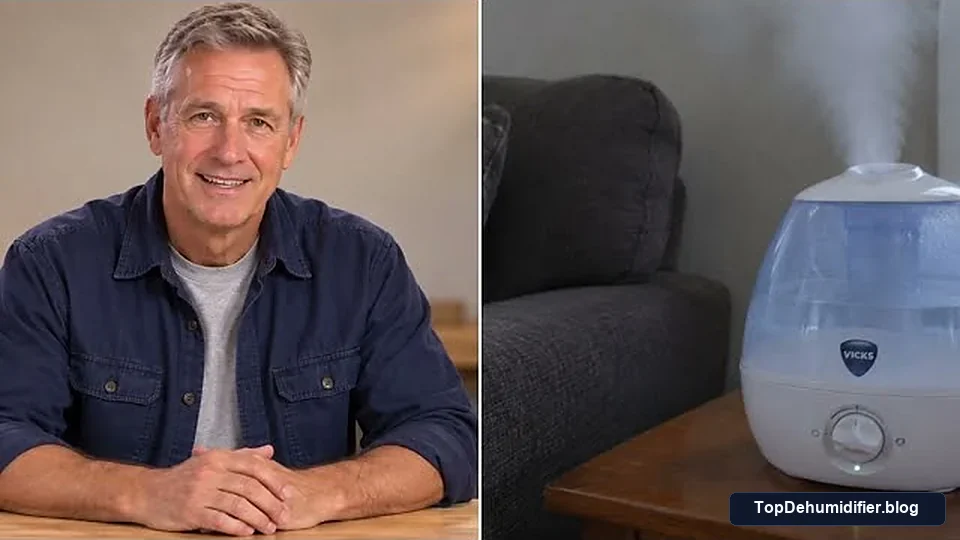
Extremely dry winter air dries out human nasal passages and skin. This low moisture level also increases susceptibility to airborne respiratory viruses.
Static electricity shocks become a constant annoyance in parched homes. Wool carpets and synthetic clothing accumulate high voltages without enough moisture.
Protect woodwork and musical instruments from cracking by maintaining stability. Hardwood floors shrink and separate when indoor air becomes too dry.
- Humidity falling below twenty percent causes severe health issues.
- Dry air irritates nasal passages and increases virus vulnerability.
- Low moisture creates annoying static electricity shocks on carpets.
- Over-drying causes hardwood flooring planks to shrink and crack.
Managing Whole-House Humidification Safely
If your home drops below thirty percent relative humidity, add moisture carefully. Before installing appliances, check our best dehumidifier for home gym roundup to understand proper sizing and moisture loads.
Clean humidifier reservoirs weekly to prevent bacterial and mold growth. Neglected units spray harmful biological contaminants straight through ductwork.
- Adjust furnace humidifiers downward during deep freezes.
- Clean water reservoirs weekly to prevent bacterial growth.
Technical Maintenance of Equipment in Cold Spaces
Unconditioned spaces like crawlspaces and unheated basements present freezing risks. Standard refrigerant dehumidifiers can freeze up and fail in cold zones.

Operating standard compressors below sixty-five degrees reduces efficiency dramatically. Frost forms rapidly on cooling coils, burning out the compressor motor.
Use low-temperature dehumidifiers equipped with hot gas defrost systems. These specialized units handle cooler basement conditions without suffering coil freeze-ups.
Insulate drainage hoses passing through unheated areas to prevent freezing. Frozen drain lines cause water backups and major indoor flooding disasters.
- Standard compressors fail when operated in cold winter spaces.
- Coil frost buildup destroys dehumidifier compressor motors quickly.
- Deploy low-temperature units equipped with active defrost cycles.
- Insulate drainage lines running through unheated crawlspaces.
Winter Storage and Frost Protection
If storing equipment in a freezing garage, drain water completely. Readers often review our dehumidifier vs humidifier for winter analysis before deciding which climate control device to store.
Clean the air filters thoroughly before putting any unit away. Storing damp filters promotes mold growth inside the dehumidifier housing.
- Drain all standing water before storing units in cold garages.
- Clean and dry air filters completely prior to off-season storage.
Frequently Asked Questions
What is the ideal indoor humidity for winter?
Aim for 30 to 40 percent relative humidity indoors during winter months. This specific target prevents destructive window condensation while avoiding dry skin.
Why does condensation form on winter windows?
Warm indoor air carries moisture that hits cold glass surfaces. When glass drops below the dew point, water droplets form instantly.
Can my house be too dry in the winter?
Yes, indoor humidity dropping below twenty percent causes severe issues. Parched air irritates respiratory passages and causes hardwood flooring to split.
How often should I check my winter humidity?
Check your digital hygrometer readings at least once per week. Consistent monitoring catches creeping moisture levels before mold can develop.
Do I need a special dehumidifier for cold basements?
Standard units freeze up in cold spaces below sixty-five degrees. Use specialized models featuring hot gas defrost technology for reliable performance.