Indoor Humidity Levels Summer: Guide
High summer moisture degrades indoor air quality and structural integrity. Maintaining correct vapor pressures prevents mold growth.


Keep indoor relative humidity between 30% and 50% during warm weather months. Exceeding this threshold invites rapid microbial proliferation and severe structural damage.
Ready to compare models? Start with our Best Dehumidifier: Top Picks for Basements & Homes.
Practical Quick-Reference Table
| Condition / Metric | Operational Target | Technical Significance |
|---|---|---|
| Living Areas | 45% to 50% RH | Prevents mold while maintaining human thermal comfort. |
| Basements | 35% to 40% RH | Counters cool foundation walls and high hydrostatic pressure. |
| Crawl Spaces | 50% RH max | Stops wood decay fungi and structural joist rotting. |
| Sleeping Quarters | 45% RH | Optimizes respiratory health and reduces dust mite populations. |
| Dew Point Target | 50°F to 55°F | Ensures condensation does not form on cold interior surfaces. |
| Air Exchange Rate | 0.35 ACH minimum | Guarantees adequate fresh air dilution without moisture overload. |
Understanding Summer Psychrometrics and Indoor Moisture Loads
Warm summer air holds significantly more water vapor than cold winter air. When this humid air infiltrates air-conditioned buildings, relative humidity spikes drastically across living spaces.
Sensible and latent heat create a heavy dual burden on mechanical systems. Review our dehumidifier vs humidifier comparison to properly manage warm seasonal moisture loads.
Vapor pressure differentials drive moisture migration through building envelopes continuously. Porous materials absorb this ambient moisture, raising indoor humidity even when windows remain tightly sealed.
- Monitor exterior dew points daily to gauge incoming moisture pressure.
- Seal rim joists and crawl space penetrations to block vapor migration.
- Understand that warm air holds exponentially more moisture grains per pound.
- Recognize latent heat loads as the primary driver of indoor summer clamminess.
Analyzing Infiltration Pathways
Air leakage through recessed lighting and plumbing chases pulls humid outdoor air inward. Blower door testing helps quantify these unwanted convective moisture pathways efficiently.
Attic bypasses create a stack effect that draws moist air upward through the structure. Insulating and air-sealing these upper thermal boundaries stops convective moisture loops.
- Inspect attic hatches for tight weatherstripping seals.
- Caulk sole plates and wall penetrations thoroughly.
Establishing Optimal Summer Humidity Setpoints and Comfort Zones
Human thermal comfort relies heavily on evaporative cooling from the skin. Maintaining indoor relative humidity near fifty percent allows proper perspiration evaporation without sticky discomfort.
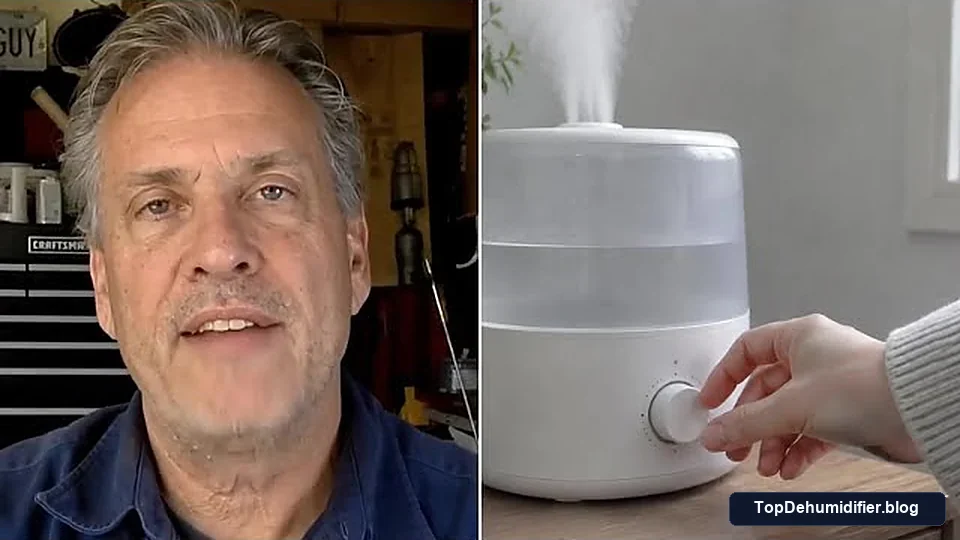
Indoor relative humidity must never exceed sixty percent during peak summer operation. Sustained humidity above this threshold triggers rapid dust mite reproduction and mold colonization.
Extremely low humidity below thirty percent causes dry mucous membranes and static electricity. Balance is essential for structural preservation and human respiratory health alike.
- Target 45% to 50% RH for optimal summer indoor comfort.
- Avoid dropping humidity below 30% to prevent static and cracking.
- Keep bedroom humidity strictly under 50% for restorative sleep.
- Use programmable humidistats to maintain steady daily conditions.
Balancing HVAC and Portable Dehumidifier Setpoints
Central air conditioners remove moisture during the cooling cycle but often short-cycle. Adding a standalone dehumidifier prevents over-cooling while achieving precise moisture removal goals.
Set your central air conditioner slightly higher when running standalone units. Read our dehumidifier vs air conditioner comparison to optimize your residential climate control strategy.
- Calibrate both systems so they do not fight each other.
- Prioritize dehumidifier operation during shoulder seasons.
Video Walkthrough: What Is the Ideal Humidity Level for Comfortable Homes?
Mechanical Sizing and Extraction Capacity Calculations for Warm Weather
Dehumidifier capacity is measured in pints of water removed per twenty-four hours. Sizing depends on square footage, ceiling height, and baseline moisture severity within the space.
Extremely damp basements require high-capacity appliances to combat severe moisture. Read our lg puricare vs frigidaire analysis before selecting units for challenging residential spaces.
Manufacturer ratings assume aggressive testing conditions that rarely match real residential environments. Always scale your capacity requirements upward for warm, exceptionally humid regional climates.
- Calculate square footage meticulously before selecting extraction capacity.
- Choose larger pint ratings for naturally damp subterranean levels.
- Verify AHAM test conditions versus real-world operating temperatures.
- Account for high occupancy and indoor plant moisture contributions.
Interpreting Pints-Per-Day Ratings
A standard seventy-pint unit handles large, open-concept damp basements effectively. Smaller thirty-pint appliances suit localized bedrooms, home offices, or tightly sealed utility rooms.
Check compressor wattage and airflow cubic feet per minute ratings alongside capacity. High CFM values ensure rapid air turnover and uniform moisture extraction throughout the room.
- Match room volume directly to manufacturer sizing charts.
- Prioritize higher CFM ratings for large open spaces.
Proper Placement Strategies and Airflow Dynamics in Living Spaces
Strategic placement maximizes appliance efficiency and accelerates moisture removal across the room. Position units centrally with unobstructed clearance around intake and exhaust grilles.

Never push dehumidifiers tightly against interior walls or bulky living room furniture. Maintaining at least twelve inches of clearance guarantees optimal airflow and prevents overheating.
Basements require units placed near the primary moisture source or sump basin. In living areas, position equipment where natural convection currents circulate treated air freely.
- Maintain 12 inches of clearance around all appliance vents.
- Keep units away from direct heat sources and solar radiation.
- Position appliances centrally to promote balanced indoor air mixing.
- Avoid confining units inside small, unventilated closets or cabinets.
Optimizing Airflow with Auxiliary Fans
Stagnant air pockets retain localized moisture even when central dehumidifiers run continuously. Deploying oscillating circulation fans breaks up dead zones and accelerates overall drying.
Direct auxiliary airflow across damp concrete floors or crawl space perimeters. This mechanical assistance speeds up moisture liberation into the ambient room air.
- Use low-profile circulation fans in tight subfloor zones.
- Angle fans to prevent direct wind chill on occupants.
Calibration, Hygrometer Placement, and Sensor Accuracy Maintenance
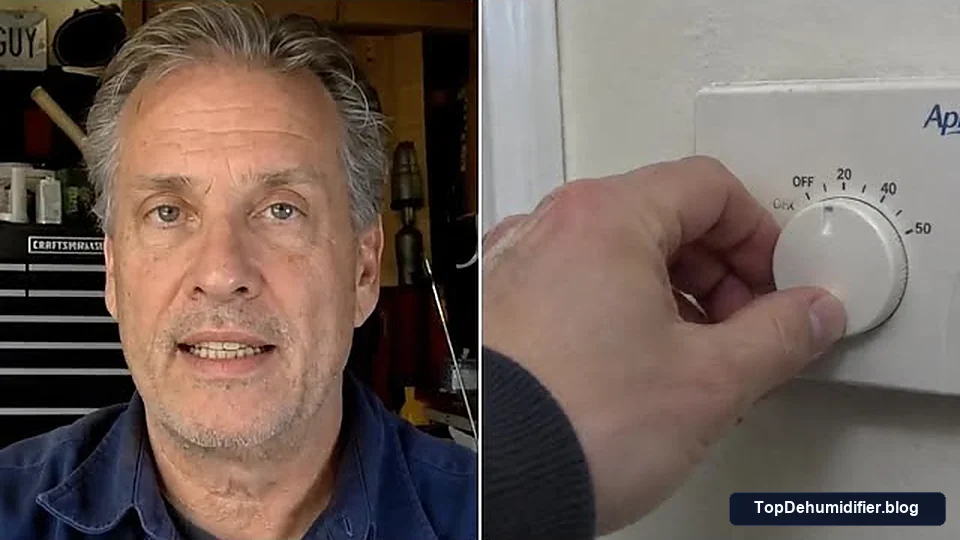
Built-in humidistats often read ambient conditions inaccurately due to internal heat generation. Always verify actual relative humidity using an independent, calibrated digital hygrometer.
Place your reference hygrometer at mid-height away from direct air conditioner discharge vents. Avoid exterior walls or windows that skew readings through thermal conduction.
Perform annual salt calibration tests to ensure absolute hygrometer accuracy. Use our pint capacity calculator alongside accurate humidity readings to size your room equipment properly.
- Test hygrometer accuracy using the reliable salt slurry method.
- Position reference meters away from direct supply air ducts.
- Calibrate built-in humidistats according to manual instructions.
- Replace aging sensor batteries before every summer season.
Executing the Salt Slurry Test
Mix table salt with distilled water until it forms a wet slurry inside a sealed bag. Insert your hygrometer and check the reading after six hours.
A properly calibrated device should display exactly seventy-five percent relative humidity. Adjust any variance using the calibration screw or digital offset settings available.
- Use pure table salt and distilled water only.
- Seal the testing bag completely to block ambient air.
Video Walkthrough: Why 50% goes wrong in January
Mitigating Common Summer Condensation and Ventilation Pitfalls
Opening windows during hot, humid summer days introduces massive moisture loads instantly. Keep windows sealed tightly when outdoor dew points exceed indoor targets.
Exhaust fans in bathrooms and kitchens must vent directly outdoors every single time. Failing to exhaust cooking and shower humidity overburdens your primary dehumidification equipment.
Check air conditioning condensate lines frequently for clogs or algae blockages. Standing water inside drip pans elevates indoor vapor pressure and creates foul odors.
- Run bathroom exhaust fans for twenty minutes post-shower.
- Keep exterior doors and windows closed during high humidity alerts.
- Inspect HVAC condensate drain lines for smooth water flow.
- Vent clothes dryers strictly to the exterior environment.
Managing Basement and Crawl Space Vapors
Never leave crawl space vents open during humid summer weather conditions. Open vents allow warm moisture-laden air to condense against cold subfloor joists.
Install a heavy-duty polyethylene vapor barrier across the entire crawl space floor. Overlap seams by twelve inches and seal them securely with waterproof mastic tape.
- Seal crawl space vents tightly during the summer.
- Cover bare earth with thick vapor retarder sheeting.
Routine Maintenance Protocols for Peak Season Efficiency
Air filters trap airborne dust, pet dander, and mold spores during operation. Wash mesh filters every two weeks with warm water and mild dish detergent.
Dirty coils reduce heat exchange efficiency and cause compressors to overheat rapidly. Inspect evaporator and condenser coils monthly for lint and particulate accumulation.
Clean the condensate collection bucket regularly to prevent biological slime growth. If utilizing continuous gravity drainage, flush the hose lines with vinegar periodically.
- Wash removable air filters every fourteen operating days.
- Inspect coils for dust buildup and wash gently.
- Sanitize water collection buckets with a dilute bleach solution.
- Test internal float switches to prevent accidental overflows.
Winter Storage and Off-Season Prep
Thoroughly dry the interior reservoir and coils before storing your unit for winter. Store the appliance upright in a temperature-controlled area to protect electronics.
Inspect the power cord for cracks, frays, or loose ground prongs before storing. Proper off-season care guarantees reliable performance when summer moisture returns next year.
- Drain all residual water completely before long-term storage.
- Wrap power cords securely around integrated storage hooks.
Frequently Asked Questions
What is the ideal indoor humidity level for summer?
Maintaining indoor relative humidity between 45% and 50% during warm summer months effectively prevents structural moisture damage and dangerous mold colonization across all living spaces.
This precise operational threshold completely stops dust mite proliferation while maintaining exceptional indoor air quality and optimal human thermal comfort throughout the entire residential property.
Why does my air conditioner struggle with summer humidity?
Standard air conditioning systems primarily focus on sensible temperature reduction rather than dedicated latent moisture extraction across your residential living spaces.
When outdoor dew points spike drastically, these cooling units often short-cycle before removing sufficient water vapor, leaving indoor environments feeling clammy, humid, and uncomfortably damp, thus requiring supplementary dehumidification equipment.
How can I accurately measure my home humidity?
Accurate humidity measurement requires placing an independent digital hygrometer at mid-height away from direct airflow and thermal radiation sources across the room.
You should always verify sensor calibration annually using the reliable salt slurry test method to ensure your reading accuracy remains within acceptable residential tolerances for climate control.
Should I open basement windows during humid summer days?
Opening basement or crawl space windows during warm summer days introduces massive moisture loads that rapidly condense against cool subterranean foundation walls.
You must keep all lower-level windows tightly sealed whenever outdoor dew points exceed your indoor target relative humidity levels to prevent hazardous mold growth and structural decay.
What causes frost or ice to form on a dehumidifier?
Ice formation on dehumidifier coils typically occurs when ambient operating temperatures drop below the manufacturer recommended threshold of sixty-five degrees Fahrenheit.
Running these heavy-duty appliances in excessively cold spaces prevents proper heat exchange and forces the refrigerant coils to freeze solid during continuous operation, requiring immediate power interruption.