Dehumidifier vs Humidifier For Summer: Complete Technical Guide
Summer indoor environments require precise moisture management across diverse regional climates. Understanding core thermodynamic differences protects structural integrity and enhances personal comfort throughout the grueling summer season.


Choose a refrigerant dehumidifier to extract muggy ambient moisture and prevent mold growth during hot months. Select a cool mist humidifier only in exceptionally arid desert climates where air conditioning over-dries living spaces.
Compare all top models in our Best Dehumidifier: Top Picks for Healthy Indoor Air.
Side-by-Side Breakdown
| Criteria | Dehumidifier | Humidifier For Summer | Edge |
|---|---|---|---|
| Core Design / Build | Compressor refrigeration loops with evaporator and condenser coils. | Ultrasonic transducers or evaporative wicks with internal fans. | Dehumidifier |
| Real-World Performance | Extracts pints of liquid water daily from humid air streams. | Adds moisture vapor into dry ambient air environments rapidly. | Dehumidifier |
| Ease of Setup & Use | Requires continuous drainage placement or manual bucket emptying. | Demands regular water tank refills and antimicrobial treatments. | Dehumidifier |
| Durability & Reliability | Heavy-duty compressors engineered for multi-season continuous operation. | Lightweight plastic reservoirs susceptible to mineral scaling buildup. | Dehumidifier |
| Efficiency / Operating Footprint | Higher wattage draw averaging 300 to 700 watts during cooling. | Lower wattage draw typically ranging from 30 to 100 watts. | Humidifier For Summer |
| Maintenance Requirements | Frequent bucket cleaning and annual condenser coil dusting cycles. | Daily tank scrubbing and weekly anti-scale disinfection routines. | Dehumidifier |
| Best Ideal Use Case | Basements and coastal homes battling high relative humidity levels. | Arid desert bedrooms experiencing severe air conditioning dryness. | Dehumidifier |
Thermodynamic Principles and Summer Climate Dynamics
Summer weather introduces unique atmospheric challenges that directly affect indoor air quality and structural stability. Managing relative humidity levels requires understanding how heat interacts with suspended water vapor inside residential spaces.
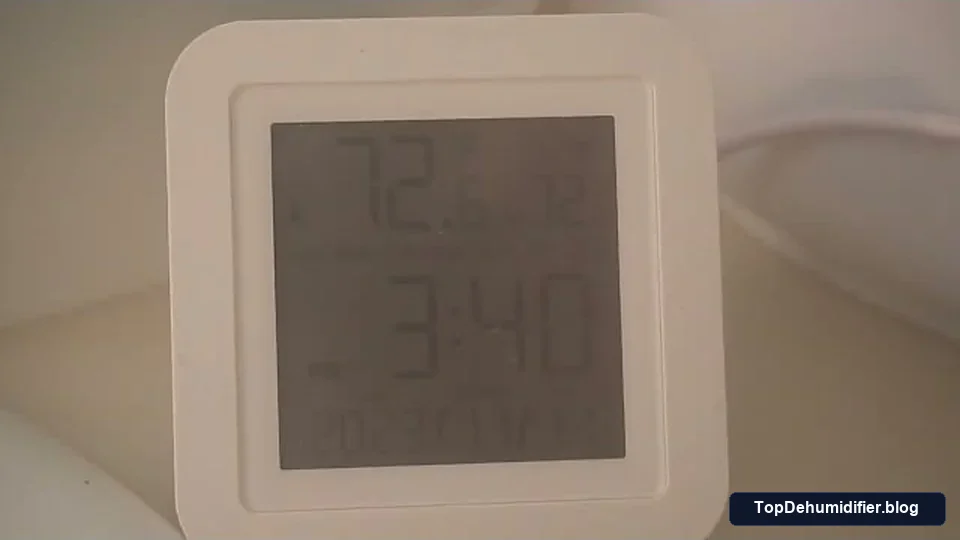
High dew points create uncomfortable living conditions that encourage mold proliferation across drywall and wooden framing. Selecting the correct atmospheric appliance depends heavily on your specific geographical microclimate and regional weather patterns.
- Coastal regions experience high ambient vapor pressure requiring aggressive moisture removal.
- Desert environments create extreme dryness that forces air conditioning units to run constantly.
- Indoor relative humidity should remain between thirty and fifty percent for health.
Evaluating Regional Humidity Variations
Geographic location dictates whether you need moisture extraction or moisture addition during warm months. High humidity feels significantly warmer due to reduced sweat evaporation rates on human skin.
Conversely, desert regions drop below safe humidity thresholds, causing respiratory irritation and static electricity buildup indoors. Technical equipment must match these distinct external atmospheric realities.
- Measure daily relative humidity using a calibrated digital hygrometer.
- Assess local weather data before selecting heavy mechanical climate control devices.
The Physics of Air Saturation
Warm air holds significantly more moisture than cold air, altering indoor saturation points dramatically. When air conditioning cools a humid room, condensation often forms on cold interior surfaces.
Balancing temperature reduction with moisture extraction protects valuable household possessions. Selecting the best dehumidifier for basement spaces prevents damp syndromes and irreversible structural damage over time.
- Saturation points shift upward as ambient summer temperatures increase.
- Condensation leads directly to structural rot and fungal colonization.
Mechanical Architecture and Moisture Extraction Mechanics
Dehumidifiers utilize closed-loop refrigeration systems to force moisture out of ambient air streams. Fans draw humid air across cold evaporator coils, causing water vapor to condense rapidly into liquid droplets.
Collected water drips steadily into an internal bucket or flows through a gravity drain hose. This mechanical process actively lowers the dew point inside enclosed residential living spaces.
- Refrigerant compressors circulate through copper tubing to chill evaporator coils.
- Condensate gravity drainage eliminates the need for manual bucket interruptions.
Compressor Versus Thermoelectric Designs
Standard compressor models offer high extraction capacities suitable for large multi-room residential zones. They rely on traditional refrigeration cycles to pull high volumes of water from humid air.
Thermoelectric units use Peltier elements for small spaces like closets or RVs, offering near-silent operation with lower extraction rates. Choosing the right architecture depends on room dimensions.
- Compressor units handle up to fifty pints or more daily.
- Peltier units suit small, enclosed spaces with minimal moisture loads.
Humidifier Vaporization Technologies
Summer humidifiers deployed in arid zones typically utilize ultrasonic transducers or evaporative wicks. Ultrasonic models vibrate ceramic disks at high frequencies to project a fine cool mist.
Evaporative units draw dry air through saturated filter media, naturally adding moisture without creating mineral dust. Meanwhile, exploring the best dehumidifier for bathroom spaces controls excess dampness.
- Ultrasonic transducers create microscopic water droplets via high-frequency sound waves.
- Evaporative wicks provide self-regulating output based on ambient dryness.
Indoor Air Quality, Health Impacts, and Mold Prevention
Maintaining optimal indoor humidity directly influences human respiratory health and structural longevity. Excess moisture fosters dust mite populations and toxic mold colonies that trigger severe allergic reactions.
Deploying the best dehumidifier for bedroom use during muggy weeks drastically reduces airborne allergens and improves overall breathing comfort for sensitive household occupants.
- Mold spores germinate rapidly when relative humidity exceeds sixty percent.
- Dust mites thrive in warm, damp environments common during summer months.
Respiratory Considerations in Arid Climates
Desert summer conditions cause mucous membranes to dry out, increasing susceptibility to viral infections. A summer humidifier introduces necessary moisture to soothe irritated nasal passages and throats.
Balancing indoor moisture prevents the bleeding noses and scratchy throats frequently caused by aggressive air conditioning running continuously throughout scorching afternoons.
- Dry air irritates delicate respiratory tissue during peak summer heat.
- Proper hydration of indoor air supports healthy mucosal immune responses.
Controlling Microbial Growth Risks
Stagnant water inside poorly maintained humidifiers can aerosolize bacteria and mold spores directly into breathing zones. Strict cleaning protocols remain essential for any moisture-adding appliance.
Dehumidifiers collect water into sealed reservoirs, but neglected buckets still risk growing mold if left unemptied for extended periods during humid summer intervals.
- Empty and sanitize water reservoirs every three days without fail.
- Use distilled water in humidifiers to prevent mineral dust distribution.
Energy Consumption, Power Draw, and Electrical Efficiency
Electrical consumption represents a major operational factor when running climate control equipment all summer. Refrigerant dehumidifiers consume substantial wattage to power compressors and heavy-duty circulation fans.
Understanding these electrical loads helps homeowners manage utility bills effectively while maintaining comfortable indoor atmospheric conditions throughout peak summer cooling seasons.
- Dehumidifiers typically draw between three hundred and seven hundred watts.
- Continuous compressor operation increases monthly household electricity expenditures.
Calculating Operational Wattage Costs
High-capacity dehumidifiers require dedicated electrical circuits to prevent tripped breakers during startup surges. Energy Star certified units utilize advanced compressors to minimize daily power waste.
Summer humidifiers demand significantly less electricity, usually operating between thirty and one hundred watts depending on the specific mist generation mechanism utilized.
- Check local utility rates to estimate seasonal operating expenses.
- Energy Star ratings identify high-efficiency moisture management appliances.
Thermostat Interactions and Heat Output
Dehumidifiers emit minor waste heat from their condenser coils during the extraction process. This slight temperature increase forces air conditioners to work marginally harder in confined spaces.
Cool mist humidifiers provide a slight evaporative cooling effect, dropping local ambient temperatures by a fraction of a degree while raising relative humidity levels.
- Compressor appliances discharge warm air exhaust into the room.
- Evaporative systems offer negligible cooling benefits in arid settings.
Noise Profiles, Acoustic Output, and Living Space Ergonomics
Acoustic performance dictates where you can place climate control equipment within your home. Dehumidifiers generate noticeable compressor hum and fan whir that can disrupt sleep if placed improperly.
Selecting units like the best dehumidifier for basement with drain hose setups ensures quiet operation in living areas where excessive mechanical noise becomes intolerable during quiet summer evenings.
- Standard dehumidifiers produce between fifty and sixty decibels of noise.
- Ultrasonic humidifiers operate near silently, registering under thirty-five decibels.
Optimizing Placement for Sound Reduction
Positioning heavy equipment on vibration-dampening mats significantly reduces structural resonance through wooden floors. Hard surfaces amplify compressor hum, creating annoying buzzing sounds throughout adjacent rooms.
Humidifiers require stable, elevated surfaces away from electronics to prevent moisture damage from heavy mist fallout near the device base.
- Use rubber isolation pads underneath compressor feet.
- Keep mist outlets away from wooden television stands and bookshelves.
Ergonomic Handling and Portability
Moving heavy, water-filled appliances requires sturdy side handles and smooth-rolling caster wheels. Dehumidifiers weigh significantly more due to internal compressors and heavy metal heat exchangers.
Summer humidifiers feature lightweight plastic reservoirs that lift off easily for sink filling, offering superior ergonomic handling for users with limited physical strength.
- Caster wheels simplify moving heavy dehumidifiers between rooms.
- Removable tanks ease daily maintenance routines for humidifiers.
Maintenance Protocols, Drainage Systems, and Filter Hygiene
Rigorous maintenance ensures long operational lifespans for all technical moisture control equipment. Dehumidifiers require regular air filter cleaning to maintain unobstructed airflow across frosted evaporator coils.
Neglecting basic upkeep leads to reduced extraction efficiency, frozen coils, and potential motor burnout during peak summer demand periods when humidity levels peak.
- Wash mesh air filters every two weeks with mild dish soap.
- Inspect condensate drain lines regularly to prevent sudden water overflows.
Managing Continuous Drainage Setups
Gravity drainage configurations require a downward slope toward a floor drain or sump pit. Installing internal condensate pumps allows water to push upward through vinyl tubing to elevated windows.
Checking anti-sludge tablets inside collection buckets prevents slimy biological growth from clogging discharge valves during prolonged periods of unattended summer operation.
- Ensure secure hose connections to prevent accidental basement floods.
- Test internal condensate pumps monthly during heavy usage seasons.
Disinfecting Humidifier Reservoirs
Standing water inside summer humidifiers breeds bacteria rapidly when left untreated for days. Weekly disinfection using dilute vinegar solutions eliminates mineral scale and harmful microbial buildup.
Replacing evaporative wicks seasonally prevents musty odors and maintains proper moisture output efficiency throughout the warm summer months in dry regional climates.
- Scrub internal water basins thoroughly with antibacterial cleaners.
- Replace disposable wick filters at the start of every season.
Strategic Deployment Scenarios for Residential Environments
Selecting between a dehumidifier and a humidifier depends strictly on your indoor climate data. Coastal basements, damp crawlspaces, and humid southern homes mandate powerful refrigerant dehumidifiers.
Arid mountain retreats and desert bedrooms experiencing intense air conditioning dryness require cool mist humidifiers to restore safe, breathable atmospheric moisture balances.
- Basements require continuous dehumidification to prevent structural mold.
- Desert bedrooms need humidification to protect dry respiratory tissues.
Multi-Room Versus Targeted Room Strategies
Whole-house integration systems connect directly to central HVAC ductwork for seamless humidity control. Portable standalone units offer flexible targeted relief for specific problem areas in older homes.
Matching appliance capacity to square footage prevents short-cycling and ensures thorough air processing across every corner of your residential living space.
- Calculate room square footage before purchasing climate appliances.
- Central HVAC integration manages whole-house humidity efficiently.
Final Decision Framework for Homeowners
Analyze your digital hygrometer readings carefully before investing in summer climate equipment. If relative humidity exceeds sixty percent, purchase a robust compressor dehumidifier immediately.
If indoor humidity drops below thirty percent due to heavy air conditioning use in dry regions, select an ultrasonic cool mist humidifier to restore comfort.
- Prioritize dehumidifiers for muggy, mold-prone summer environments.
- Choose humidifiers only when combating extreme indoor dryness.
Frequently Asked Questions
Should I run a dehumidifier and air conditioner simultaneously?
Running both simultaneously provides optimal comfort in extremely humid regions. The air conditioner cools the air while the dehumidifier extracts excess ambient moisture to prevent dampness.
Why is my summer humidifier causing white dust on furniture?
Tap water contains dissolved minerals that ultrasonic transducers aerosolize into the air. Using distilled water prevents mineral dust accumulation across your surrounding living surfaces.
Can a dehumidifier make a hot summer room feel cooler?
Lowering relative humidity improves sweat evaporation rates on human skin. This process makes the room feel noticeably cooler without changing actual air temperatures.
How often should I clean my dehumidifier water collection bucket?
You should wash the collection bucket every three days with soap. This habit prevents slippery mold growth and eliminates unpleasant stagnant odors in your home.
Is it normal for a dehumidifier to blow warm exhaust air?
Compressor dehumidifiers discharge minor waste heat from their condenser coils during operation. This minor temperature increase is normal and part of the moisture extraction process.