Ideal Humidity Level in Basement During Summer
Maintaining proper basement moisture prevents mold growth during hot months. Understanding seasonal dew points ensures structural integrity.


Keep your subterranean space between 30 to 50 percent relative humidity during peak summer months to eliminate mold risks and structural decay.
Ready to compare models? Start with our Best Dehumidifier: Top Picks for Basements & Homes.
Practical Quick-Reference Table
| Condition / Metric | Operational Target | Technical Significance |
|---|---|---|
| Peak Summer Target | 30% - 50% RH | Prevents fungal spore germination. |
| Basement Dew Point | Below 55°F | Stops condensation on cold masonry. |
| Unit Sizing Rule | 50-Pint Capacity | Covers up to 2,500 square feet. |
| Airflow Clearance | 12 Inches Minimum | Ensures proper evaporator coil intake. |
| Drainage Setup | Continuous Gravity Hose | Avoids manual bucket emptying cycles. |
| Filter Inspection | Every 14 Days | Maintains static pressure and efficiency. |
Decoding Basement Moisture Physics in Summer
Warm outdoor air carries massive amounts of invisible moisture into cooler subterranean environments daily. When this humid air contacts cold foundation walls, condensation immediately forms and triggers rapid mold development.
Relative humidity measures the current water vapor against the maximum capacity at that specific temperature. Because basements remain naturally cold, their relative humidity spikes dangerously during intense summer heatwaves.
Condensation on concrete floors and masonry walls indicates that the surface temperature has fallen below the local dew point. Monitoring this specific thermal threshold is essential for effective climate control engineering.
Establishing a strict 50 percent upper threshold stops fungal spores from germinating across vulnerable wooden joists and drywall. Exceeding this boundary for over forty-eight hours invites severe structural wood rot.
- Measure surface temperatures with an infrared thermometer.
- Track dew point shifts using a digital hygrometer.
- Seal exterior foundation cracks to block vapor infiltration.
Thermal Dynamics of Subterranean Walls
Foundation walls act as massive thermal sinks throughout the entire summer season. This constant cooling effect turns structural masonry into natural moisture magnets without proper insulation barriers.
Insulating basement rim joists significantly reduces warm outdoor air entering the cavity. Pairing this insulation with a top-rated unit from our best basement dehumidifier with drain hose selection stabilizes internal humidity parameters effectively.
- Install rigid foam board insulation.
- Caulk sill plate gaps completely.
- Monitor foundation thermal gradients.
Sizing Your Dehumidifier for Subterranean Spaces
Selecting the correct extraction capacity prevents continuous compressor wear while maintaining your target relative humidity. Manufacturers rate units by the total pints of water extracted over a twenty-four-hour period.
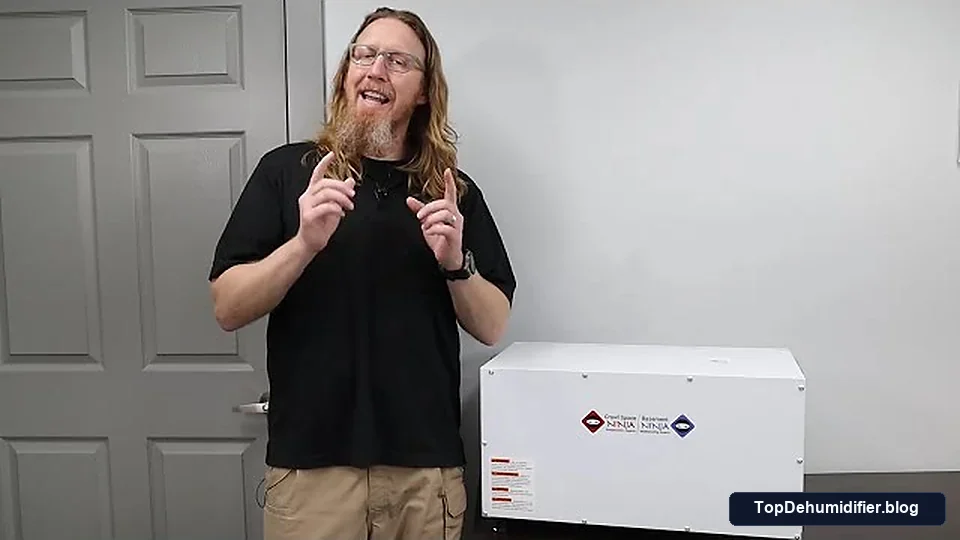
Choosing a model from our best basement dehumidifier guide ensures your subterranean space gets a 50-pint capacity unit matched to square footage. Extremely wet levels demand larger 70-pint models to handle heavy moisture.
Undersized equipment runs continuously without reaching the setpoint, leading to premature compressor failure and inflated electricity bills. Over-sizing wastes capital expenditure and rarely removes enough latent humidity efficiently.
Evaluate your space's moisture severity by checking for musty odors or damp spots. Use our pint capacity calculator tool to determine if severe conditions require stepping up to a larger size.
- Calculate total square footage accurately.
- Assess existing moisture severity levels.
- Verify Energy Star ratings for efficiency.
Interpreting Manufacturer Pint Ratings
Standard AHAM testing conditions operate at eighty degrees Fahrenheit and sixty percent relative humidity. Real basement environments run colder, meaning actual extraction rates will drop below the advertised label.
Factor in a twenty-percent safety margin when selecting your mechanical equipment to compensate for cooler subterranean temperatures. This margin ensures reliable performance during peak summer humidity spikes.
- Adjust expectations for cool basements.
- Review AHAM rating test parameters.
- Account for ambient temperature drops.
Video Walkthrough: What is the Ideal Humidity Level for a Basement? | Olson Foundation Repair
Precise Placement and Calibration Workflows

Strategic unit placement maximizes airflow circulation and ensures rapid moisture extraction across every corner of the room. Position your device centrally in the basement with unobstructed clearance on all sides.
Maintain at least 12 inches of clearance around the air intake grilles and exhaust ports to prevent thermal overloading. Restricted airflow forces the compressor to overheat and reduces overall dehumidification efficiency.
Calibrate your built-in humidistat using a secondary digital hygrometer placed across the room. Adjust the target setpoint until the hygrometer reads a stable forty-five percent relative humidity consistently.
Avoid placing the appliance directly against cold foundation walls or inside cramped storage alcoves. Poor positioning traps humid microclimates and prevents the system from sampling the main room air properly.
- Place unit in the central open area.
- Keep intake grilles away from walls.
- Calibrate internal humidistat accurately.
Optimizing Airflow with External Fans
Stagnant basement corners often trap pockets of high humidity even when the main unit functions properly. Introduce a small oscillating fan to circulate heavy air toward the mechanical intake port.
Direct the auxiliary fan airflow parallel to the floor rather than aiming it directly at the dehumidifier. This creates a circular room draft that continuously sweeps moisture toward the extraction zone.
- Use low-wattage oscillating fans.
- Create a continuous circular draft.
- Avoid blowing air into cold corners.
Operational Mistakes and Advanced Troubleshooting
Homeowners frequently set their target humidity too low, causing the compressor to run constantly without achieving further dryness. Aiming for a realistic 45 percent relative humidity protects equipment health.
Ignoring frost buildup on evaporator coils during cooler summer nights represents another critical operational error. Low ambient temperatures cause coils to freeze, blocking airflow and burning out internal motor windings.
When frost appears, activate the automatic defrost cycle or temporarily relocate the unit to a warmer space. Never scrape ice off aluminum coils with sharp metal tools to avoid puncturing refrigerant lines.
Inspect power supplies immediately if the unit fails to start after a heavy summer thunderstorm. Tripped internal overload switches require a manual reset period before safe mechanical operation can resume.
- Avoid setting humidity below 35 percent.
- Never scrape frost with sharp objects.
- Allow thermal overload switches to reset.
Resolving Compressor Short-Cycling Issues
Short-cycling occurs when the compressor turns on and off rapidly without extracting adequate moisture from the room air. This damaging behavior destroys electrical relays and overheats the main motor windings quickly.
Verify that your humidistat sensor is not located directly in the cold exhaust stream of the appliance. Relocate external monitoring tools to correct false readings and stop rapid compressor cycling patterns.
- Check humidistat sensor placement.
- Clean blocked air filters thoroughly.
- Inspect electrical relay connections.
Routine Maintenance Protocols for Maximum Lifespan
Consistent maintenance ensures your appliance operates at peak efficiency throughout the demanding summer season. Clean washable mesh air filters every two weeks to prevent dust accumulation and maintain proper static pressure.

Wash filters gently using warm water and mild dish soap, then allow them to dry completely before reinstallation. Operating a machine with a dirty filter restricts airflow and strains the internal fan motor.
Inspect the condensate collection bucket weekly for slime, mold, or mineral buildup inside the reservoir. Scrub the basin with a diluted bleach solution periodically to prevent biological growth and unpleasant odors.
Clean the exterior housing using a damp microfiber cloth while the unit remains unplugged from the wall outlet. Avoid spraying water directly onto electronic control panels to prevent permanent short-circuit damage.
- Wash mesh filters every fourteen days.
- Sanitize condensate buckets weekly.
- Keep electronic control boards dry.
Deep Cleaning Evaporator Coils
Dust particles bypass mesh filters and accumulate on cold evaporator coils over months of continuous operation. This insulating layer reduces heat exchange efficiency and forces the compressor to work harder.
Use a specialized non-toxic coil cleaner spray designed for HVAC equipment during your annual spring service. Carefully wipe away loosened debris to restore optimal thermal transfer across the aluminum fins.
- Unplug unit before servicing coils.
- Apply approved HVAC coil cleaner.
- Rinse gently without bending fins.
Electrical Safety and Drainage Engineering Standards
Basement environments demand strict adherence to electrical safety standards due to ambient moisture. Always plug units recommended in our consumer reports basement dehumidifier overview into a GFCI-protected electrical outlet.
Never use extension cords or household power strips to power high-draw heating and cooling appliances. Extension cords increase electrical resistance, generating excessive heat that can easily melt insulation and start fires.
Implement a gravity drainage hose setup to avoid the tedious chore of manually emptying collection buckets daily. Ensure the vinyl hose slopes continuously downward toward a nearby floor drain without any upward kinks.
If gravity drainage is impossible, install an external condensate pump with a reliable safety overflow switch. Test the pump float mechanism monthly to prevent accidental basement flooding during severe weather events.
- Use dedicated GFCI wall outlets.
- Never connect via extension cords.
- Install continuous gravity drainage lines.
Maintaining Condensate Pump Systems
Condensate pumps rely on small mechanical float switches to lift water vertically out of subterranean basements. Debris accumulation can jam this delicate float, causing water to overflow into the surrounding living space.
Flush the pump reservoir with warm water and vinegar quarterly to dissolve mineral deposits and biological slime. Test the automatic activation level by lifting the float manually before leaving the system unattended.
- Flush pump basin with vinegar.
- Test float switch operation monthly.
- Inspect discharge tubing for clogs.
Frequently Asked Questions
What is the exact ideal humidity level for a basement in summer?
Maintain your basement relative humidity between 30 and 50 percent throughout the summer months to prevent mold growth. Exceeding this upper boundary for prolonged periods will trigger structural wood rot and musty odors.
Can I leave my basement dehumidifier running unattended 24/7?
Yes, you can run your dehumidifier continuously provided you install a reliable continuous drainage hose or a pumped system. Always ensure the appliance plugs into a dedicated GFCI-protected electrical circuit for maximum operational safety.
Why does my dehumidifier run constantly without reaching the target humidity?
Undersized equipment or excessive moisture infiltration through unsealed foundation walls will prevent the unit from reaching its setpoint. Additionally, restricted airflow from dirty filters or blocked grilles forces the compressor to struggle indefinitely.
How do I stop frost from forming on my dehumidifier coils?
Frost forms when ambient basement temperatures drop below the manufacturer operating threshold, usually around sixty-five degrees Fahrenheit. Relocate the machine to a warmer area or activate the automatic defrost mode to clear ice safely.
How often should I clean or replace the air filter?
Clean washable mesh air filters every fourteen days using warm water and mild dish soap to maintain proper static pressure. Replacing damaged filters immediately ensures your appliance operates efficiently without straining the internal blower motor.