Humidity Inside Home Winter: Target Levels
Controlling moisture during cold months prevents structural damage and mold growth. Proper thermal balance protects building materials.


Keep indoor winter humidity between thirty and forty percent to prevent condensation on cold glass panes and framing members.
Ready to compare models? Start with our Best Dehumidifier: Top Picks for Basements & Homes.
Practical Quick-Reference Table
| Scenario / Metric | Recommended Target | Why It Matters |
|---|---|---|
| Living Spaces | 30-40% RH | Prevents condensation |
| Basement | 30-50% RH | Stops mold growth |
| Crawlspace | Under 50% RH | Protects floor joists |
| Window Panes | Clear glass | Indicates correct levels |
| Outdoor Temp 20F | Max 35% RH | Avoids wall frost |
| Outdoor Temp 40F | Max 45% RH | Balanced envelope |
Understanding Winter Moisture Dynamics
Cold exterior temperatures drastically alter how moisture behaves inside residential properties. When warm indoor air meets freezing exterior walls, relative humidity spikes locally and creates destructive condensation zones.
Reviewing our dehumidifier vs humidifier for winter guide clarifies why modern sealed homes trap indoor vapor pressure from daily activities above safe structural thresholds despite cold outdoor temperatures.
Dew point physics dictate that moisture migrates toward the coldest structural surfaces. Uninsulated framing cavities and single-pane windows become primary collection points for liquid water during prolonged sub-freezing events.
Ignoring these thermodynamic realities leads to hidden mold colonies inside wall assemblies. Monitoring relative humidity with calibrated hygrometers ensures you detect dangerous moisture accumulations before structural decay begins.
- Measure relative humidity across multiple living levels.
- Identify cold spots using non-contact thermal sensors.
- Understand local dew point calculations for your region.
- Track outdoor temperature drops alongside indoor readings.
The Physics of Thermal Bridging
Thermal bridging allows cold outdoor air to bypass insulation layers entirely. These cold structural paths dramatically lower surface temperatures and trigger localized moisture condensation on interior drywall surfaces.
Addressing thermal bridges requires targeted air sealing and improved exterior insulation. Mitigating these cold spots stabilizes surface temperatures and prevents hidden water damage inside your framing cavities.
- Inspect window frames for missing insulation.
- Seal rim joists in basements thoroughly.
Core Fundamentals and Sizing Metrics
Sizing extraction equipment for cold-weather operation requires understanding ambient temperature drops. Standard capacity ratings often plummet when operating in unheated basements or crawlspaces below sixty degrees Fahrenheit.
Pint-per-day extraction ratings must account for reduced compressor efficiency in chilled environments. Selecting units with low-temperature operation capabilities ensures continuous moisture removal during severe winter weather conditions.
Calculating total square footage involves factoring in ceiling heights and air exchange rates. Basements require higher extraction capacity due to constant soil moisture vapor drive pressing against masonry foundations.
Matching equipment capacity to actual moisture loads prevents excessive energy consumption and short-cycling. Proper sizing extends compressor lifespan while maintaining stable relative humidity throughout the entire structure.
- Calculate volume based on total square footage.
- Factor in basement foundation moisture drive.
- Choose low-temperature defrost-equipped extraction units.
- Avoid oversized units that short-cycle rapidly.
Evaluating Ambient Dew Points
Consulting our best whole home dehumidifier guide helps homeowners match proper capacity to actual extraction needs, ensuring efficient moisture control and preventing premature equipment strain across every residential zone.
Professional technicians use psychrometric charts to determine precise moisture removal requirements based on local climatic conditions and baseline indoor temperatures.
- Reference local psychrometric data regularly.
- Adjust extraction targets for seasonal shifts.
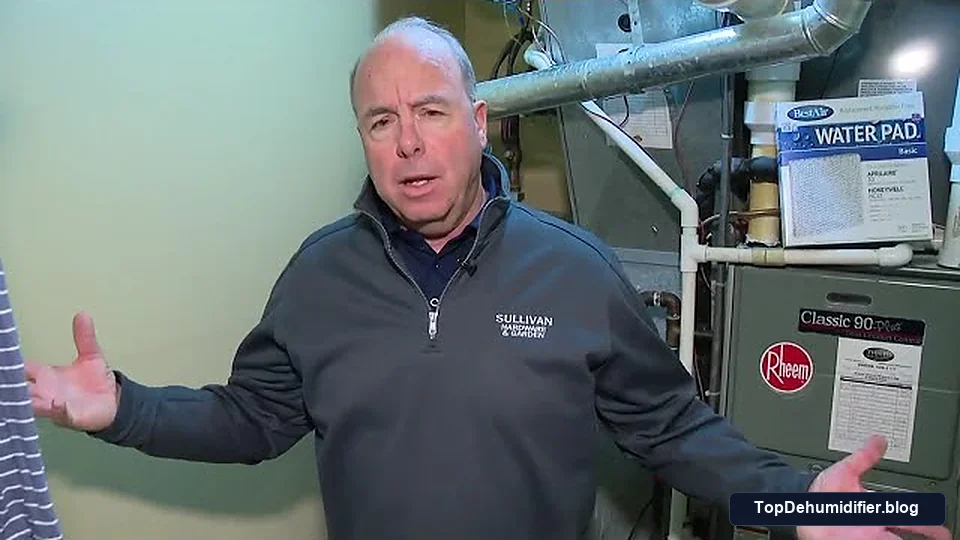
Video Walkthrough: Ask Andrew: Why indoor humidity matters during the cold season
Step-by-Step Setup and Calibration
Proper equipment placement maximizes airflow circulation and moisture capture efficiency. Position your unit centrally in damp zones while maintaining adequate clearance from walls and large pieces of furniture.
Calibrating your hygrometer ensures accurate baseline readings before adjusting mechanical systems. Salt-test calibration methods provide reliable verification of sensor accuracy across standard residential temperature ranges.
Set your humidistat to target thirty-five to forty percent relative humidity. Lower settings risk over-drying wooden furniture, while higher targets invite window condensation issues during deep freezes.
Connect continuous drainage hoses when operating units in high-volume basement environments. Gravity drainage prevents overflow interruptions and maintains uninterrupted moisture control throughout extended winter storms.
- Place units on level, stable flooring surfaces.
- Maintain at least twelve inches of wall clearance.
- Verify sensor accuracy using salt test kits.
- Secure gravity drain lines against accidental kinks.
Initial Power-On Procedures
Allow newly delivered units to rest upright for several hours before initial startup. This settling period protects internal compressor components from oil displacement damage during transit.
Before plugging in heavy-duty units, use our pint capacity calculator to verify electrical circuit requirements, preventing tripped household breakers and dangerous overload hazards during continuous operation.
- Let compressors settle before powering on.
- Plug units into dedicated circuit breakers.
Common Mistakes and Troubleshooting
Operating equipment in unheated spaces without low-temperature defrost leads to frozen evaporator coils. Ice accumulation halts moisture extraction completely and can cause permanent compressor motor burnout.
Ignoring filter maintenance restricts airflow and reduces overall moisture removal efficiency. Clean washable mesh filters every two weeks to sustain optimal airflow metrics across the refrigeration coils.
Placing units tightly against corners restricts intake volume and creates dead air zones. Always ensure unobstructed airflow around both intake grilles and exhaust discharge ports for maximum efficiency.
Relying solely on built-in humidistats often results in inaccurate readings due to local microclimates. Use remote digital hygrometers placed across the room to verify true ambient humidity levels.
- Inspect evaporator coils for frost buildup regularly.
- Wash air filters with mild dish soap.
- Move units away from cramped corner locations.
- Calibrate remote hygrometers against reference standards.
Diagnosing Drainage Failures
Gravity drain lines frequently clog due to biological slime accumulation over time. Inspect internal collection trays and discharge tubes monthly to prevent unexpected basement water overflows.
Ensure external drain hoses slope downward continuously without upward loops. Proper grade angles allow water to escape freely via natural gravitational flow principles.
- Flush drain lines with vinegar solutions.
- Verify continuous downward hose slopes.
Maintenance and Safety Protocols

Regular electrical safety checks prevent short circuits in damp basement environments. Inspect power cords for frayed insulation and ensure outlets feature working ground fault protection.
Clean collection buckets monthly with a mild antimicrobial solution to prevent mold spores. Standing water in neglected reservoirs quickly fosters bacterial growth that circulates unhealthy biological contaminants.
Winter storage preparation requires complete internal drying before prolonged periods of disuse. Run the fan mode for several hours to eliminate residual moisture inside the sealed cabinet.
Always unplug electrical equipment before performing any routine cleaning or filter replacement tasks. Adhering to strict lockout protocols protects technicians from accidental electrical shock hazards.
- Test GFCI outlets before plugging in units.
- Sanitize water reservoirs with diluted bleach solutions.
- Dry internal components completely before storage.
- Inspect power cords for physical damage.
Sanitizing Evaporator Coils
Evaporator coils accumulate airborne dust and biological residue during prolonged operation cycles. Apply specialized coil cleaners annually to maintain heat transfer efficiency and indoor air purity.
Rinse coil surfaces thoroughly with clean water while protecting electrical wiring components from accidental moisture exposure during maintenance routines.
- Use approved coil cleaning sprays.
- Shield electrical panels during washing.
Video Walkthrough: How to Solve High Humidity in Home in Winter
Ventilation and Air Exchange Balance

Balancing mechanical ventilation with dehumidification prevents extreme indoor humidity fluctuations. Exhaust fans in kitchens and bathrooms expel localized vapor loads before they disperse into living area air masses.
Heat recovery ventilators provide controlled fresh air exchange without sacrificing thermal energy. These systems maintain healthy indoor air quality while preventing excessive moisture buildup during tightly sealed winter months.
Avoid opening windows during freezing weather to let fresh air inside. Cold air carries very little absolute moisture, but rapid temperature swings can trigger sudden condensation spikes indoors.
Monitor indoor carbon dioxide levels alongside relative humidity to ensure adequate ventilation. Proper air exchange rates protect occupants while maintaining stable building envelope conditions.
- Run bathroom exhaust fans after hot showers.
- Install heat recovery ventilators for balanced airflow.
- Avoid prolonged window cracking during cold snaps.
- Monitor CO2 levels to gauge fresh air.
Managing Range Hood Extraction
Similar to high-humidity zones covered in our best dehumidifier for home gym guide, kitchen cooking activities release heavy water vapor requiring overhead exhaust fans to capture cooking steam at the source.
Ensure make-up air vents function correctly when running high-capacity kitchen extraction hoods to prevent negative pressure issues inside tightly sealed homes.
- Run range hoods during all meal preparation.
- Check make-up air dampers for proper movement.
Structural Protection and Envelope Integrity
Protecting your building envelope during winter requires vigilant monitoring of hidden spaces. Attic bypasses allow warm indoor air to escape into cold roof cavities, generating severe structural condensation problems.
Sealing plumbing penetrations and electrical chases stops warm air from exfiltrating upward. Proper air sealing reduces moisture transport into framing cavities and preserves long-term structural timber strength.
Insulating basement rim joists prevents cold surfaces from drawing interior moisture. Maintaining warm boundary layers stops frost formation and keeps foundation walls structurally sound through freezing winter months.
Professional blower door testing helps identify hidden air leaks throughout the entire envelope. Correcting these vulnerabilities improves overall energy efficiency and prevents destructive moisture accumulation inside wall assemblies.
- Seal attic bypasses with fire-rated spray foam.
- Insulate basement rim joists with rigid foam.
- Conduct blower door tests to find leaks.
- Check roof rafters for hidden frost deposits.
Insulating Cold Water Pipes
Exposed water supply pipes in unheated crawlspaces are vulnerable to condensation and freezing. Wrap piping with foam insulation sleeves to prevent moisture dripping and pipe bursts.
Check pipe insulation seams regularly to ensure protective barriers remain intact throughout harsh winter freeze cycles.
- Wrap unheated pipes in foam sleeves.
- Seal insulation joints with waterproof tape.
Frequently Asked Questions
Why does winter indoor humidity matter so much?
Controlling winter indoor humidity prevents destructive condensation from forming on cold window panes, exterior walls, and hidden framing members where mold can rapidly colonize and compromise structural integrity.
Maintaining proper levels also protects wooden furnishings from shrinking or cracking while safeguarding occupants against respiratory irritants caused by overly dry or damp air conditions.
What is the ideal relative humidity level for cold months?
Targeting an indoor relative humidity range between thirty and forty percent strikes the optimal balance for cold weather living spaces. This specific window prevents window frosting while avoiding static electricity and wood splitting associated with severely arid indoor environments.
How do I know if my dehumidifier is working efficiently?
Check your digital hygrometer readings against water collection rates in the storage bucket to confirm steady extraction performance during operation. Frost-free coils and consistent airflow from the exhaust port further verify that your mechanical equipment functions properly.
Can I run a standard dehumidifier in a cold unheated basement?
Standard refrigeration units struggle and freeze up when operated in unheated spaces where ambient temperatures drop below sixty degrees Fahrenheit. You must use low-temperature units equipped with automatic defrost features to ensure reliable moisture removal in chilly environments.
What causes frost to form on windows during winter?
Window frost occurs when warm, moisture-laden indoor air meets glass surfaces that have dropped below the freezing point of water. Lowering your overall indoor humidity and improving local air circulation will eliminate this troublesome freezing phenomenon.