Humidity in Apartment in Winter: Guide
Winter apartment humidity causes condensation and mold growth on cold exterior walls. Proper mechanical mitigation protects structural integrity and indoor air quality.


Maintain indoor relative humidity between thirty and fifty percent during winter months. This prevents structural condensation while avoiding overly dry air that irritates respiratory membranes.
Ready to compare models? Start with our Best Dehumidifier: Top Picks for Basements & Homes.
Practical Quick-Reference Table
| Scenario / Metric | Recommended Target | Why It Matters |
|---|---|---|
| Living Areas | 35% - 45% RH | Prevents window condensation without drying skin. |
| Bathroom Exhaust | 60 CFM minimum | Removes localized moisture rapidly after showers. |
| Exterior Wall Clearance | 2 to 4 inches | Ensures adequate airflow behind heavy furniture. |
| Compressor Unit | Above 65°F ambient | Prevents evaporator coil icing in cold spaces. |
| Desiccant Unit | Below 60°F ambient | Operates efficiently in unheated winter areas. |
| Hydrometer Placement | Interior room center | Measures true ambient moisture away from drafts. |
Understanding Winter Indoor Moisture Dynamics
Cold outdoor temperatures chill apartment exterior walls, driving indoor moisture toward cold surfaces. When warm interior air meets these cold barriers, relative humidity spikes and causes condensation formation.

Everyday residential activities like cooking, showering, and breathing add substantial water vapor to sealed apartments. Without mechanical ventilation or extraction, this moisture gets trapped indoors all winter long.
Modern apartments often feature tight building envelopes designed for energy efficiency. While this seals in conditioned air, it also prevents natural air exchange, trapping seasonal humidity inside living spaces.
Ignoring excess winter moisture leads directly to mold colonization behind heavy furniture and on window sills. Identifying these specific microclimates helps you deploy targeted remediation strategies immediately.
Winter apartment humidity is driven by thermal differentials between outdoor air and living spaces. Choosing the best dehumidifier for studio apartment options helps manage moisture when cold air enters.
Physics dictates that cold exterior walls create localized dew point surfaces inside apartments. When warm indoor air contacts these chilly boundaries, moisture condenses rapidly, leading to structural dampness and potential mold growth behind furniture.
Standard ASHRAE guidelines recommend maintaining indoor winter humidity between 30% and 40% to prevent condensation while avoiding static electricity. Dropping below thirty percent can dry out nasal passages and damage wooden musical instruments.
Apartment dwellers must monitor vapor pressure gradients across exterior building envelopes. Cooking, showering, and unvented clothes dryers generate massive vapor loads that easily overwhelm natural apartment ventilation rates during freezing winter months.
- Monitor dew point temperatures near exterior glass surfaces.
- Inspect window frames daily for morning condensation pooling.
- Keep interior doors open to encourage passive air circulation.
- Recognize musty odors as early indicators of hidden dampness.
The Physics of Thermal Bridging
Thermal bridging occurs where structural framing bypasses continuous insulation layers. These cold spots drop surface temperatures below the interior dew point, resulting in localized liquid water formation.
Furniture pushed directly against these thermal bridges restricts warm air contact, worsening condensation risks. Maintaining clearance allows radiant heat to dry vulnerable zones effectively.
- Pull sofas and beds away from exterior walls.
- Use infrared thermometers to locate cold structural studs.
Selecting the Correct Dehumidification Technology
Refrigerant dehumidifiers utilize compressor systems to chill internal coils below the dew point. Selecting the best dehumidifier for basement apartment needs ensures reliable operation when ambient temperatures drop significantly.
Desiccant dehumidifiers rely on moisture-absorbing silica rotors instead of compressors. These units excel in unheated winter spaces like enclosed porches or cold basements where refrigerant models freeze up.
Sizing your apartment unit requires calculating total square footage alongside baseline moisture generation rates. A compact pint-capacity model suits small studios, whereas multi-room apartments demand higher capacities.
Noise output remains a critical ergonomic factor for apartment living spaces. Check manufacturer decibel ratings to ensure your selected hardware will not disrupt sleep routines.
Compressor-based dehumidifiers lose extraction efficiency when ambient temperatures drop below 65 degrees Fahrenheit. In chilly unheated apartments or basements, refrigeration coils freeze over, rendering standard refrigerant units entirely useless without active defrost cycles.
Desiccant dehumidifiers rely on chemical absorption wheels instead of cold coils, making them exceptionally effective for cold winter environments. They maintain consistent water extraction rates even when operating in unheated spaces down to freezing temperatures.
Sizing your unit correctly requires calculating apartment square footage and assessing moisture severity. A standard 50-pint capacity model suits larger open-plan living spaces, whereas compact units are better for typical urban apartment bedrooms.
Always evaluate electrical amperage draws before plugging heavy technical equipment into older apartment circuits. Standard residential breakers rated at 15 amps can easily trip if a high-draw compressor shares a line with space heaters.
- Match extraction capacity to total apartment volume.
- Verify low-temperature limits on compressor specs.
- Evaluate continuous drainage options for unattended operation.
- Prioritize units featuring washable antimicrobial filters.
Compressor Versus Desiccant Mechanics
Compressor models condense water by pulling air across freezing evaporator coils. This mechanical process loses efficiency rapidly when room temperatures fall below standard thresholds.
Desiccant alternatives chemically capture water vapor using a rotating porous wheel. Internal heaters then regenerate the material, making them ideal for chilly environments.
- Calculate ambient room temperature before selecting hardware.
- Assess energy consumption differences between types.
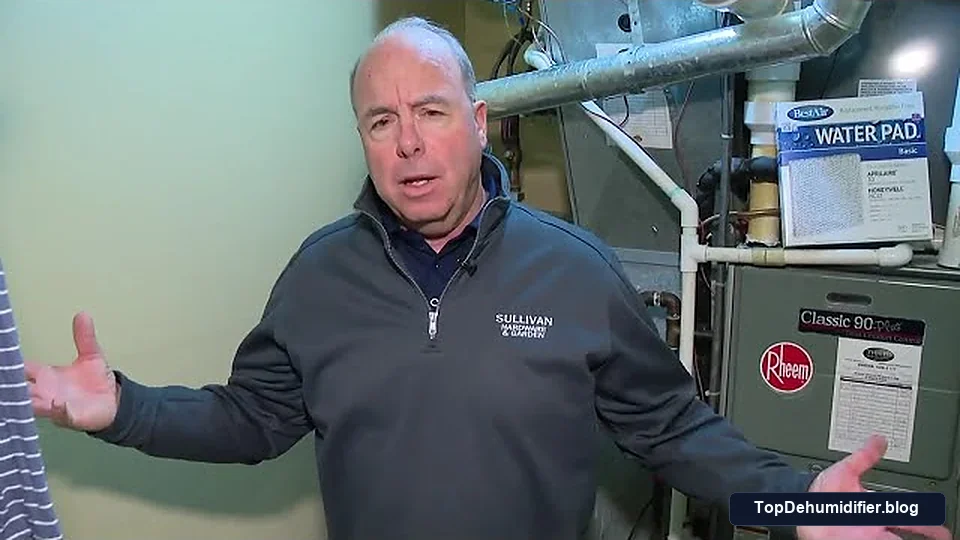
Video Walkthrough: Ask Andrew: Why indoor humidity matters during the cold season
Strategic Placement and Environmental Calibration

Selecting the right unit from our best dehumidifier for apartment guide maximizes moisture extraction across your floor plan. Place units centrally to capture cross-flowing air efficiently.
Maintain at least twelve inches of clearance around intake and exhaust grilles. Obstructed airflow reduces mechanical efficiency and forces the internal compressor to work harder.
Calibrate your hygrometer using a salt test to guarantee accurate baseline readings. Precise measurement prevents you from over-drying apartment air, which causes respiratory irritation.
Close exterior windows and entry doors while running active extraction equipment. Allowing outside winter air to enter constantly overburdens the machine and wastes energy.
Position your dehumidifier at least twelve inches away from walls and upholstered furniture to ensure unobstructed airflow intakes. Restricting rear intake grills causes internal overheating and severely degrades moisture extraction performance over time.
Place units centrally within your apartment layout or directly adjacent to known problem areas like exterior-facing bedroom corners. Maximizing cross-flow ventilation helps draw trapped moisture out of stagnant air pockets behind large wardrobes.
Calibrate your hygrometer using a salt test kit before relying on its digital readings. Inaccurate sensors frequently misreport relative humidity levels, leading to either excessive energy consumption or unaddressed condensation hazards on windows.
Keep doors between interior rooms open during active dehumidification cycles to balance moisture loads. Closing bedroom doors creates isolated microclimates where humidity can spike drastically while the main unit runs in an empty hallway.
- Keep devices away from direct heat sources like radiators.
- Elevate portable units slightly if placed on thick carpets.
- Position hygrometers at breathing height away from drafts.
- Use ceiling fans on low speeds to blend room air.
Optimizing Airflow Paths in Tight Spaces
Small apartments restrict natural air pathways, creating stagnant humidity pockets behind doors and inside closets. Direct small oscillating fans toward these dead zones to assist primary units.
Avoid tucking extraction units inside tight hallway enclosures where intake restriction occurs. Unrestricted airflow is mandatory for maintaining optimal performance and preventing overheating.
- Keep closet doors cracked open during peak hours.
- Position auxiliary fans to push damp air toward intakes.
Routine Maintenance and Preventative Safety Protocols
Regular maintenance preserves mechanical longevity and prevents harmful mold growth inside your chassis. Use our pint capacity calculator first, then unplug before performing internal cleaning.
Wash removable mesh air filters every two weeks using warm water and mild dish soap. Allow them to dry thoroughly before reinsertion to protect evaporator coils from dust.
Inspect water collection buckets regularly for slime or bacterial buildup. Empty and sanitize these reservoirs weekly to maintain healthy air quality throughout your space.
Check power cords for fraying or insulation damage before each seasonal startup. Never use extension cords with high-draw compressor appliances to avoid electrical hazards.
Clean air filters every two weeks using warm water and mild dish soap to maintain optimal airflow. A clogged mesh filter forces the fan motor to work harder, increasing energy consumption and reducing operational lifespan.
Inspect internal condensate buckets regularly for slime or mold accumulation, scrubbing them thoroughly with a weak bleach solution. Prevent stagnant water from breeding harmful bacteria that gets aerosolized back into your living environment.
Utilize a continuous drainage hose with a gravity-fed incline whenever possible to eliminate the chore of manually emptying heavy water buckets. Ensure the hose stays free of kinks or dips that block water flow.
Test the automatic shut-off mechanism monthly by manually lifting the bucket float switch while the unit runs. This vital safety test prevents catastrophic water overflows that can ruin hardwood apartment flooring and downstairs ceilings.
- Disconnect electrical power prior to cleaning procedures.
- Sanitize collection buckets with a mild bleach solution.
- Inspect internal drainage hoses for kinks or clogs.
- Store units upright in dry locations during summer.
Managing Frost Accumulation on Coils
Cold winter operating conditions frequently cause frost to form on refrigerant coils. Modern units feature automatic defrost cycles, but ambient room temperatures must remain above thresholds.
If heavy ice buildup occurs, turn off the appliance immediately and let it melt completely. Running a frozen compressor damages internal components and voids warranties.
- Monitor coil appearance during freezing weather snaps.
- Never scrape ice off evaporator coils with metal tools.
Troubleshooting Common Winter Humidity Issues
When a dehumidifier fails to extract water, verify that the humidistat is set below current room levels. Incorrect calibration or sensor failure often causes unnecessary shutdowns.
Continuous drainage failure usually stems from clogged tubing or incorrect gravity-fall angles. Ensure your drainage hose slopes downward continuously without any upward loops.
Loud rattling noises typically indicate loose exterior panels or an unbalanced floor placement. Adjust the leveling feet and tighten visible screws to restore quiet operation.
If relative humidity remains stubbornly high despite continuous operation, your apartment may require supplemental ventilation. Combine mechanical dehumidification with targeted exhaust usage.
If your compressor unit forms thick frost on its coils during winter operation, switch to a model equipped with an auto-defrost function. Operating standard units in cold spaces ruins compressors through continuous icing.
Address persistent window condensation by wiping glass surfaces daily and deploying targeted air circulation fans. High indoor humidity combined with single-pane glass creates an unavoidable moisture trap that requires immediate mechanical intervention.
When a dehumidifier fails to collect water despite running continuously, check for a refrigerant leak or a malfunctioning humidistat switch. Use a secondary digital hygrometer to verify whether ambient humidity has actually dropped below target.
Persistent musty odors near baseboards indicate hidden mold colonies behind drywall caused by thermal bridging. Run your dehumidifier aggressively and consult building management to inspect insulation gaps before minor dampness escalates into structural damage.
- Check humidistat settings against external readings.
- Clear blocked drainage ports using a pipe cleaner.
- Inspect leveling feet for even contact with flooring.
- Calculate actual square footage against capacity limits.
Addressing Persistent Musty Odors
Persistent musty smells often indicate hidden mold behind drywall or underneath carpet padding. Dehumidifiers lower air moisture, but physical remediation is required to eliminate colonies.
Inspect organic building materials thoroughly when dampness odors linger despite low humidity readings. Clean affected hard surfaces with approved antimicrobial solutions to restore conditions.
- Inspect carpet tack strips for dampness and mold.
- Wash fabric furnishings exposed to high moisture.
Frequently Asked Questions
Why does my apartment feel more humid in winter despite the cold weather?
Winter heating systems warm indoor air, which increases its capacity to hold water vapor generated by daily living. When this warm air contacts cold exterior glass, it condenses rapidly into visible liquid water.
What is the ideal relative humidity level to maintain in a winter apartment?
You should maintain indoor relative humidity between thirty and fifty percent throughout cold months. This specific range prevents structural mold growth while avoiding overly dry air that irritates passages.
Can I run a standard compressor dehumidifier in a cold winter apartment?
Standard compressor units lose efficiency and risk coil icing when room temperatures drop below sixty-five degrees. If your apartment remains unheated, you must use a desiccant alternative instead.
How can I prevent window condensation without running a dehumidifier continuously?
You can reduce window condensation by operating kitchen and bathroom exhaust fans for twenty minutes after showering. Additionally, opening window blinds during daylight allows warm air to dry glass.
Why is my dehumidifier collecting very little water during winter operation?
Low water collection usually happens because the humidistat is set higher than actual room humidity or ambient temperatures are too cold. Verify your hygrometer readings and ensure your unit matches thermal limits.