How to Prevent Algae Buildup in Dehumidifier Drain Hose
Dehumidifiers extract ambient moisture that encourages organic slime inside drain lines. Managing this biological growth prevents clogs and protects your indoor air quality from harmful microbial contamination.

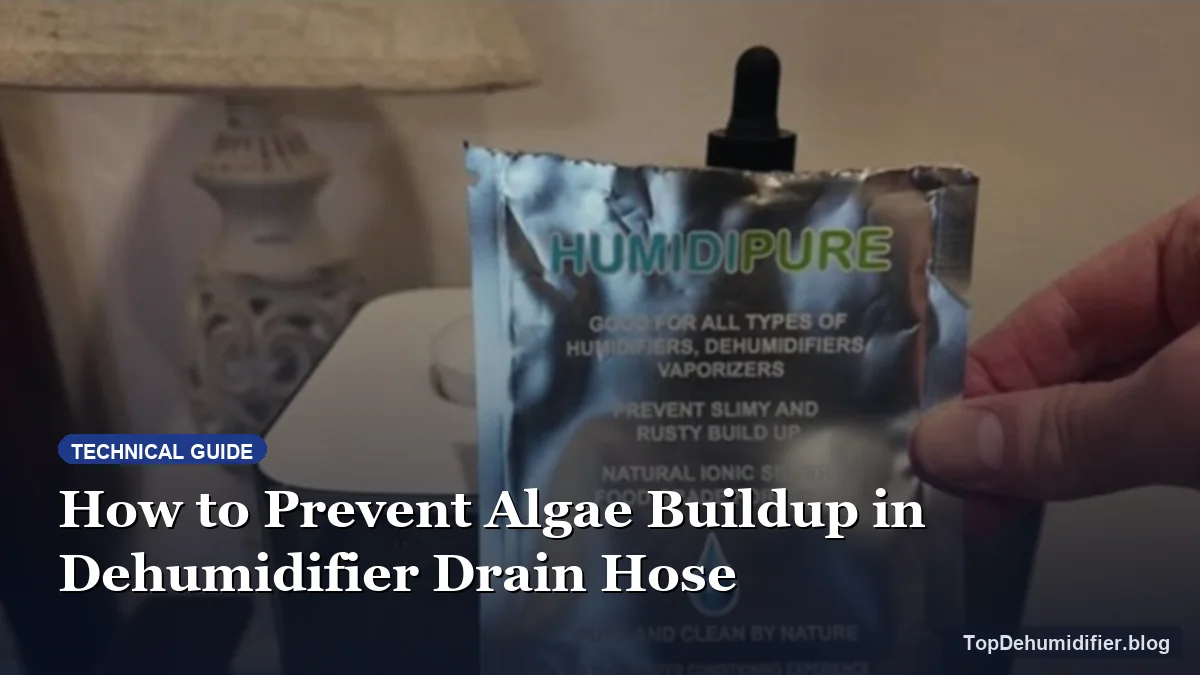
Preventing algae requires combining opaque tubing materials, proper gravity slope angles, and regular white vinegar flushes. Eliminating light exposure and stagnation stops biological growth before drain clogs occur.
Ready to compare models? Start with our Best Dehumidifier: Top Picks for Basements & Homes.
Practical Quick-Reference Table
| Scenario / Metric | Recommended Target | Why It Matters |
|---|---|---|
| Drain Hose Material | Opaque Polyethylene | Blocks sunlight to prevent algae growth. |
| Gravity Slope Angle | 1/4 inch per foot | Ensures rapid flow and prevents pooling. |
| Cleaning Interval | Every 4 to 6 weeks | Stops biological buildup before clogs occur. |
| Vinegar Treatment | 1 cup monthly | Safely neutralizes developing microbial colonies. |
| Bleach Dilution | 1:10 ratio | Disinfects stubborn slime without harsh damage. |
| Room Humidity | Below 50 percent | Inhibits general spore germination and growth. |
Understanding Dehumidifier Condensate and Biological Growth
Atmospheric moisture collected by refrigeration coils is never entirely sterile. Airborne spores enter the intake grille and settle within the damp reservoir, creating ideal conditions for algae and slime to multiply.
Clear vinyl tubing allows ambient room light to reach the wet interior surfaces. Photosynthetic organisms thrive when exposed to light and continuous moisture, rapidly forming thick green or pink biofilms.
Left untreated, these organic blockages restrict condensate flow and cause reservoir overflows. Selecting the right unit from our best dehumidifier for basement with drain hose lineup prevents devastating water damage to surrounding subflooring.
Recognizing the early stages of biological colonization helps you intervene before permanent clogs develop. Routine visual inspections of transparent connection points reveal initial discoloration long before complete drainage failure happens.
Dehumidifier condensate is pure distilled water lacking minerals, yet ambient airborne spores easily settle inside dark, humid collection buckets, rapidly initiating biological growth cycles within vulnerable drainage networks.
Relative humidity levels exceeding sixty percent inside transparent or semi-translucent vinyl tubing provide the exact moisture threshold required for microscopic algae spores to germinate and multiply aggressively.
Nutrients entering via household dust drawn across evaporator coils feed initial colonies, transforming clear condensate into a thick, gelatinous matrix known colloquially as slime buildup.
Without routine preventive interventions, this organic sludge restricts internal water flow, forcing potential pump overflows or basement floor leaks that compromise surrounding structural integrity over time.
- Airborne spores constantly enter condensate systems.
- Transparent tubing accelerates algae reproduction cycles.
- Biofilms create severe flow restrictions over time.
- Early detection prevents costly water damage incidents.
Environmental Factors Promoting Microbial Proliferations
Warm ambient temperatures combined with high humidity accelerate cell division rates in microscopic algae. Basements and crawlspaces present the highest risk environments for rapid biological colonization inside drainage systems.
Stagnant water pockets remaining in sagging hose sections provide undisturbed incubation zones. Eliminating these low points is critical for interrupting the continuous life cycle of unwanted aquatic microorganisms.
- High ambient temperatures boost growth speeds.
- Basement installations require aggressive preventive measures.
Selecting Proper Gravity and Pump Drain Tubing Materials
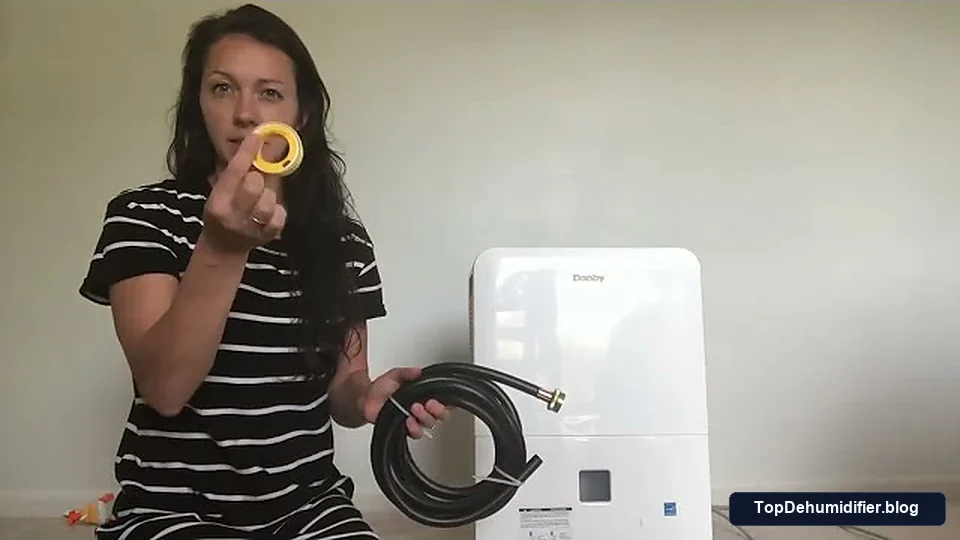
Upgrading standard clear plastic tubing is the most effective permanent defense against algae. Opaque or black polyethylene lines completely block the light spectrum required for photosynthetic organisms to survive.
Reinforced PVC hoses offer superior flexibility and resistance to kinking during complex installation routes. Selecting smooth interior walls prevents microscopic organic debris from catching on rough manufacturing seams or ridges.
Ensure your chosen hose diameter matches the manufacturer outlet nozzle specifications precisely. Improper sizing creates friction points and pooling zones where organic matter accumulates much faster than normal.
Food-grade silicone tubing represents another exceptional upgrade for high-performance condensate drainage setups. These specialized lines resist microbial adhesion significantly better than standard hardware store vinyl alternatives.
Standard clear PVC tubing degrades under continuous UV exposure and moisture, making our best continuous drain dehumidifier picks paired with food-grade silicone superior alternatives for resisting internal algae colonization safely.
Selecting an inner diameter of three-eighths inch precisely matches standard dehumidifier gravity drain ports while maintaining optimal water velocity to minimize stagnant pooling zones.
Smooth interior bore walls prevent microscopic surface pitting where organic spores initially anchor, significantly extending the operational lifespan of your entire condensate drainage infrastructure.
Avoid porous rubber hoses that absorb ambient moisture and harbor mold roots deep within material walls, ensuring reliable, maintenance-free performance across long operational seasons.
- Choose opaque materials to block sunlight penetration.
- Prioritize smooth interior walls for better flow.
- Match hose diameters to equipment outlet nozzles.
- Consider food-grade silicone for superior resistance.
Evaluating Antimicrobial Hose Additives
Some modern drainage hoses incorporate embedded antimicrobial agents directly into the polymer matrix. These chemical compounds actively inhibit cellular replication of bacteria and algae on contact surfaces.
Verify that any specialized treatment remains certified safe for continuous residential wastewater discharge. Always inspect manufacturer technical sheets to confirm chemical compatibility with standard indoor appliances.
- Polymer additives suppress cellular replication rates.
- Confirm wastewater safety certifications before installation.
Video Walkthrough: Dehumidifier or AC Drain Hose extension Review \u0026 Unboxing
Establishing Correct Slope and Drainage Angles for Flow Dynamics
Gravity-fed drainage systems require a consistent downward slope to prevent standing water pools. A drop of at least one-quarter inch per foot ensures rapid evacuation of collected condensate without pooling.
Horizontal runs or upward loops create ideal breeding grounds for stubborn algae colonies. Water trapped in low spots loses velocity, allowing suspended organic particles to settle and form thick sludge.
Secure long hose runs securely using proper mounting brackets to eliminate sagging zones. Supporting the line at regular intervals maintains the required grade for optimal gravitational water movement.
When connecting to distant floor drains, avoid routing lines across walkways where pressure kinks can occur. External crushing forces restrict flow rates and instantly create localized stagnant pooling pockets.
Gravity-fed drainage systems require a strict minimum downward slope of one-quarter inch per foot of run to maintain continuous water velocity and prevent stagnant pooling.
Horizontal sagging sections create localized water traps where airborne spores settle, multiply undisturbed, and quickly form stubborn blockages that halt standard gravity drainage efficiency.
Secure flexible lines every three feet using plastic hangers to eliminate low-spot reservoirs. Reviewing the best way to drain dehumidifier in basement configurations helps maintain a consistent downward hydraulic gradient toward the floor drain.
When routing lines through exterior walls, maintain an outward decline and seal penetration points tightly to prevent exterior humidity ingress from feeding interior fungal colonies.
- Maintain a strict downward slope angle.
- Eliminate horizontal or sagging hose sections.
- Use mounting brackets for firm support.
- Protect lines from external crushing forces.
Routine Maintenance Protocols and Cleaning Intervals
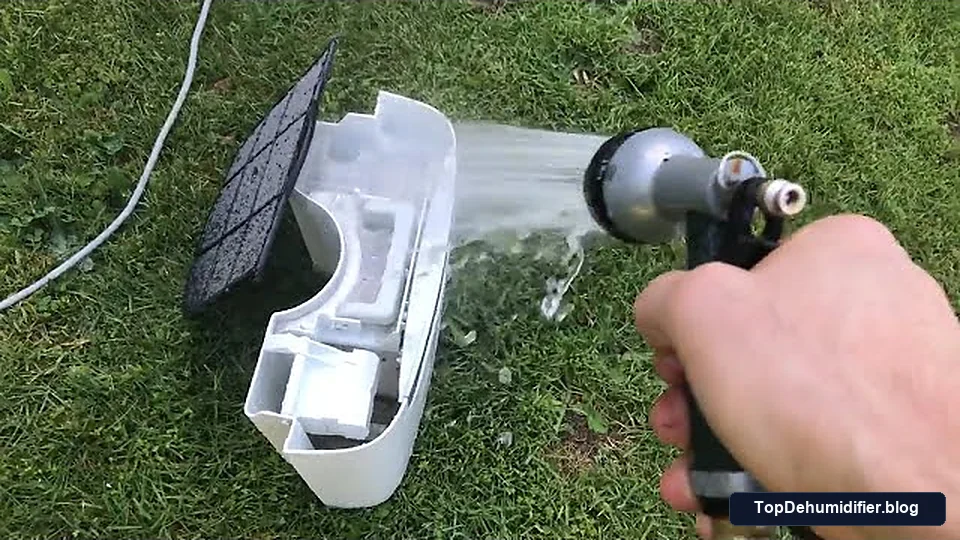
Establishing a disciplined maintenance schedule stops biological growth before blockages shut down operations. Flush your drainage system with a mild cleaning solution every four to six weeks during peak seasons.
Disconnect the hose from the unit and take it to a utility sink for thorough rinsing. Physical manipulation of the flexible line helps dislodge any stubborn internal buildup loosened by chemical treatments.
Never use harsh industrial acids that can degrade plastic fittings or damage connected plumbing components. Mild household agents provide adequate cleaning power without risking premature material degradation or environmental hazards.
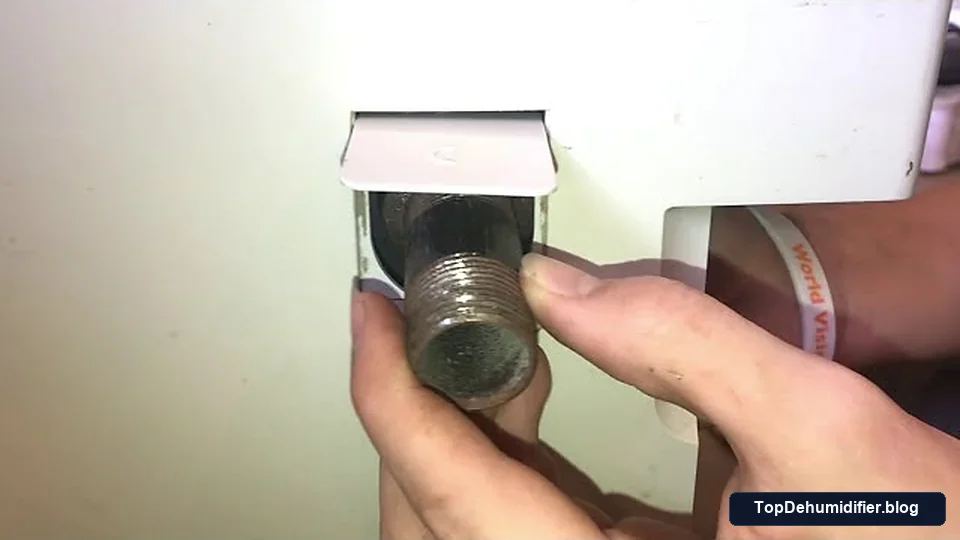
Inspect hose connection points and threaded adapters for signs of leakage or wear during cleaning. Replacing degraded washers or loose clamps ensures a watertight seal and maintains proper system suction.
Establish a strict bi-weekly inspection schedule during peak summer months to thoroughly examine transparent drain lines for early signs of green discoloration or algae accumulation.
Flush gravity and pump-assisted lines every thirty days using a mixture of warm water and mild dish soap to dislodge loose organic debris before biofilm hardens.
Always disconnect power supplies entirely before performing physical maintenance on internal condensate reservoirs, adhering strictly to foundational electrical safety protocols in damp environments.
Carefully air-dry collection buckets and internal channels during seasonal storage periods to eliminate lingering moisture pockets that invite dormant spores to reactivate unexpectedly.
- Flush lines every four to six weeks.
- Disconnect hoses for manual sink rinses.
- Avoid corrosive industrial acid cleaners entirely.
- Inspect connection seals during every service.
Chemical Treatment Options and Safe Disinfectant Ratios
Distilled white vinegar is the safest and most accessible organic inhibitor for residential units. Pouring one cup of vinegar through the reservoir once monthly neutralizes developing algae colonies effectively.
Alternatively, dilute household chlorine bleach with water at a precise one-to-ten ratio for disinfection. Allow the solution to sit inside the line for fifteen minutes before flushing thoroughly with clean water.
Exercise extreme caution when handling chlorine compounds to avoid damaging surrounding metal appliance components. Never mix bleach with vinegar or other cleaning agents, as dangerous chemical reactions release toxic fumes.
Specialized HVAC condensate tablets offer a slow-release chemical option for automated prevention. Dropping these tablets directly into the collection bucket controls microbial growth for up to three months continuously.
Avoid harsh industrial bleach solutions that degrade soft rubber seals, instead utilizing diluted white vinegar or specialized condensate tablets designed specifically for HVAC applications.
Mix one part distilled white vinegar with three parts warm water to safely neutralize existing organic colonies without damaging connected plastic fittings or pumps.
Commercial pan tablets containing quaternary ammonium compounds offer slow-release disinfection, preventing algae and bacterial slime from forming inside drain pans for up to three months.
Always flush drain lines with clean tap water following chemical treatments to eliminate residual corrosive agents and protect downstream plumbing infrastructure from premature wear.
- Use white vinegar for safe monthly maintenance.
- Dilute bleach carefully for occasional deep disinfection.
- Never mix incompatible chemical cleaning agents together.
- Utilize slow-release HVAC tablets for convenience.
Troubleshooting Blockages and Clearing Slime Accumulation
When a drain line overflows despite regular cleaning, stubborn biological blockages are usually responsible. Disconnect the obstructed hose immediately and inspect both ends for compacted organic slime or mineral scale.
Clear minor obstructions by forcing compressed air or pressurized water through the tubing backwards. This reverse flushing method dislodges stubborn masses trapped inside narrow fittings or interior channel bends.
If physical clearing fails, replace the entire drain line with a fresh section of opaque tubing. Inexpensive replacement eliminates residual spores clinging to aged, degraded plastic interior walls permanently.
Verify that the internal condensate pump functions correctly if your unit uses forced drainage. A failing pump motor leaves standing water in the reservoir, accelerating algae reproduction exponentially.
If water backs up into the collection bucket despite an active drain line, disconnect the tubing and inspect for compressed kinks or severe blockages.
Clear stubborn organic clogs by pushing a flexible nylon plumber snake or small compressed air cartridge carefully through the entire drain hose assembly.
For internal condensate pumps, carefully disassemble the plastic housing and clean the check valve manually to remove sticky slime buildup obstructing float switches.
Thoroughly test the drainage system by pouring one cup of clean water into the reservoir while monitoring the outlet to verify unobstructed, free-flowing water discharge.
- Disconnect hoses immediately upon observing overflows.
- Use reverse water pressure to clear clogs.
- Replace severely degraded lines with new tubing.
- Test internal condensate pump operational integrity.
Environmental Controls to Inhibit Spore Germination
Lowering ambient relative humidity around the drainage setup retards fungal and algal spore germination. Maintain surrounding room humidity below fifty percent to discourage overall microbial propagation in the workspace.
Improve general room ventilation using oscillating fans or continuous exhaust systems in damp basement locations. Moving air evaporates surface moisture quickly, denying microscopic organisms the liquid water they require.
Shield collection buckets and external drainage endpoints from direct sunlight using protective covers or enclosures. Eliminating photon exposure stops photosynthetic algae species from initiating rapid colonial expansion phases.
Keep surrounding floors and walls clean to minimize organic dust entering the intake air stream. Cleaner intake air significantly reduces the total volume of biological spores depositing onto wet refrigeration coils.
Actively lowering overall indoor relative humidity below fifty percent drastically restricts the ambient moisture required for airborne mold and algae spores to germinate successfully.
Always install MERV-11 or higher air filters in your central HVAC system to capture microscopic spores. Using our pint capacity calculator ensures your selected unit effectively targets ambient humidity before spores circulate toward the dehumidifier intake.
Always maintain adequate spatial clearance around dehumidifier units to promote continuous airflow, preventing stagnant microclimates that accelerate fungal growth near collection areas.
Carefully seal basement floor cracks and insulate cold water pipes to minimize localized condensation pooling that feeds surrounding biological hazards in enclosed utility spaces.
- Maintain room humidity below fifty percent.
- Enhance ambient airflow with active ventilation.
- Cover collection endpoints to block sunlight.
- Keep surrounding spaces clean of dust.
Frequently Asked Questions
Why does green algae grow inside my clear dehumidifier drain hose?
Clear plastic tubing allows ambient room light to reach continuous moisture, creating ideal conditions for photosynthetic organisms. Opaque replacement tubing completely blocks this light spectrum to stop algae reproduction.
Can I use household bleach every week to clean my drain line?
Frequent weekly bleach applications can degrade plastic fittings and corrode internal metal components over time. Instead, reserve chlorine disinfection for quarterly deep cleans and use distilled white vinegar for routine monthly maintenance.
What is the correct downward slope for a gravity drain hose?
Gravity drainage systems require a minimum fall of one-quarter inch per foot along the entire run. Maintaining this strict angle prevents standing water pools where suspended organic debris settles into clogs.
Are HVAC condensate treatment tablets safe for residential drainage systems?
Most commercial condensate tablets use safe ammonium compounds designed specifically for residential wastewater disposal. Always check product instructions to ensure compatibility with your specific dehumidifier brand and local plumbing codes.
How do I unclog a drain hose already blocked by thick algae?
Disconnect the obstructed tubing and force pressurized warm water backward through the line to dislodge heavy slime masses. If physical clearing fails or material degradation is visible, install a brand new opaque hose.