Continuous Drain vs Water Bucket Dehumidifier: Technical Verdict
Choosing how to extract moisture impacts your daily routine and structural safety. Compare continuous gravity drainage against manual water bucket collection for home reliability.

Pick continuous drainage for set-and-forget basement operations or chronic humidity. Choose water bucket systems when portability and zero plumbing access dictate your placement requirements.
Compare all top models in our Best Dehumidifier: Top Picks for Healthy Indoor Air.
Side-by-Side Breakdown
| Criteria | Continuous Drain | Water Bucket Dehumidifier | Edge |
|---|---|---|---|
| Core Design / Build | Utilizes gravity or internal condensate pumps for uninterrupted output. | Relies on a removable plastic reservoir to capture condensed moisture. | Continuous Drain |
| Real-World Performance | Maintains constant extraction without unexpected shutdown interruptions from full tanks. | Stops operating entirely once the reservoir reaches maximum capacity limits. | Continuous Drain |
| Ease of Setup & Use | Requires a dedicated floor drain, hose routing, or wall outlet. | Operates instantly out of the box with zero specialized plumbing needs. | Water Bucket |
| Durability & Reliability | Fewer manual moving parts reduce wear on physical bucket latches. | Plastic reservoirs and float switches face frequent mechanical handling stress. | Continuous Drain |
| Efficiency / Operating Footprint | Optimizes continuous compressor run-time without standby interruptions. | Experiences downtime efficiency losses whenever the tank fills up. | Continuous Drain |
| Maintenance Requirements | Needs occasional hose inspection and bi-annual internal bio-film cleaning. | Demands daily manual emptying and rigorous weekly reservoir sanitization. | Continuous Drain |
| Best Ideal Use Case | Unattended basements, crawlspaces, and high-humidity utility rooms. | Bedrooms, living areas, and rental apartments lacking nearby drains. | Tie (Use Case Dependent) |
Core Engineering and Design Principles
Dehumidifiers manage indoor humidity by passing humid air over refrigerated evaporator coils. The core engineering choice involves how condensed liquid water exits the internal collection chamber safely.
Understanding these foundational design paths helps you evaluate long-term reliability. Manufacturers optimize these configurations for specific residential environments, balancing automation against physical space constraints.
- Evaporator coil thermodynamics dictate total water extraction efficiency.
- Gravity drainage ports eliminate internal storage volume limitations.
- Removable collection buckets integrate magnetic or mechanical float switches.
Gravity Drainage vs Reservoir Storage
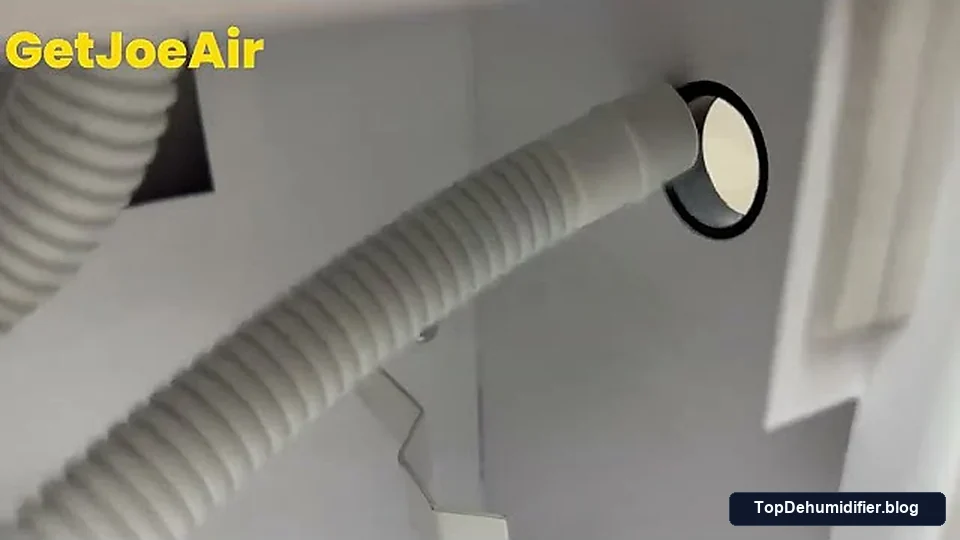
Following our gravity drainage setup guide, gravity-fed continuous drain systems route moisture downward through standard hoses. This design approach eliminates mechanical failure points associated with frequent user interaction.
Water bucket models direct moisture into an enclosed plastic reservoir. Once filled, a weighted float triggers an automatic safety shutoff switch to prevent messy overflows.
- Hose routing requires a continuous downward slope to function properly.
- Bucket capacities typically range from fifteen to twenty-two pints.
Internal Pump Integration Options
Advanced continuous drain units incorporate internal condensate pumps. These specialized pumps push extracted water vertically upward through flexible tubing to elevated windows or sinks.
Standard bucket units rarely include built-in pumps, requiring separate external condensate handling accessories if you need to elevate drainage water above floor level.
- Internal pumps utilize small impellers and check valves for upward lift.
- External auxiliary pumps add clutter and require separate electrical outlets.
Real-World Extraction Performance Metrics
Continuous extraction units deliver superior real-world performance by eliminating downtime. When a machine never stops for a full tank, relative humidity levels stay reliably stable.
Water bucket units suffer from operational gaps. If a reservoir fills overnight, the appliance sits idle for hours, allowing ambient humidity to rebound quickly in enclosed rooms.
- Uninterrupted run-times prevent localized relative humidity spikes.
- Full bucket shutoffs halt compressor cycles during peak moisture loads.
- Consistent airflow management improves overall latent heat removal.
Handling Heavy Moisture Loads
Basements facing constant moisture intrusion require uninterrupted extraction capacity. Continuous drain setups handle severe dampness without demanding constant human intervention or monitoring.
Water bucket systems struggle in high-humidity basements because reservoirs fill rapidly. Emptying heavy water tanks multiple times daily quickly becomes exhausting for homeowners.
- High-capacity basements generate up to fifty pints of water daily.
- Frequent bucket emptying introduces frustrating operational bottlenecks.
Capacity Limits and Runtime Gaps
A standard water bucket restricts daily operating hours once filled to maximum capacity. This unavoidable limitation directly reduces the total moisture removal volume achieved daily.
Continuous drain configurations maximize compressor duty cycles. By removing storage bottlenecks, these systems achieve peak manufacturer-rated extraction outputs under demanding conditions.
- Safety float switches instantly cut power to prevent flooding.
- Runtime interruptions reduce cumulative daily moisture extraction totals.
Installation Mechanics and Spatial Ergonomics
Choosing options from our best continuous drain dehumidifier roundup requires careful spatial planning. You must position the unit near a functional floor drain, sump pit, or suitable exterior wall.
Water bucket dehumidifiers offer exceptional placement flexibility. Because they require no nearby plumbing access, you can place them anywhere a grounded electrical outlet exists.
- Plumbing proximity dictates continuous drain placement flexibility.
- Standalone bucket units feature built-in caster wheels for mobility.
- Hose routing requires careful management to prevent tripping hazards.
Plumbing Proximity and Hose Routing
Routing drainage hoses safely across finished floors requires protective channels. Poorly secured tubing can easily kink, resulting in accidental water leaks and pooling damage.
Gravity drainage demands a downward incline throughout the entire hose length. If any section rises, water stalls and backs up directly into the dehumidifier housing.
- Standard garden hoses attach easily to threaded gravity drain ports.
- Kinked drainage tubing causes immediate internal reservoir overflows.
Portability and Placement Freedom
Water bucket units excel in multi-room residential environments. You can easily wheel the appliance from a damp bedroom into a laundry room without tools.
Ergonomic handle designs on modern water buckets simplify carrying heavy liquid loads to sinks. Balanced weight distribution minimizes strain during routine maintenance tasks.
- Caster wheels simplify repositioning across hard flooring surfaces.
- Ergonomic bucket grips prevent hand fatigue during transport.
Energy Efficiency and Electrical Power Footprints
Dehumidifiers consume significant electricity due to heavy compressor and fan operation. Evaluating energy efficiency involves understanding how continuous versus bucket setups manage power draws.
Optimized duty cycles allow continuous drain units to maintain stable thermal loads. Avoiding frequent compressor restart surges translates into measurable long-term electrical savings.
- Compressor startup draws higher surge currents than steady running states.
- Uninterrupted operation stabilizes internal coil frost management.
- Standby power draws remain minimal across both equipment types.
Compressor Duty Cycles and Power Draw
Continuous running prevents the energy spikes associated with frequent motor restarts. This steady state operation optimizes electrical efficiency under heavy workloads.
Bucket units experience frequent power cycling when tanks fill up. Each restart sequence draws peak amperage, increasing overall mechanical wear and electrical consumption.
- Steady compressor operation minimizes electrical surge stress.
- Frequent shutoffs reduce overall thermodynamic efficiency.
Long-Term Electrical Cost Analysis
Reviewing our dehumidifier troubleshooting guide clarifies why running units continuously appears energy-intensive. Maintaining stable humidity requires less total energy than combating severe moisture rebounds.
Efficient humidity control prevents excessive air conditioner workloads during humid summer months, lowering total residential HVAC energy consumption profiles.
- Stable humidity reduces overall home cooling loads.
- Energy Star certifications highlight high-efficiency compressor designs.
Maintenance Routines and Long-Term Durability
Maintaining dehumidifiers prevents mold growth and mechanical failure. Continuous drain systems and water buckets demand distinct cleaning schedules and upkeep procedures.
Evaluating durability highlights how physical handling impacts equipment lifespan. Minimizing user interaction points generally increases long-term appliance reliability in damp spaces.
- Bio-film buildup threatens internal condensate trays and hoses.
- Manual buckets require frequent washing to prevent musty odors.
- Air filters need bi-weekly vacuuming regardless of drainage type.
Reservoir Sanitization vs Hose Upkeep
Water buckets require weekly washing with antimicrobial soap to prevent slime. Stagnant water quickly breeds mold spores and bacteria within enclosed plastic reservoirs.
Selecting units from our best basement dehumidifier reviews ensures your drainage hoses receive proper maintenance. Inspecting lines regularly prevents mineral blockages and algae clogs from causing unexpected leaks.
- Stagnant water promotes rapid bacterial and mold growth.
- Vinegar flushes keep gravity drain lines completely clear.
Mechanical Wear and Component Lifespan
Bucket latches and float switches experience frequent mechanical stress during daily emptying. These plastic components represent common failure points in older dehumidifier models.
Continuous drain units feature fewer moving parts subject to manual handling wear. Fixed hose connections reduce accidental physical damage to internal housing assemblies.
- Plastic float arms are susceptible to cracking over time.
- Fixed drainage connections reduce physical wear and tear.
Safety Standards and Flood Prevention Mechanisms
Water damage remains the primary risk associated with residential dehumidification. Modern appliances integrate robust safety standards to prevent catastrophic flooding events.
Understanding electronic overflow protection helps homeowners choose dependable equipment. Both drainage styles utilize specialized sensors to mitigate potential water leakage hazards.
- Automatic shutoff switches react instantly to high water levels.
- Overflow guards protect surrounding flooring from water damage.
- Electrical enclosures meet stringent fire safety standards.
Overflow Protection and Auto-Shutoff Sensors
Water bucket units rely on magnetic float switches to halt operation. If the bucket shifts or fills completely, power cuts immediately to prevent spills.
Continuous drain systems bypass reservoirs entirely, eliminating overflow risks. However, blocked hoses can still cause backups if drainage pathways are compromised.
- Magnetic sensors detect precise reservoir water heights.
- Unmonitored blockages can still cause localized hose leaks.
Electrical Safety in Damp Environments
Operating electrical equipment in damp basements requires rigorous safety protocols. Ground fault circuit interrupters protect users against accidental shock hazards near moisture sources.
Manufacturer guidelines mandate adequate clearance around air intake grilles. Proper ventilation prevents motor overheating and protects internal wiring harnesses.
- GFCI outlets are essential for basement appliance safety.
- Adequate wall clearance prevents restricted airflow hazards.
Matching Equipment Architectures to Residential Spaces
Selecting the right dehumidifier architecture depends on your specific floor plan. Basement utility rooms suit continuous drainage, while finished living areas favor portable buckets.
Assessing your daily routine ensures you choose a manageable maintenance workflow. Matching equipment specifications to your environment guarantees long-term indoor comfort and structural safety.
- Basements benefit from automated, maintenance-free drainage setups.
- Living spaces require quiet operation and portable bucket access.
- Rental properties prioritize units with zero plumbing modification needs.
Basements and Crawlspaces
Unattended subterranean spaces demand hands-off continuous drainage solutions. Installing a gravity hose or internal pump prevents moisture damage without daily oversight.
Attempting to use a water bucket in a remote crawlspace is impractical. Reservoirs fill within hours, leaving the appliance idle and ineffective.
- Subterranean areas require robust, high-capacity extraction rates.
- Automated drainage eliminates the need for daily basement visits.
Living Areas and Rental Units
Finished bedrooms and apartments rarely offer convenient floor drain access. Water bucket dehumidifiers provide the necessary portability for these flexible living environments.
Homeowners in rental properties appreciate appliances that require no permanent plumbing installations. Easily emptying a reservoir preserves lease agreements and flooring integrity.
- Portable units require no permanent wall or floor modifications.
- Quiet fan profiles suit occupied residential sleeping quarters.
Frequently Asked Questions
Can a continuous drain dehumidifier operate without any manual oversight?
While continuous drain systems eliminate daily bucket emptying chores, you must still inspect drainage hoses and clean air filters bi-weekly. Maintaining this routine prevents unexpected clogs and ensures long-term operational reliability across your setup.
What happens if a continuous drainage hose becomes kinked or blocked?
A blocked drainage hose causes water to back up into the internal reservoir, triggering the safety float switch to shut off the unit. Regularly inspecting your drainage routing prevents accidental water pooling and potential floor damage.
Is it possible to convert a water bucket dehumidifier into a continuous drain unit?
Most modern water bucket dehumidifiers feature a secondary threaded gravity drain port on the side or back of the housing. Removing the rubber plug allows you to attach a standard garden hose for automated continuous drainage.
Why does my water bucket unit stop running even when the humidity remains high?
The appliance automatically shuts off whenever the plastic collection reservoir reaches its maximum water capacity. Emptying the tank and ensuring the float switch moves freely restores normal extraction operations immediately.
Do continuous drain setups require an internal condensate pump in every basement?
An internal pump is only necessary if your gravity drain or sink sits higher than the dehumidifier drainage port. Standard gravity flow works perfectly if you have a floor drain located below the appliance outlet level.