Furnace Humidity in Winter: Managing Moisture
Cold winter heating cycles often strip indoor air of natural moisture, creating severe comfort imbalances. Proper monitoring prevents structural degradation and respiratory irritation across residential spaces.

Keep indoor relative humidity between thirty and forty percent during freezing weather to balance structural preservation with occupant respiratory health.
Ready to compare models? Start with our Best Dehumidifier: Top Picks for Basements & Homes.
Practical Quick-Reference Table
| Scenario / Metric | Recommended Target | Why It Matters |
|---|---|---|
| Outdoor Temp (20F to 30F) | 35% Max Indoor RH | Prevents severe window pane frosting. |
| Outdoor Temp (10F to 20F) | 30% Max Indoor RH | Protects framing cavities from vapor drive. |
| Outdoor Temp (Below 0F) | 25% Max Indoor RH | Stops interstitial wall condensation build-up. |
| Basement Return Duct | Below 50% RH | Stops mold colonization in duct interiors. |
| Living Space Hygrometer | 30% to 40% RH | Optimizes human mucous membrane hydration. |
| Furnace Heat Exchanger | Annual Inspection | Ensures combustion safety and airflow efficiency. |
Understanding Winter Heating and Relative Humidity Dynamics
Cold outdoor air holds very little moisture due to low ambient temperatures. When your forced-air furnace pulls this dense air indoors and heats it rapidly, the relative humidity drops precipitously.
This physical reaction occurs because warm air expands its capacity to hold water vapor. To resolve this imbalance, check our dehumidifier vs humidifier guide before adjusting your indoor humidity levels.
Conversely, tight modern building envelopes trap internally generated moisture from cooking and breathing. If ventilation is inadequate, this moisture hits cold exterior walls and condenses into damaging liquid water behind drywall.
Balancing this delicate equilibrium requires accurate psychrometric monitoring rather than guessing. Homeowners must understand how heating appliances interact with vapor pressure differentials across building materials during peak winter.
Ignoring these thermodynamic principles leads to warped hardwood floors, static electric shocks, and respiratory discomfort. Proper technical management ensures your heating system operates safely without causing unintended structural moisture damage.
- Cold air entering a home contains minimal absolute moisture.
- Heating air reduces relative humidity without changing water vapor content.
- Tight construction traps indoor humidity against cold exterior boundaries.
- Vapor drive pushes warm indoor moisture toward freezing outdoor surfaces.
Psychrometric Shifts in Forced-Air Systems
As air passes over the hot metal heat exchanger, its temperature spikes instantly. This thermal transfer drives the relative humidity percentage downward, creating an artificially arid indoor microclimate.
Understanding this physics prevents over-correcting with improper humidification equipment. Always measure actual dew points before adding moisture to your heated duct network.
- Monitor air temperature alongside relative humidity levels.
- Calculate dew point to prevent hidden wall cavity condensation.
Core Fundamentals of Forced-Air Furnace Air Exchange
Your residential furnace circulates the same indoor air volume repeatedly through supply and return ducts. This closed-loop design means airborne moisture recirculates constantly unless mitigated by controlled outdoor ventilation or dehumidification.
When outdoor temperatures plunge, pressure differentials force cold air through gaps around windows and doors. This infiltration introduces dry air, which mixes with existing indoor moisture loads from daily human activities.
Blower fan speeds directly influence how evenly moisture distributes throughout multi-story homes. Running your fan continuously can re-evaporate condensation from basement surfaces, raising overall vapor pressure upstairs.
Technical equipment editors recommend verifying static pressure within your ductwork annually. Balanced airflow ensures that humidified or dehumidified air reaches every zone without stalling in dead corners.
Duct leaks in unconditioned crawlspaces or attics introduce severe humidity anomalies. Sealing these breaches with mastic tape prevents condensation from forming on cold sheet metal duct exteriors.
- Furnaces recirculate indoor air volumes through closed duct loops.
- Continuous fan settings can redistribute localized basement humidity upward.
- Duct static pressure impacts overall indoor air distribution efficiency.
- Unconditioned space leaks cause hidden condensation inside metal runs.
Evaluating Ductwork Pressure and Airflow
Restricted return grilles starve the blower motor and alter pressure dynamics across living floors. This imbalance pulls unconditioned air from crawlspaces, bringing unwanted moisture loads directly into the living envelope.
Measure static pressure using a digital manometer to ensure optimal airflow rates. Proper balancing stops moisture stagnation inside long horizontal supply branch lines.
- Check filter pressure drops across the main return housing.
- Ensure supply registers remain unobstructed by heavy furniture.
Video Walkthrough: Why 70 Degrees Still Feels Cold in Your House Every Winter (It's Not the Furnace)
Step-by-Step Calibration of Whole-House Hygrometers
Accurate sensor calibration matters across all living zones. When evaluating equipment, consult our best winter dehumidifier options to avoid false baseline readings that ruin moisture control.
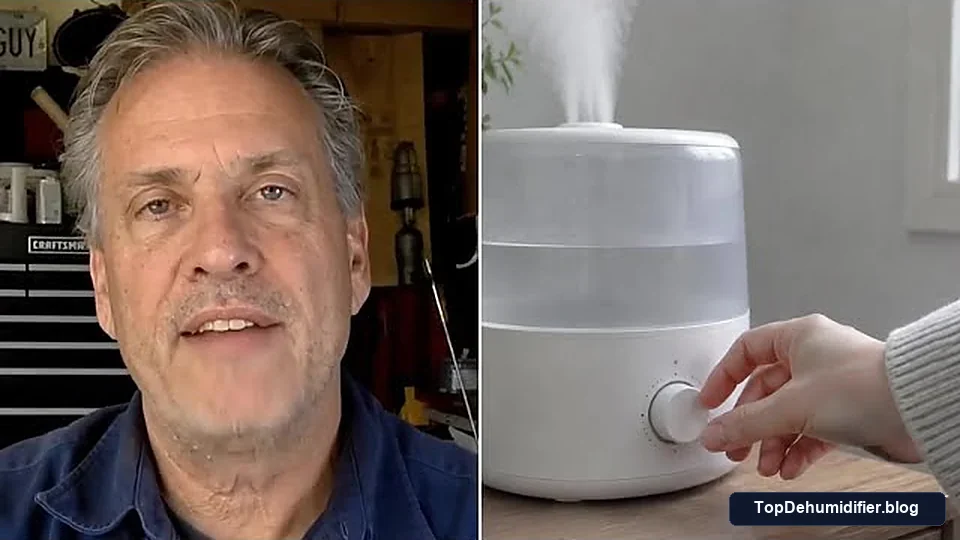
Remove your digital hygrometer from the wall and prepare a reliable salt-testing solution. Mix table salt with distilled water inside a small sealed plastic bag until it forms a slushy paste consistency.
Place the sensor inside the bag with the salt mixture without letting liquid touch the unit. Seal the bag completely and let it sit undisturbed in a stable room temperature for eight hours minimum.
The enclosed air space should stabilize at exactly seventy-five percent relative humidity. Adjust your hygrometer's calibration button until the display reads seventy-five percent precisely before returning it to service.
Repeat this verification process semi-annually to account for sensor aging and battery voltage drops. Reliable instrumentation is the foundation of effective winter furnace humidity management.
- Use a saturated salt test for reliable digital hygrometer calibration.
- Allow eight hours for the sealed container environment to stabilize.
- Adjust sensor readouts to match the seventy-five percent standard.
- Perform calibration checks twice yearly before seasonal shifts.
Deploying Sensors in Critical Thermal Zones
Mount your calibrated hygrometers on interior walls away from direct heat registers. Placing sensors near supply vents causes erratic temperature spikes that skew relative humidity calculations.
Position units at breathing height in main living areas and problematic lower levels. This gives an accurate representation of the environment occupants experience daily.
- Keep hygrometers away from direct sunlight and supply vents.
- Monitor basement and main floor levels independently.
Common Mistakes in Winter Moisture Control
Many homeowners crank whole-house humidifiers to maximum settings during freezing weather without checking outdoor temperatures. This mistake causes heavy frost accumulation and water staining on interior window frames.
Ignoring bathroom exhaust fans during cold weather cooking traps steam indoors and spikes relative humidity. Consult our dehumidifier vs air conditioner options to find the best extraction method.
Failing to clean or replace furnace air filters restricts airflow and drops heat exchanger efficiency. Clogged filters prevent proper air mixing, creating localized pockets of stagnant damp air in remote rooms.
Relying on unvented combustion appliances like vent-free gas logs introduces gallons of water vapor indoors. Every gallon of burned propane or natural gas releases massive moisture loads directly into your living envelope.
Neglecting crawlspace vapor barriers allows ground moisture to migrate upward into the living space. Address sub-floor earth emissions before attempting to regulate upper-level furnace humidity levels.
- Avoid running humidifiers at high settings during deep freezes.
- Always operate exhaust fans during cooking and showering routines.
- Replace furnace filters monthly to maintain proper airflow rates.
- Never use unvented combustion heaters in winter residential spaces.
Avoiding Over-Humidification Hazards
Excessive indoor humidity condenses inside cold exterior wall cavities, fostering mold growth. This unseen moisture degrades wooden framing members and rots structural insulation batts over time.
Always scale your target indoor humidity down as outdoor temperatures drop. Follow a sliding scale to keep interior moisture safe from freezing structural boundaries.
- Match indoor humidity targets to outdoor temperature ranges.
- Inspect exterior walls periodically for hidden frost or dampness.
Troubleshooting Condensation on Cold Exterior Glass
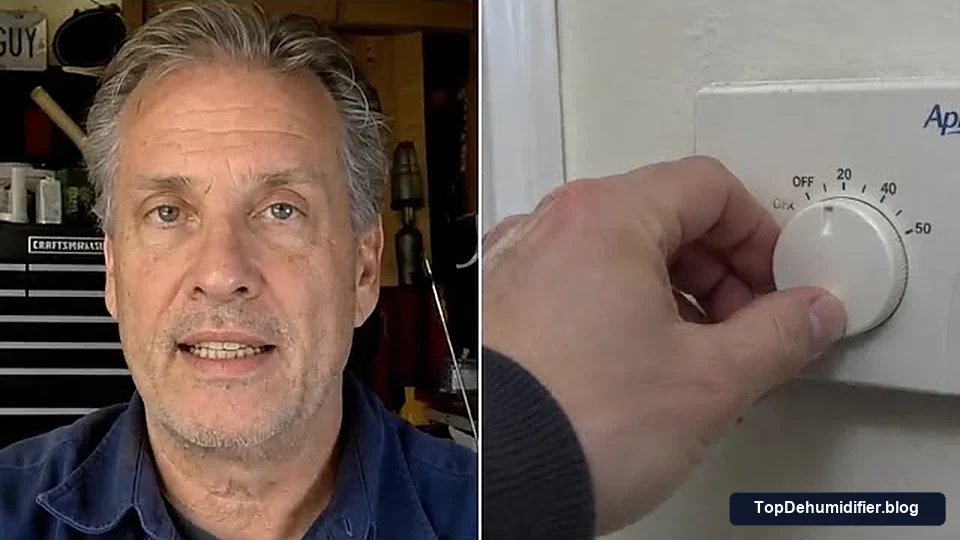
Water droplets pooling on double-pane window glass serve as your home's primary warning sign. This visible condensation proves that indoor relative humidity exceeds the local dew point for that glass surface temperature.
First, wipe the glass dry with a microfiber towel to prevent mold growth on surrounding sills. Next, reduce your humidifier output or increase ventilation to lower the overall indoor moisture concentration.
If condensation persists only on specific windows, check for broken thermal seals between panes. Failed insulated glass units lose their thermal resistance, causing the inner glass temperature to plummet dangerously.
Adding interior storm windows or thermal insulating films can raise interior glass surface temperatures. This upgrade pushes the local dew point lower, stopping annoying winter window sweating completely.
Ensure window treatments like heavy drapes are pulled back during freezing daylight hours. Trapped cold air pockets behind closed curtains chill the glass and trigger heavy moisture accumulation.
- Window condensation indicates indoor humidity exceeds the surface dew point.
- Wipe glass dry immediately and reduce active humidification output.
- Inspect double-pane units for broken seals and thermal failure.
- Keep window drapes open during the day to improve warm airflow.
Differentiating Between Window Sweating and Wall Vapor Drive
Surface condensation on glass is manageable, but moisture inside walls signals a deeper threat. Vapor drive pushes humidity through porous drywall until it hits cold sheathing and forms destructive liquid.
Use a professional pinless moisture meter to scan exterior walls near windows. High readings behind baseboards indicate vapor barrier failures requiring immediate mitigation.
- Scan exterior walls with a calibrated pinless moisture meter.
- Differentiate between glass condensation and hidden structural dampness.
Video Walkthrough: Why 50% goes wrong in January
Maintenance Protocols for Ducted Dehumidification Systems
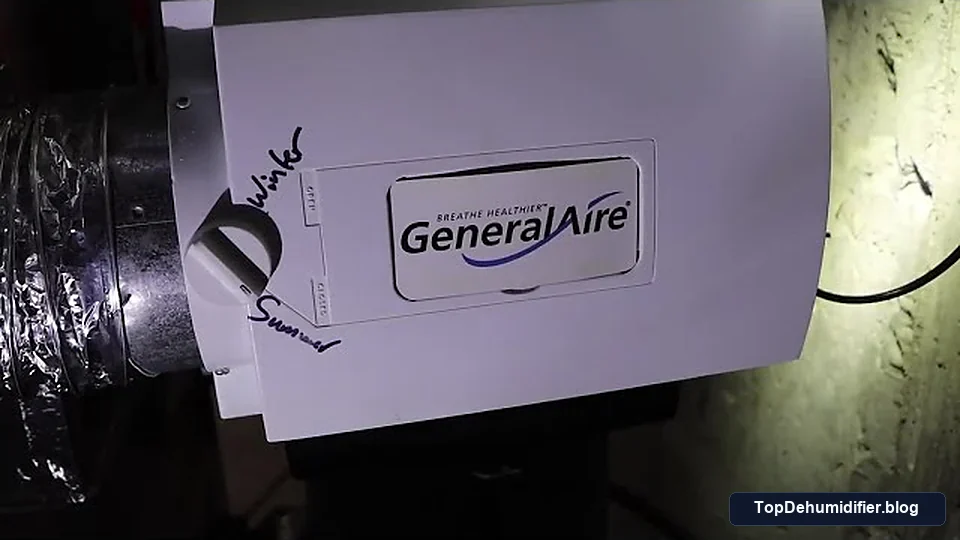
Whole-house dehumidifiers integrated with forced-air furnaces require strict seasonal maintenance schedules. Clean the washable intake air filters every month to maintain peak volumetric airflow across the refrigeration coils.
Inspect the condensate drainage tubing for algae blockages, kinks, or freezing risks. A frozen drain line causes water backups that can flood utility rooms and damage surrounding flooring materials.
Verify that the control board communicates correctly with the system relays. Before sizing units, use our pint capacity calculator to ensure the main blower fan handles moisture loads properly.
Check refrigerant line insulation for physical damage or degradation caused by vibration. Undamaged insulation prevents thermal loss and stops condensation from forming on the chassis exterior.
Schedule an annual technician inspection to check system refrigerant pressures and electrical connections. Preventive servicing extends equipment lifespan and guarantees reliable operation through extreme weather cycles.
- Clean integrated dehumidifier air filters on a monthly schedule.
- Inspect condensate drain lines for clogs and freezing risks.
- Verify interlock wiring with the central furnace blower relay.
- Schedule annual technical inspections for refrigerant checks.
Preventing Frozen Coils During Low-Temperature Operation
Operating refrigeration-based dehumidifiers in unheated basements during winter can freeze coils. Low ambient temperatures cause frost buildup that blocks airflow and burns out compressors prematurely.
Ensure basement temperatures remain above sixty degrees Fahrenheit when running equipment. Use dedicated space heaters or duct jumpers if necessary to keep the evaporator coil warm.
- Keep basement spaces above sixty degrees during dehumidification.
- Monitor evaporator coils for abnormal ice crystal formation.
Safety Standards and Ventilation Requirements in Winter
Tigher winter building envelopes restrict fresh air infiltration, sometimes causing indoor pollutant accumulation. Complying with residential ventilation standards ensures adequate oxygen exchange for combustion appliances and occupants.
Gas-fired furnaces require a steady supply of combustion air to operate safely without backdrafting. Never seal utility room louvers or vents, as this starves burners and creates dangerous carbon monoxide risks.
Install certified carbon monoxide detectors on every level of your home outside sleeping quarters. Test battery backups monthly and replace sensor units according to the manufacturer expiration guidelines.
Balanced mechanical ventilation systems like heat recovery ventilators provide fresh air without major thermal losses. These units temper incoming cold air using exhaust energy, maintaining stable indoor humidity.
Always prioritize combustion safety above achieving ideal relative humidity targets. A safe heating appliance outweighs minor indoor dryness discomforts in every residential safety standard.
- Maintain unobstructed combustion air supply vents for gas furnaces.
- Install and test carbon monoxide detectors on all home levels.
- Use heat recovery ventilators to supply fresh air efficiently.
- Prioritize appliance safety over strict indoor humidity targets.
Draft Hood and Vent Pipe Safety Checks
Inspect atmospheric furnace vent pipes for corrosion, separation, or winter ice blockages. Blocked flues spill toxic exhaust gases into living spaces, creating a severe lethal hazard.
Perform a basic draft test using a smoke match near the draft hood. Proper negative pressure draws combustion byproducts safely up the vertical chimney flue.
- Inspect metal vent pipes for rust and physical separation.
- Check draft hood operation with a smoke test annually.
Frequently Asked Questions
Why does my furnace make the air feel so dry in winter?
Heating cold outdoor air expands its capacity to hold water vapor without adding mass. This physical process drops indoor relative humidity down to uncomfortable dry levels rapidly.
What is the ideal indoor humidity setting during freezing weather?
Keep indoor relative humidity between thirty and thirty-five percent when outdoor temperatures drop below freezing. This prevents window condensation while protecting human respiratory health.
How can I stop window condensation without turning off my humidifier?
Wipe glass dry and lower your humidistat target by five percent increments. Installing thermal insulating window film also raises glass surface temperatures.
Do I need a dehumidifier if my furnace runs all winter?
Usually furnaces dry the air, but tightly sealed homes can trap moisture in basements. Use dehumidifiers only in problematic damp lower levels based on hygrometer readings.
How often should I calibrate my digital hygrometer?
Perform the salt-testing calibration method twice every year before seasonal shifts. This ensures your humidity readings remain accurate for proper furnace management.