Difference Between DOE and AHAM Pint Ratings
Navigating humidity extraction metrics requires understanding laboratory test protocols. Modern federal standards provide accurate performance baselines for consumers.

The DOE rating standard reflects realistic conditions by testing at cooler temperatures and lower humidity, resulting in lower pint capacities than older AHAM laboratory ratings.
Ready to compare models? Start with our Best Dehumidifier: Top Picks for Basements & Homes.
Practical Quick-Reference Table
| Rating Standard | Test Temperature | Relative Humidity | |
|---|---|---|---|
| AHAM Standard | 65 Degrees Fahrenheit | 60 Percent RH | |
| DOE Standard | 65 Degrees Fahrenheit | 60 Percent RH (Revised) | Note: DOE updated in 2019 to a much cooler 65F / 60% RH from older 80F / 60% RH. |
| Capacity Output | AHAM Shows Higher Pints | DOE Shows Lower Pints | |
| Energy Factor | AHAM Uses Energy Factor | DOE Uses Integrated Energy Factor (IEF) | |
| Real-World Match | AHAM Overestimates Capacity | DOE Matches Basement Baselines | |
| Selection Rule | Always Size by DOE | Ignore Legacy AHAM Box Labels |
Evolution of Dehumidifier Testing Standards
Dehumidifier capacity measurements have undergone significant regulatory changes over the past decade. Manufacturers historically relied on uniform industry guidelines to report moisture removal rates to the public.
These legacy protocols created inflated capacity claims that failed to match real-world basements. Evaluating modern options requires consulting our best 50 pint dehumidifier guide for realistic performance metrics under standard testing rules.
Understanding these baseline shifts helps technicians interpret older equipment manuals alongside modern purchase specifications. Equipment sizing depends entirely on accurate water removal metrics under standard operating loads.
- Legacy standards produced unrealistic performance expectations.
- Federal guidelines now mandate strict, uniform testing protocols.
- Basement temperatures demand colder testing environments.
- Consumer protection drives modern metric updates.
Historical Context of Appliance Testing
Early rating systems were designed in warm laboratory settings to maximize condensation rates. Equipment manufacturers marketed these peak numbers directly on retail packaging without contextual caveats.
Technicians quickly realized that cold basements drastically reduced actual moisture extraction efficiency. This performance gap sparked federal intervention to protect consumers from misleading efficiency claims.
- Warm labs favored high compressor output.
- Retail packaging favored inflated pint counts.
The Association of Home Appliance Manufacturers Protocol
The AHAM test procedure served as the industry benchmark for decades across North America. Laboratories operated test chambers at a warm baseline to measure maximum water removal.
This specific protocol measured moisture collection over a twenty-four hour continuous run cycle. Ambient conditions were strictly maintained to ensure repeatable results across different manufacturer samples.
While internally consistent, this warm baseline ignored how residential basements actually function. Most damp spaces hover well below the warm ambient thresholds used in legacy testing facilities.
- AHAM utilized a warm 80 degree Fahrenheit ambient baseline.
- Relative humidity was held constant at sixty percent.
- Continuous run cycles ignored compressor cycling losses.
- Results represented absolute best-case laboratory scenarios.
Limitations of Legacy Chamber Testing
Operating test chambers at elevated temperatures allowed refrigerant coils to condense moisture rapidly. To find units built for actual subterranean spaces, consult our best 50 pint dehumidifier for basement selection.
When installed in cool crawlspaces, those same units experienced severe capacity drops. Technicians needed a regulatory metric that reflected true subterranean operating environments.
- Elevated temperatures mask poor coil design.
- Cool environments trigger premature frost accumulation.
Video Walkthrough: How to Size a Dehumidifier: Pints per Day, AHAM vs Saturation Ratings
The Department of Energy Federal Test Standard
The DOE federal test protocol was introduced to correct the shortcomings of legacy industry measurements. Federal regulators mandated a much colder, more realistic test chamber environment.
By dropping the ambient test temperature, the new standard forces compressors to work harder. This accurately simulates the challenging thermal conditions found in typical residential basements.
Consequently, modern units display lower pint capacities on energy labels, much like the Midea Cube 50 pint dehumidifier review demonstrates through honest accounting of real-world physics.
- DOE testing utilizes a cooler 65 degree Fahrenheit baseline.
- Energy factor calculations include standby and cycling power.
- Mandatory compliance applies to all units sold nationwide.
- Labels provide true comparative performance metrics.
Impact of Temperature Reductions on Condensation
Lowering ambient testing temperatures reduces the vapor pressure differential across evaporator coils. Moisture naturally clings less aggressively to colder metallic surfaces under these revised rules.
This physical limitation lowers the total water volume collected within a twenty-four hour window. Manufacturers had to redesign internal refrigeration circuits to maintain efficiency.
- Coil temperatures approach frost thresholds faster.
- Refrigerant mass flow requires precise engineering tuning.
Direct Comparison of Capacity Metrics
Comparing an old AHAM rating to a modern DOE rating reveals a significant numerical discrepancy. A machine previously rated at seventy pints under AHAM rules might drop to fifty pints under DOE.
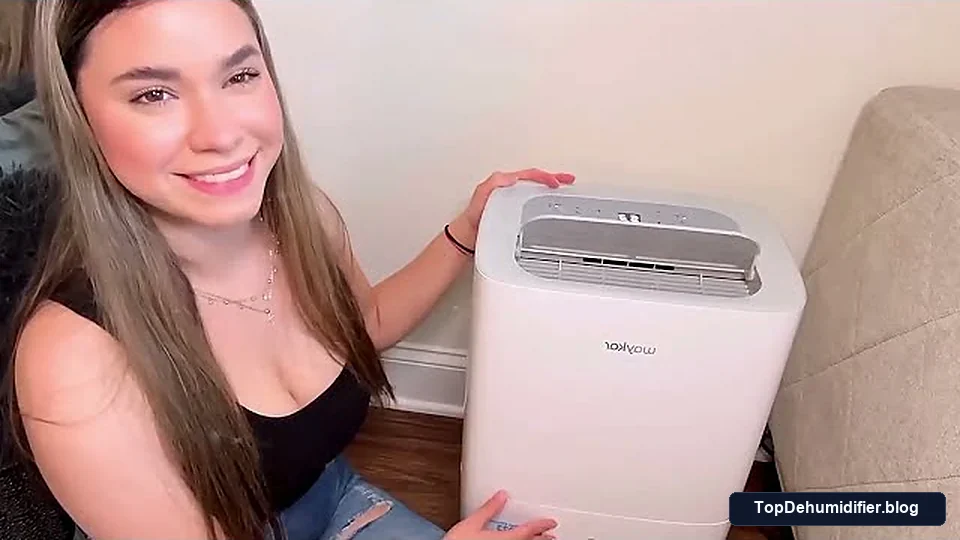
This difference represents a shift in testing physics rather than an engineering downgrade. Consumers must never compare legacy ratings directly against current federal specifications.
Sizing calculations must always utilize current DOE pint ratings, which you can estimate using our pint capacity calculator tool to prevent continuous compressor runtime and high utility bills.
- Pint ratings drop by roughly thirty percent under federal rules.
- Physical hardware inside the chassis often remains identical.
- Label comparisons require checking the governing test standard.
- Sizing charts rely strictly on updated volumetric metrics.
Translating Old Ratings to New Standards
Experienced technicians apply mental conversion factors when evaluating legacy inventory or secondhand equipment. Estimating real capacity requires stripping away the inflated warm-room legacy numbers.
Always verify the publication year or testing standard printed on the safety certification label. Relying on outdated box claims guarantees improper moisture control in humid zones.
- Secondhand units demand careful specification verification.
- Safety labels list the exact testing protocol utilized.
Energy Efficiency and Modern Consumption Factors
Beyond water removal capacity, federal regulations transformed how energy consumption is calculated and reported. The old Energy Factor metric has been replaced by more comprehensive efficiency formulas.
Modern units must account for energy consumed during defrost cycles and standby operational modes. These parasitic loads impact the true cost of operating a dehumidifier year-round.
Reviewing the integrated energy factor helps technicians select models that minimize electrical demand. High-efficiency compressors save substantial money over the operational lifespan of the equipment.
- Integrated metrics include compressor cycling power losses.
- Standby power draws are factored into annual estimates.
- Energy Star certifications require strict compliance thresholds.
- Utility rebates depend on updated efficiency metrics.
Evaluating Standby and Defrost Power Draws
Dehumidifiers spend considerable time idling or running low-wattage fan cycles between active dehumidification periods. Measuring this passive power draw ensures accurate efficiency transparency.
Advanced electronic controls and digital hygrostats consume steady phantom power while monitoring ambient conditions. Modern testing standards capture these hidden electrical loads effectively.
- Digital displays add minor continuous electrical loads.
- Defrost heaters require short bursts of high amperage.
Practical Selection and Sizing Guidelines
Proper equipment sizing requires matching the updated DOE pint capacity to the square footage of the space. Ignoring these federal numbers results in damp basements and overworked compressors.
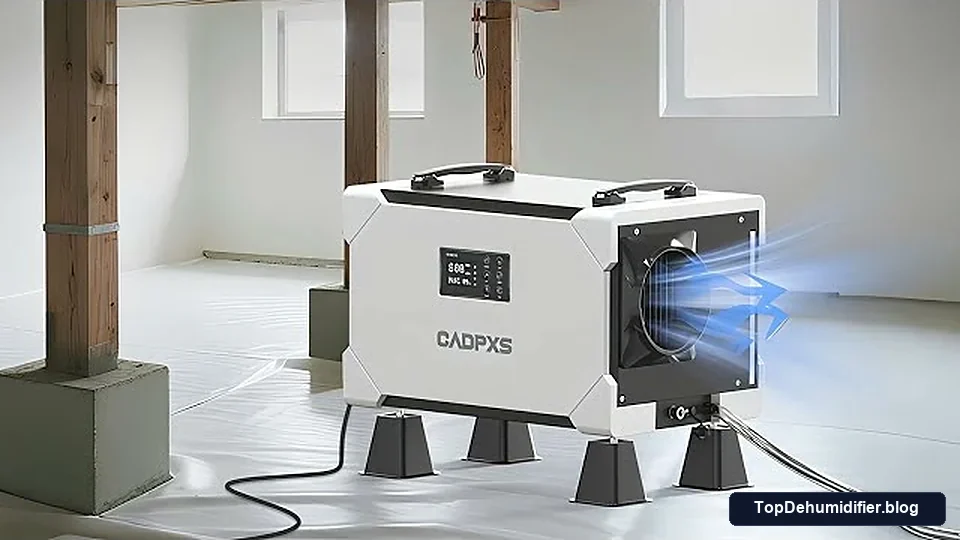
Always calculate room volume, moisture sources, and ambient temperature before purchasing a drainage unit. Colder spaces require larger capacity margins to overcome thermal inefficiencies.
Consulting comprehensive manufacturer sizing guides ensures optimal moisture removal without wasting electricity. Proper placement further enhances airflow and maximizes overall condensation efficiency.
- Base calculations strictly on modern DOE pint ratings.
- Account for high-moisture zones like crawlspaces and laundry rooms.
- Maintain adequate clearance around intake and exhaust grills.
- Position units centrally to encourage natural convective airflow.
Matching Capacity to Subterranean Environments
Basements and crawlspaces present unique thermal challenges due to surrounding earth temperatures. Selecting a unit rated for cooler operating conditions prevents premature coil icing.
Verify that the chosen model features an automatic defrost cycle for reliable low-temperature performance. This technical feature protects the compressor from catastrophic liquid slugging.
- Earth-contact walls maintain permanently cool surface temperatures.
- Auto-defrost sensors prevent evaporator coil blockage.
Frequently Asked Questions
Why do DOE pint ratings look lower than older AHAM ratings?
The DOE test standard uses a much cooler ambient temperature of sixty-five degrees. This realistic baseline reduces condensation rates compared to older warm-room laboratory tests.
Did manufacturers actually change the internal compressor size?
Physical hardware often remains identical despite the lower certified number on the packaging. The drop in rated pints reflects stricter federal math rather than a smaller machine.
How does temperature affect daily water removal performance?
Colder air holds significantly less moisture vapor and lowers evaporator coil efficiency. Operating units in cool basements naturally decreases total daily water collection volumes.
Should I use old sizing charts when replacing an older unit?
Always rely on updated DOE sizing guidelines to prevent purchasing an undersized machine. Legacy charts use inflated capacity numbers that will leave your space feeling damp.
What is the Integrated Energy Factor used in modern ratings?
The Integrated Energy Factor measures overall electrical efficiency including standby power and defrost cycles. This metric provides a realistic estimate of your true monthly utility costs.