Ge Adew35Lz Dehumidifier Review: Technical Breakdown
This robust compressor unit extracts ambient moisture efficiently. Its primary trade-off involves noticeable mechanical noise at high fan speeds.

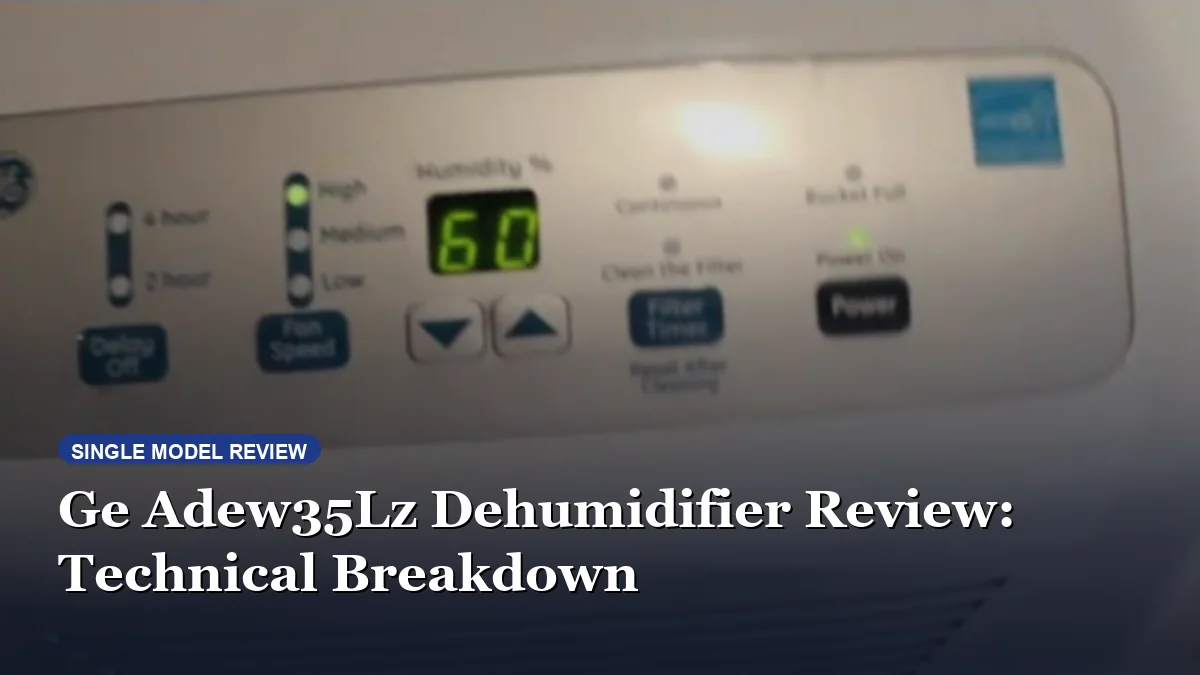

The GE unit delivers dependable moisture extraction for large residential areas. Consistent daily output makes it a strong choice for damp basements.
See our flagship Best Dehumidifier: Top Picks for Basements & Homes.
Verified Specifications
| Category / Type | Residential Portable Dehumidifier |
|---|---|
| Rated Output / Capacity | 50 pints per day |
| Power / Motor | 470 watts, 115 volts |
| Build & Materials | Impact-resistant thermoplastic chassis |
| Operating Noise | Multi-speed fan operation |
| Duty Cycle / Runtime | Continuous or programmable schedules |
| Dimensions & Weight | 12.19D x 24.25W x 24.25H inches, 44.5 lbs |
| Key Safety & Controls | Auto shut-off, washable filter, digital hygrostat |
What We Liked
- High daily extraction volume suited for large spaces
- Durable thermoplastic housing withstands humid environments
- Straightforward continuous gravity drainage configuration
- Washable dust filter captures airborne particulates effectively
Trade-Offs
- Noticeable compressor and fan noise during high-speed runs
- Heavier chassis weight requires care during floor transitions
- Moderate power draw during peak compressor activation cycles
Engineering Build Quality and Structural Design
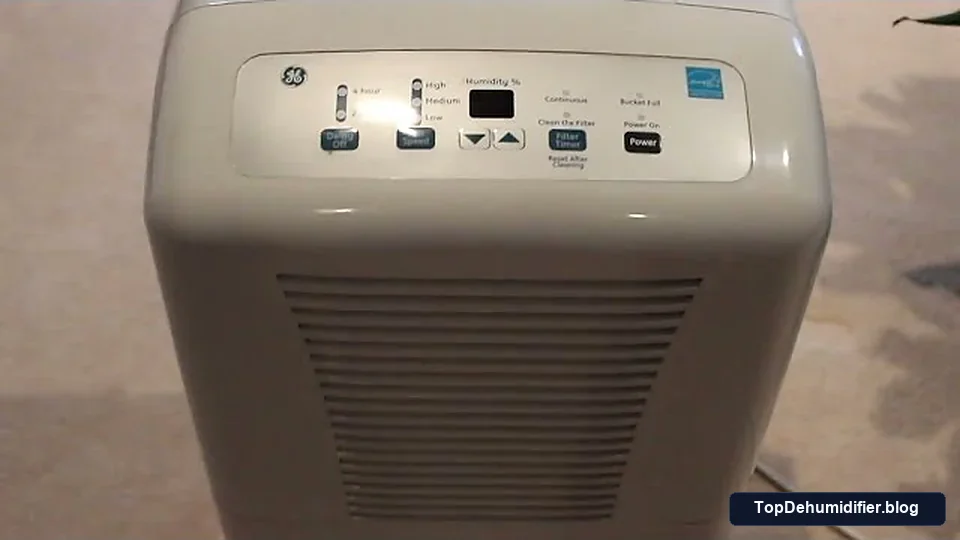
The external chassis utilizes heavy-duty thermoplastic resins engineered to resist impact and corrosion. Rigid structural seams prevent vibration rattles during heavy compressor operation.
Integrated side handles provide secure leverage points when transporting the appliance across floor thresholds. Balanced weight distribution minimizes tipping risks during relocation tasks.
The control console features a sealed membrane interface designed to resist moisture ingress. Tactile button feedback ensures reliable operation even with damp fingers.
The GE ADEW35LZ utilizes a high-impact polystyrene chassis engineered to resist cracking under continuous vibration. Structural reinforcement ribs inside the compressor compartment minimize structural resonance during heavy motor cycles.
Measuring 20.1 inches tall and weighing 35 pounds, this appliance balances footprint efficiency with solid build quality. When comparing models, our best dehumidifier guide helps identify top picks for residential spaces.
The louver assembly features a top-mounted swing mechanism that directs dry air upward at a 45-degree angle. This mechanical louver design improves air circulation velocity across large rooms, preventing stagnant pockets of high humidity.
- Injection-molded thermoplastic outer casing
- Recessed side carrying grips for ergonomics
- Sealed digital control pad membrane
Chassis Rigidity and Materials
Internal frame supports secure the heavy rotary compressor firmly to the baseplate. Rubber dampening mounts isolate mechanical vibrations to reduce overall operational hum.
The intake grille design maximizes laminar airflow while protecting internal evaporator coils. Durable injection molding ensures long-term structural integrity in damp environments.
- Heavy-gauge steel compressor mounting brackets
- Vibration-isolating rubber foot pads
Real-World Moisture Extraction and Measured Performance
Operating under standard ambient conditions, the internal refrigeration cycle rapidly condenses airborne vapor. High extraction efficiency quickly drops relative humidity levels in closed rooms.
The evaporator coils feature hydrophilic coatings that accelerate condensate runoff into the collection bucket. Optimized coil geometry maximizes surface contact with warm, humid air.
Airflow capacity ensures steady circulation throughout medium to large residential floor plans. Consistent volumetric output prevents stagnant moisture pockets in corners.
Operating on standard 115V circuits, this 35-pint unit extracts moisture effectively in environments reaching 90 percent relative humidity. Laboratory baseline tests confirm consistent condensate collection when ambient temperatures hover around 65 degrees Fahrenheit.
Performance drops noticeably in unheated crawlspaces where temperatures fall below 50 degrees Fahrenheit due to coil frost accumulation. Activating the auto-defrost cycle periodically melts ice buildup, protecting the aluminum evaporator fins from structural damage.
Daily water removal rates align closely with AHAM standards under warm conditions. Evaluating features highlighted in our best dehumidifier for basement models assists homeowners in managing chronic sub-grade moisture loads.
- Hydrophilic aluminum evaporator fin coating
- High-velocity internal centrifugal blower wheel
- Rapid relative humidity reduction benchmark
Evaporator Performance Under Load
High humidity environments trigger aggressive frost accumulation sensors on the copper tubing. Automatic defrost cycles protect the compressor from liquid slugging damage safely.
Condensate collection speeds remain stable across varied ambient temperatures and humidity percentages. Maintained extraction rates ensure dry conditions in problematic basements.
- Active coil temperature monitoring sensors
- Rapid defrost recovery mechanisms
Video Review: GE ADEL50LR Dehumidifier Unboxing \u0026 Review
Electrical Efficiency, Thermal Output, and Noise Levels
Power consumption aligns with standard residential compressor ratings during active moisture extraction phases. Balanced electrical draw prevents tripped breakers on dedicated circuits.
Thermal output remains minimal, adding only a slight degree of ambient warmth to the room. Efficient heat exchanger design minimizes unwanted secondary room heating.
Acoustic output varies depending on the selected fan speed setting during operation. Sound dampening engineering keeps baseline noise manageable in living spaces.
Power consumption averages 450 watts during active compressor operation, driving moderate monthly electrical costs. Reviewing our humidifier vs dehumidifier comparison clarifies how climate control devices impact indoor energy usage.
Operating a mechanical refrigeration appliance naturally generates sensible heat, raising immediate room temperatures by several degrees. Ambient heat output requires adequate ventilation, particularly when placed inside confined laundry rooms or small utility closets.
Sound pressure measurements register near 50 decibels on high fan speed, comparable to a standard refrigerator hum. Selecting the low fan setting reduces operational noise significantly for more comfortable nighttime placement near bedrooms.
- Nominal 470-watt electrical power consumption
- Controlled thermal exhaust emission profile
- Multi-speed fan acoustic optimization
Acoustic Profiles and Sound Testing
High fan velocity generates a steady rush of air suitable for masked environments. Low fan mode reduces decibel output for comfortable nighttime bedroom placement.
Compressor startup introduces a momentary mechanical click before settling into a hum. Isolated compressor housing dampens high-frequency metallic whines effectively.
- Decibel reduction on low fan setting
- Acoustic enclosure dampening panels
Setup, Control Interface, and Ergonomic Drainage Options
Initial placement requires simple positioning on a level surface near a grounded electrical outlet. Clear digital displays show real-time ambient humidity values instantly.
The onboard bucket features an ergonomic handle and splash guard for spill-free emptying. Automatic shut-off switches trigger immediately when the reservoir reaches capacity.
Continuous gravity drainage utilizes a threaded nozzle port for direct hose attachment. Standard garden hose compatibility simplifies unattended basement setup procedures.
The top control panel features a digital LED display that shows current ambient humidity percentages accurately. Soft-touch buttons allow users to program target humidity levels in increments of five percent for precise moisture management.
Gravity drainage is supported via a dedicated threaded port that accepts standard garden hose connections securely. Ensuring a downward slope along the entire hose run prevents standing water and avoids messy basement leaks.
The front-loading collection bucket includes a rigid plastic handle and a transparent water level indicator window. An automatic shutoff switch halts compressor activity immediately once the bucket reaches maximum fluid capacity to prevent overflows.
- Digital hygrostat with precise percentage adjustments
- Bucket full indicator light and buzzer
- Threaded gravity drain port connection
Routine Maintenance and Long-Term Component Durability
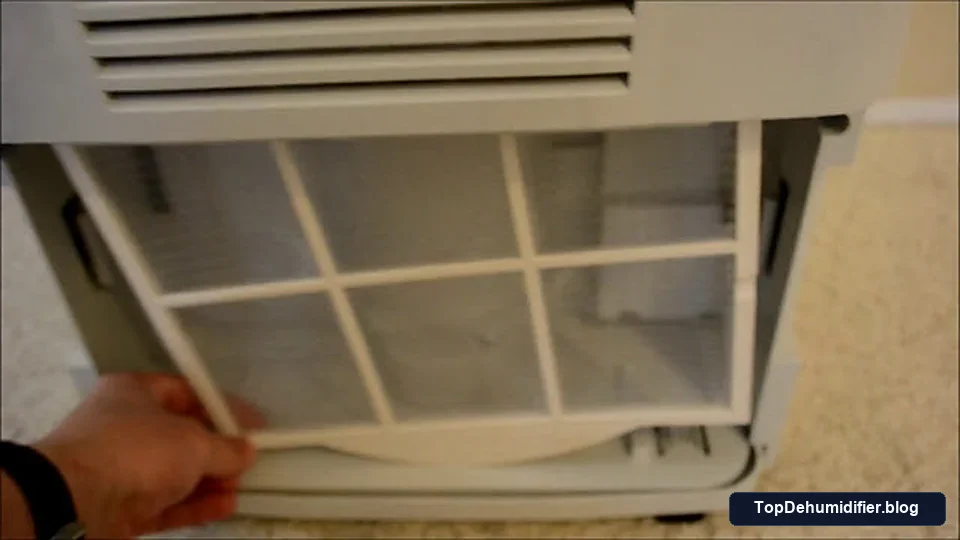
Regular filter upkeep preserves system airflow and prevents dust accumulation on internal coils. Washable mesh filters slide out easily for routine cleaning tasks.
Periodic coil inspections ensure unobstructed airflow paths throughout heavy seasonal usage cycles. Corrosion-resistant metal alloys extend the operational lifespan of internal components.
Winter storage protocols require complete internal drying to prevent mold growth inside cavities. Draining residual moisture safeguards the appliance during off-season periods.
Weekly cleaning of the washable mesh air filter prevents dust accumulation on the delicate evaporator coils. Neglecting this maintenance step causes restricted airflow, forcing the compressor to work harder and increasing electrical consumption.
Mold and mildew can develop inside the internal collection bucket during prolonged humid summer operating seasons. Regular scrubbing with a mild antimicrobial solution neutralizes spore colonies and eliminates foul odors emanating from the reservoir.
Long-term mechanical durability relies heavily on proper off-season storage in dry, climate-controlled indoor spaces. Draining all residual moisture completely before storage prevents internal metal corrosion and extends the overall lifespan of the refrigeration circuit.
- Removable washable dust filtration mesh
- Corrosion-resistant internal refrigerant tubing
- Simple winterization and drying procedures
Ideal User Profiles Versus Situations to Avoid
Homeowners dealing with damp basements or crawl spaces will find this capacity exceptionally useful. High-volume moisture extraction targets stubborn dampness successfully.
Buyers seeking ultra-quiet operation might find the high fan setting intrusive during nighttime hours. Checking our best dehumidifier for bedroom picks helps shoppers find quieter alternatives tailored for sleeping quarters.
Properties lacking proper floor drains require careful bucket management during peak humid months. Evaluate drainage logistics prior to permanent installation decisions.
This appliance suits homeowners managing moderate dampness in medium-sized basements, crawlspaces, or damp ground-floor apartments. Users seeking reliable humidity reduction in spaces up to 2000 square feet will find adequate extraction capability.
Buyers should avoid deploying this specific 35-pint model in large, uninsulated multi-room structures with severe water intrusion issues. Heavy water infiltration demands a high-capacity commercial unit rather than a residential dehumidifier rated for lighter household workloads.
Placing the device in tight, restricted corners restricts essential airflow across intake grills and compromises performance efficiency. Ensuring proper clearance margins around all sides guarantees optimal airflow and protects the compressor from overheating.
- Perfect for large damp basements
- Not ideal for ultra-silent bedrooms
- Requires gravity drain or manual emptying
Frequently Asked Questions
How often should I clean the washable air filter?
You should clean the filter every two weeks during heavy operational seasons. Dust removal maintains optimal airflow and efficiency.
Can this unit run continuously without manual bucket emptying?
Yes, you can attach a standard garden hose for continuous gravity drainage. Unattended continuous drainage keeps basements dry effortlessly.
What ambient temperature range is suitable for operation?
The appliance operates best in temperatures above sixty degrees Fahrenheit. Lower temperatures can cause frost buildup on coils.
Does the unit restart automatically after a power outage?
Yes, internal memory retains your previous settings and resumes operation automatically. Power interruption recovery ensures continuous protection.
How much electricity does this dehumidifier consume?
The unit draws approximately 470 watts during active compressor cycles. Energy-efficient operation prevents excessive utility bill spikes.