What Temperature Is Too Cold for Compressor Dehumidifier?
Compressor dehumidifiers rely on warm, humid air to condense moisture efficiently. Operating them in cold environments risks severe mechanical failure and frost accumulation.

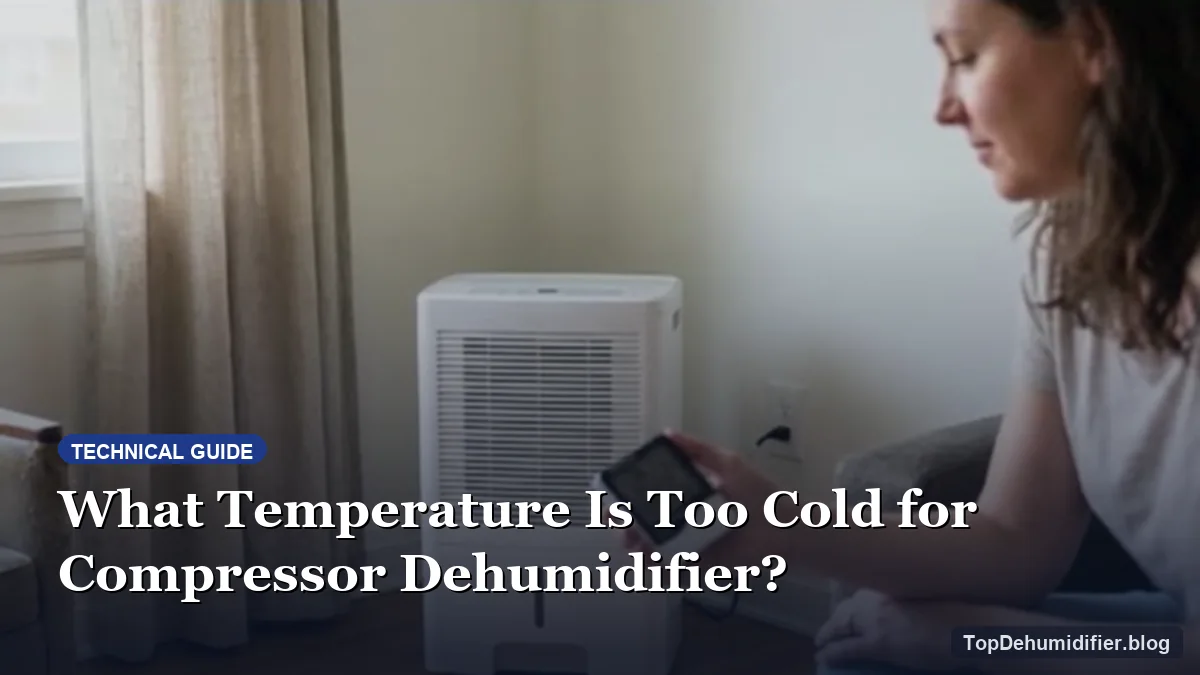
Standard compressor dehumidifiers struggle significantly when ambient temperatures drop below 65 degrees Fahrenheit. Below 55 degrees, frost forms rapidly on the evaporator coils, halting all moisture extraction.
Ready to compare models? Start with our Best Dehumidifier: Top Picks for Basements & Homes.
Practical Quick-Reference Table
| Ambient Temperature | Operational Status | Recommended Action |
|---|---|---|
| > 65°F | Optimal Performance | Run standard compressor unit normally. |
| 60°F - 65°F | Reduced Efficiency | Monitor coil frost and extend run cycles. |
| 50°F - 59°F | High Frost Risk | Use a desiccant model or add safe space heating. |
| < 50°F | Total Failure / Icing | Turn off compressor unit immediately to prevent burnout. |
| Unheated Basements | Seasonal Drop | Relocate equipment upstairs during winter months. |
| Crawlspaces | Extreme Cold Risk | Install insulated ductwork and auxiliary ambient heating. |
Thermodynamic Limits of Refrigeration Dehumidifiers
Traditional compressor dehumidifiers operate using a standard refrigeration cycle to pull moisture from ambient air. Warm air passes over cold evaporator coils, causing water vapor to condense rapidly.
This thermodynamic process depends heavily on a specific temperature differential between the incoming air and the refrigerant. When ambient air cools down, this crucial thermal gradient collapses entirely.
Without sufficient ambient heat, the liquid refrigerant inside the sealed copper tubing cannot absorb enough thermal energy. Consequently, the entire system loses its intended dehumidification capacity and stalls out.
Manufacturers design these household appliances for conditioned indoor living spaces rather than unconditioned sub-spaces. Recognizing these physical limits protects your investment from premature compressor motor burnout and total failure.
- Relies on standard vapor-compression refrigeration loops.
- Requires warm air for proper coil condensation.
- Thermal gradient collapses in cold environments.
- Designed primarily for conditioned indoor spaces.
Refrigerant Pressure Behavior in Cold Rooms
Low ambient temperatures reduce operating pressures inside the sealed compressor refrigeration circuit significantly. You can consult humidifier vs dehumidifier for cold choices to understand why this pressure drop prevents the expansion valve from functioning correctly.
Consequently, liquid refrigerant floods back toward the compressor intake instead of evaporating fully in the coils. This liquid slugging damages internal valves and ruins the compressor motor.
- Lowers internal system operating pressures.
- Causes dangerous liquid refrigerant slugging.
Frost Formation Mechanics on Evaporator Coils
When room temperatures drop below sixty degrees, moisture hitting the evaporator coils freezes instantly. This ice layer insulates the tubing, preventing any further heat transfer or moisture removal.
Most modern units feature automatic defrost cycles that pause refrigeration to melt accumulated ice. However, in persistently cold rooms, the machine spends more time defrosting than actually drying air.
Continuous icing cycles strain the electrical control board and overload the fan motor. Ignoring these persistent frost warnings leads to permanent component degradation and expensive hardware repairs.
Always monitor coil conditions whenever operating refrigeration appliances in cooler basements or garages. Spotting early frost buildup prevents catastrophic thermal overloads and extends overall equipment lifespan.
- Freezes incoming moisture on cold evaporator coils.
- Triggers frequent automatic defrost cycle pauses.
- Strains electrical control boards and fan motors.
- Leads to permanent component degradation.
Thermal Barriers Caused by Ice Layers
Frost thickness acts as an extreme thermal barrier between ambient air and refrigerant lines. This barrier drops refrigeration efficiency to near zero within minutes.
Automatic defrost sensors often fail in sub-optimal environments due to continuous ice bridging. Manual intervention becomes necessary to protect the internal electrical windings.
- Acts as an extreme thermal barrier.
- Causes automatic sensor failures.
Video Walkthrough: Compressor vs Desiccant Dehumidifiers Finally Explained!
Temperature Thresholds and Operational Safety Standards
Industry standards dictate that standard compressor dehumidifiers should never run below sixty-five degrees Fahrenheit. Operating below this baseline invites severe mechanical stress and drastically reduced moisture extraction rates.
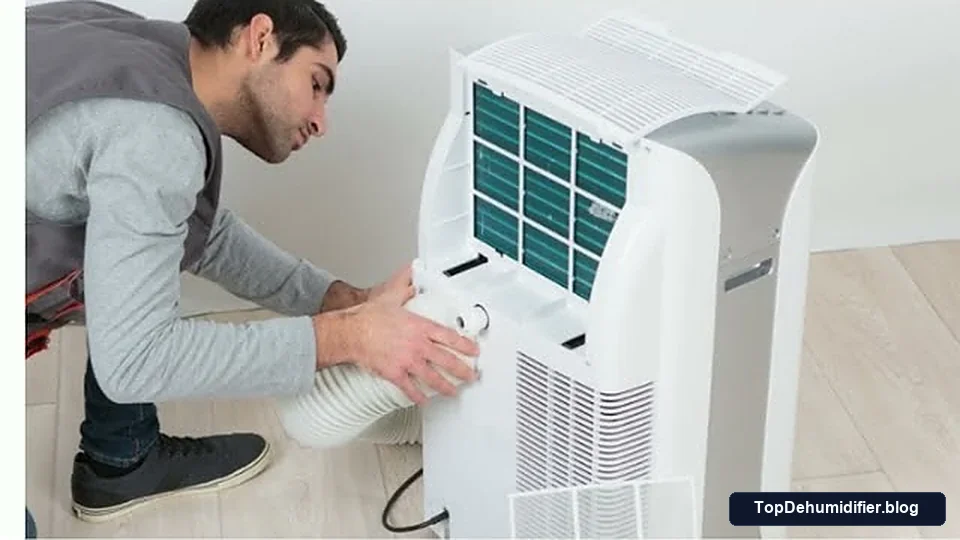
Below fifty-five degrees, frost formation outpaces the built-in defrost mechanism's ability to clear the coils. At this stage, running the appliance wastes electricity and risks burning out the compressor.
Safety circuits are designed to shut down units during extreme low-voltage or freezing scenarios. Never bypass these built-in thermal cutoffs to force operation in unheated outbuildings.
Adhering to strict manufacturer temperature guidelines ensures household safety and prevents potential electrical fires. Protect your equipment by verifying ambient room conditions before starting any drying cycle.
- Maintain minimum temperatures above sixty-five degrees.
- Respect built-in defrost mechanism limits.
- Never bypass thermal safety cutoffs.
- Prevent electrical fires and motor burnout.
Electrical Overload Risks in Cold Environments
Electrical current draws spike dangerously when compressors attempt to pump refrigerant through frozen lines. Exploring desiccant dehumidifier options explains how this severe overload trips internal thermal protection switches instantly.
Always verify that your operating environment maintains the minimum required ambient temperature before initiating prolonged extraction tasks in unconditioned spaces.
- Spikes electrical current draws.
- Trips internal thermal switches.
Comparative Analysis with Desiccant Technologies
Unlike compressor units, desiccant dehumidifiers utilize absorbent materials and internal heaters to extract moisture. They perform exceptionally well in cold environments like unheated garages or winter cabins.
Desiccant models do not rely on refrigeration coils, completely eliminating the risk of ice formation. This makes them the superior choice for spaces experiencing temperatures below sixty degrees.
However, desiccant systems consume more electricity because they actively heat incoming air during the absorption process. Weigh energy consumption against extraction needs when selecting your hardware.
Understanding the operational differences between these two technologies prevents costly purchasing mistakes. Match your equipment type precisely to your specific regional climate and structural needs.
- Utilize absorbent materials and internal heaters.
- Eliminate risk of evaporator coil ice formation.
- Consume more electricity during operation.
- Ideal for cold garages and unheated cabins.
Silica Gel Rotor Regeneration Mechanics
Rotor wheels coated in silica gel absorb ambient water vapor directly without phase changes. A small internal regeneration heater continuously dries out this wheel during rotation.
This mechanical simplicity allows desiccant units to function reliably down to freezing temperatures where traditional compressor systems fail completely and shut down.
- Absorbs vapor via coated rotor wheels.
- Regenerates via small internal heaters.
Environmental Factors in Unheated Zones
Basements, crawlspaces, and detached workshops present unique thermal challenges for standard refrigeration dehumidifiers. These spaces often experience drastic seasonal temperature drops that compromise moisture control.
Air stratification in lower levels keeps the coldest air trapped directly at floor level where units sit. Elevating your appliance slightly can improve intake temperatures marginally.
Insulation upgrades and minor space heating can bridge the temperature gap required for compressor operation. Always assess the entire structural envelope before deploying moisture control equipment.
Ignoring ambient environmental factors leads to persistent dampness despite running equipment constantly. Monitor relative humidity and temperature simultaneously using a calibrated digital hygrometer.
- Present unique thermal challenges in basements.
- Air stratification traps cold air near floors.
- Require careful structural envelope assessment.
- Demand simultaneous humidity and temperature monitoring.
Thermal Drains from Concrete Foundations
Radiant heat loss through concrete foundation walls suppresses ambient temperatures below safe operational thresholds. Installing exterior perimeter insulation mitigates this thermal drain effectively.
Natural ventilation drafts introduce cold exterior air, counteracting internal dehumidification efforts and chilling evaporator coils rapidly. Seal all unconditioned air leaks before starting equipment.
- Causes radiant heat loss through foundations.
- Introduces cold drafts via ventilation.
Diagnostic Procedures for Low-Temperature Malfunctions
Diagnosing a malfunctioning unit covered in our rv dehumidifier for cold weather review requires checking coil frosting patterns. Unplug the system immediately if you observe solid ice encasing the tubing.

Measure the exact room temperature near the air intake grille using an accurate digital thermometer. If readings fall below safe limits, relocate the appliance immediately.
Inspect the electrical wiring and compressor relay for signs of overheating caused by continuous low-temp cycling. Professional multimeter testing may be required to verify capacitor integrity.
Documenting recurring error codes helps technicians identify whether the issue stems from low ambient heat or mechanical failure. Never ignore persistent warning lights or unusual buzzing sounds.
- Check coil frosting patterns and airflow.
- Measure intake temperatures with thermometers.
- Inspect electrical wiring and compressor relays.
- Document recurring operational error codes.
Manual Defrost and Filter Checks
Perform a manual defrost test by unplugging the unit and allowing all ice to melt completely before restarting in a warmer area.
Check airflow restrictions caused by dirty washable filters that exacerbate coil icing issues during borderline operational temperature conditions.
- Perform manual defrost testing.
- Inspect and clean washable filters.
Preventive Maintenance and Seasonal Storage Protocols
Proper seasonal maintenance extends the operational lifespan of your refrigeration unit significantly. Use our pint capacity calculator and clean washable mesh filters monthly to ensure optimal airflow and prevent premature icing.
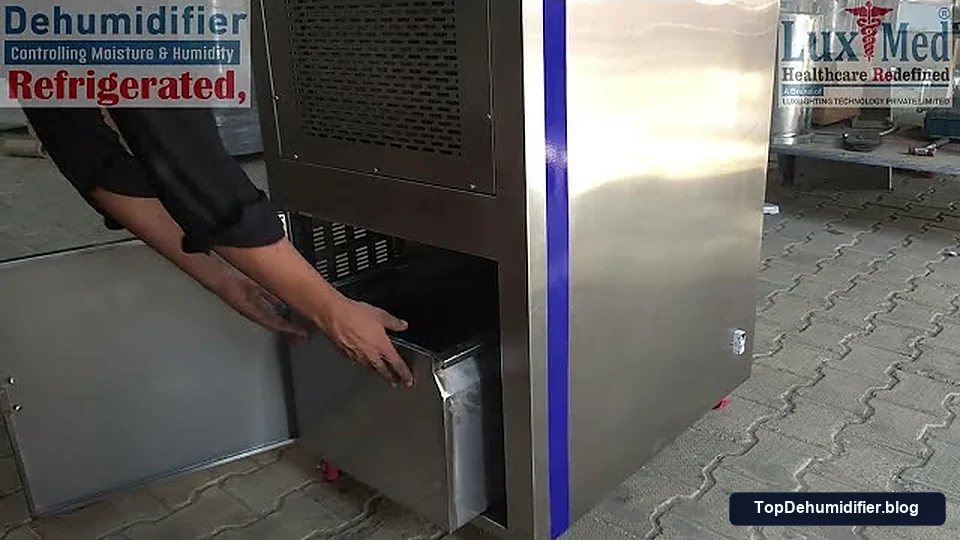
Store compressor units in climate-controlled indoor locations during freezing winter months to protect internal seals. Extreme cold storage damages vulnerable copper tubing and compressor mounts.
Drain all residual moisture completely from the internal water bucket before packing the machine away for long periods. Prevent mold growth by leaving the bucket access door slightly open.
Adhering to strict preventive maintenance protocols ensures your equipment remains ready for action when humid spring weather finally returns. Prioritize safety and proper care always.
- Clean washable mesh filters monthly.
- Store units in climate-controlled indoor locations.
- Drain residual moisture before storage.
- Prepare equipment for humid spring weather.
Power Cord and Bearing Inspections
Inspect power cords for cracking or fraying caused by cold temperatures during previous operating seasons. Replace damaged cords immediately to avoid electrical hazards.
Lubricate fan motor bearings according to manufacturer specifications to prevent squeaking and mechanical binding during initial start-up cycles.
- Inspect power cords for cold-weather damage.
- Lubricate fan motor bearings.
Frequently Asked Questions
Can I run my compressor dehumidifier in an unheated garage during winter?
Operating a standard compressor dehumidifier inside an unheated winter garage will cause rapid evaporator coil icing and permanent electrical compressor motor burnout within hours.
Therefore, you must utilize an alternative desiccant drying technology for all unconditioned spaces that drop below sixty degrees Fahrenheit during cold seasonal months to ensure effective structural moisture control.
What happens if ice forms on my dehumidifier coils?
Persistent ice formation on refrigeration coils creates a thick thermal barrier that completely stops the condensation process and severely overloads the internal fan motor.
You must safely unplug the appliance immediately and allow all accumulated frost to melt completely inside a heated indoor room before attempting any further electrical operation or restarting the extraction cycle.
Can I use a space heater to keep my basement warm enough for a compressor dehumidifier?
Using a safe auxiliary electric space heater can successfully raise ambient basement temperatures well above the critical operational threshold required for standard compressor dehumidifiers.
However, combining these two heavy electrical appliances significantly increases residential energy consumption and requires very careful circuit monitoring to prevent dangerous household electrical overloads.
How do I know if my basement is too cold for my dehumidifier?
You can determine ambient environmental conditions by placing a calibrated digital hygrometer and thermometer directly next to the air intake grille.
If room temperatures consistently drop below sixty-five degrees Fahrenheit, your compressor dehumidifier will experience severe extraction inefficiency or ice accumulation. Regularly checking these thermal metrics prevents unexpected equipment damage and ensures your basement remains properly protected against mold growth.
Do compressor dehumidifiers have a built-in low temperature shutoff?
Most modern compressor dehumidifiers feature automatic defrost sensors or built-in low-temperature electronic shutoffs to protect internal mechanical components. When these ambient sensors detect near-freezing conditions, the refrigeration cycle automatically pauses to prevent catastrophic compressor motor failure.
However, relying solely on these safety switches without monitoring room climate can still shorten the overall lifespan of your equipment.