Inside House Humidity Summer: Target Levels
Combat high seasonal moisture effectively by understanding psychrometric principles. Protect your living environment using precise measurement and strategic dehumidification hardware.


Maintain indoor relative humidity between 30% and 50% during summer. Exceeding 60% RH accelerates mold proliferation and structural degradation.
Ready to compare models? Start with our Best Dehumidifier: Top Picks for Basements & Homes.
Practical Quick-Reference Table
| Scenario / Metric | Recommended Target | Why It Matters |
|---|---|---|
| Ideal Summer RH | 45% to 50% | Prevents condensation while maintaining human comfort. |
| Basement Spaces | 35% to 45% | Inhibits mold growth in cool subterranean masonry zones. |
| Living Areas | 40% to 50% | Protects wooden furniture and drywall integrity. |
| Hygrometer Accuracy | Plus or Minus 2% | Ensures reliable sensor calibration and operational triggers. |
| Airflow Clearance | 12 to 18 Inches | Prevents intake starvation and compressor overheating risks. |
| Drain Hose Slope | 1/4 Inch Per Foot | Guarantees gravity-fed water removal without pooling. |
Understanding Summer Atmospheric Moisture Dynamics
Warm summer air holds significantly more water vapor than cold winter air. When this humid outdoor air infiltrates your living space, it increases the dew point and creates sticky indoor conditions.
Without active mechanical extraction, moisture permeates porous building materials like drywall and framing lumber. Controlling this latent heat load requires matching latent cooling capacity to your specific square footage.
Understanding how relative humidity interacts with ambient temperature helps you prevent structural rot. High moisture levels also degrade indoor air quality by encouraging dust mite populations and microbial activity.
Building science dictates that vapor pressure differentials drive moisture through exterior walls. Stopping this migration requires maintaining a balanced indoor envelope pressure and deploying proper mechanical dehumidification units.
Summer weather brings warm air holding massive amounts of water vapor, which elevates indoor dew points rapidly. When outside temperatures soar, latent heat loads increase stress on your residential building envelope significantly.
High ambient outdoor dew points exceeding sixty degrees Fahrenheit force moisture through porous concrete and wooden subfloors. Controlling this invasive moisture requires understanding how vapor pressure differentials drive humidity straight into living spaces.
As air conditioner evaporator coils cool indoor air, they condense water vapor efficiently, acting as primary dehumidifiers. However, oversized cooling systems short-cycle, leaving excessive relative humidity trapped indoors despite feeling cold and clammy.
Monitoring foundation conditions remains vital because cool underground surfaces attract condensation aggressively. Without proper vapor barriers, check out our best dehumidifier for crawl space under house selections to control indoor humidity levels all summer.
- Monitor outdoor dew points daily to gauge heavy infiltration risks.
- Seal rim joists and crawlspaces to reduce stack effect moisture pulls.
- Keep interior doors open to facilitate unhindered cross-ventilation.
- Use exhaust fans during bathing and cooking to lower base loads.
The Psychrometric Relationship Explained
Psychrometrics measures the physical and thermodynamic properties of gas-vapor mixtures. As air temperature rises, its capacity to hold invisible water vapor expands exponentially.
Condensation occurs when warm, moisture-laden air contacts cooler surfaces like basement walls. Lowering the ambient temperature alone does not remove water; you must extract the actual moisture mass.
- Absolute humidity measures total water weight per volume of air.
- Relative humidity compares current vapor to maximum holding capacity.
Calculating Proper Dehumidifier Sizing and Capacity
Selecting the correct pint capacity prevents short-cycling and ensures efficient moisture removal. For whole-home coverage, consult our best dehumidifier for whole house guide to avoid driving up your monthly electric bills.
Calculate your required daily extraction rate based on total room volume and baseline dampness. Severely damp basements require higher pint ratings than moderately humid upstairs living rooms.
Manufacturer specifications typically categorize units by capacity extracted over twenty-four hours. Always reference the AHAM standard rating rather than maximum theoretical laboratory output claims.
Oversizing a unit can cause the evaporator coils to freeze before extracting moisture. Match your equipment footprint directly to the calculated cubic footage of the target space.
Choosing the correct dehumidifier capacity prevents excessive energy consumption and mold growth. Use our pint capacity calculator to match proper pints per day ratings to your exact space.
For moderately damp spaces experiencing visible surface condensation, select units rated for fifty pints daily to maintain stable conditions. Extremely wet basements require heavy-duty seventy-pint models equipped with continuous drainage capabilities for reliability.
Calculating room square footage alone ignores critical environmental factors like high occupancy rates or indoor clothes drying habits. Always factor in ceiling height dimensions and baseline moisture infiltration when sizing your heavy-duty mechanical dehumidifier.
Undersized units run continuously without reaching target humidity setpoints, which causes premature compressor burnout and inflated utility bills. Investing in proper equipment sizing ensures optimal mechanical efficiency and extends the operational lifespan.
- Measure total square footage including attached open-concept hallways.
- Add fifty percent capacity if the space is actively damp or prone to floods.
- Verify amperage draws match your household circuit breaker limits.
- Choose heavy-duty compressor models for continuous subterranean deployments.
Evaluating Pint Ratings Against Room Conditions
A thirty-pint unit suits moderately damp basements up to fifteen hundred square feet. Extremely wet environments demand fifty to seventy-pint models to maintain acceptable indoor relative humidity.
Assess local climate severity before finalizing your equipment purchase decision. Humid coastal regions require higher continuous extraction capacity than arid inland desert environments.
- Consult sizing charts based on moisture severity levels.
- Factor in occupant respiration and indoor plant moisture output.
Video Walkthrough: Search filters
Strategic Placement and Airflow Optimization

Position your unit in a central location with unobstructed airflow paths. If noise matters, review our quietest whole house dehumidifier picks so placement never compromises evaporator coil efficiency.
Maintain at least one foot of clearance around all intake and exhaust grilles. Good air circulation ensures that treated air distributes evenly throughout the entire room.
Basement installations require placing the unit away from corner stagnation zones. Elevate the appliance slightly if working in areas prone to minor floor pooling or damp concrete.
Avoid placing dehumidifiers near heat sources like laundry dryers or sunlit windows. Elevated ambient temperatures reduce refrigerant cooling efficiency and strain the compressor motor.
Positioning your dehumidifier centrally in the dampest living area maximizes air intake efficiency across the internal evaporator coils. Maintain at least twelve-inch clearances around all intake grilles and exhaust vents to prevent airflow restriction.
Placing units flat against interior walls starves the fan motor of necessary return air, drastically reducing moisture extraction rates. Utilize oscillating auxiliary fans nearby to circulate stagnant air pockets and accelerate overall room evaporation effectively.
Basements require positioning units away from dusty corners where lint and debris clog washable air filters rapidly. Proper placement near the primary moisture source guarantees the hygrometer reads accurate relative humidity throughout the basement.
Avoid placing portable dehumidifiers near kitchen stoves or bathroom showers where excessive heat and steam interfere with internal humidistat readings. Strategic placement optimizes cross-room air circulation for balanced and consistent indoor atmospheric dryness.
- Center the appliance to maximize residential air mixing.
- Keep grilles free of dust lint and pet hair blockages.
- Avoid enclosed closets unless louvered doors permit airflow.
- Use oscillating fans to assist overall air distribution.
Calibration and Hygrometer Measurement Standards
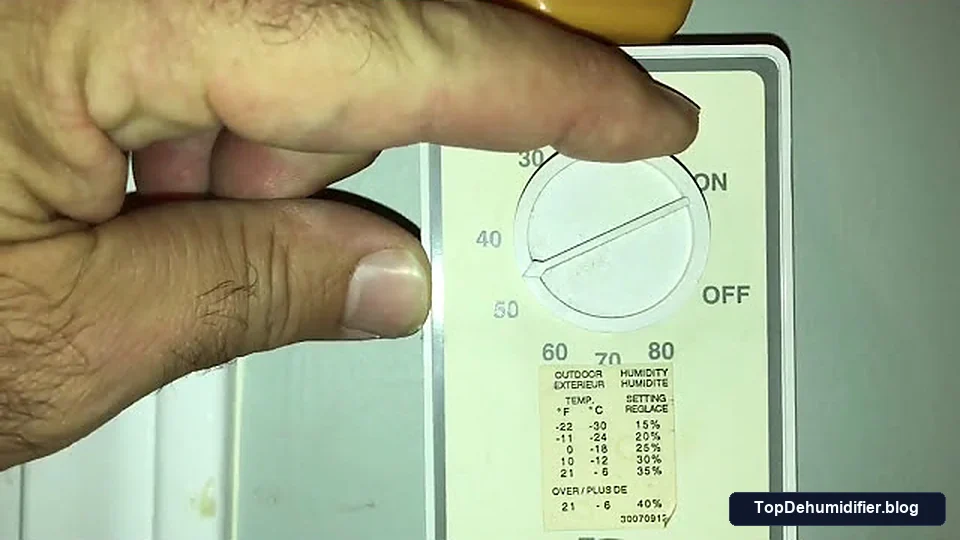
Built-in humidistats often drift due to continuous exposure to high moisture. Calibrate your external digital hygrometer using the salt test method for reliable measurement accuracy.
Place your measuring device away from direct drafts and moisture-producing appliances. Accurate sensor readings prevent premature equipment shutoff and maintain comfortable living conditions.
Digital sensors degrade over several seasons of heavy summer use. Replace standalone hygrometers every few years to ensure precise control over your indoor climate envelope.
Compare internal unit display readings against a trusted reference hygrometer. If discrepancies exceed five percent, adjust the digital control panel offset accordingly.
Digital hygrometers lose calibration over time due to dust accumulation and extreme seasonal humidity shifts inside residential properties. Perform a salt test calibration annually to verify your sensor reads relative humidity within acceptable accuracy thresholds.
Place your hygrometer inside a sealed plastic bag alongside a mixture of table salt and distilled water for six hours. The resulting test environment should stabilize at seventy-five percent humidity, allowing you to calculate calibration offsets.
Inaccurate hygrometer readings lead homeowners to over-dry their living spaces, causing hardwood flooring shrinkage and dry wall cracking. Maintaining a reliable indoor relative humidity between forty and fifty percent requires precise sensor measurements.
Position your calibrated hygrometer at mid-height on an interior wall away from direct sunlight and supply air vents. This ensures your monitor tracks true ambient conditions rather than localized microclimates near windows or doors.
- Use a saturated salt slurry inside a sealed bag for testing.
- Allow hygrometers two hours to stabilize in test environments.
- Mount sensors at mid-wall height for representative readings.
- Record baseline relative humidity metrics morning and night.
Routine Maintenance Protocols and Coil Care
Dust accumulation on evaporator coils severely inhibits thermal transfer efficiency. Inspect and wash permanent mesh air filters every two weeks during peak summer operating seasons.
Unplug the appliance before performing any internal cleaning or maintenance tasks. Use mild dish soap and warm water to scrub away accumulated dust and debris.
Check condensate buckets for slime or mold growth on a weekly basis. Scrub reservoirs with a vinegar solution to prevent biological blockages in the drainage system.
Inspect power cords for fraying or insulation damage before restarting equipment. Never operate appliances with damaged plugs or compromised electrical wiring configurations.
Dust-coated evaporator coils insulate the refrigerant tubing, drastically reducing the machine's ability to condense ambient moisture from warm air. Clean washable mesh filters every two weeks using mild dish soap and warm water.
Inspect internal coils monthly for frost buildup or stubborn mineral deposits that restrict airflow and damage the compressor motor permanently. Annual coil cleaning with a non-acidic foaming cleaner restores optimal heat exchange efficiency safely.
Neglecting bucket sanitation fosters mold colonies and slime growth inside the collection reservoir, producing foul odors throughout your home. Empty and sanitize the collection bucket using diluted bleach solutions to prevent microbial contamination entirely.
Check the condensate collection float switch regularly to ensure it shuts the unit off when the bucket fills completely. A stuck float switch causes catastrophic water overflows and severe structural damage to your flooring.
- Vacuum filter surfaces monthly to remove stubborn pet dander.
- Sanitize collection buckets to prevent unpleasant mildew odors.
- Inspect coils for frost buildup indicating low refrigerant levels.
- Store units upright in dry conditions during off-seasons.
Electrical Safety and Continuous Drainage Systems
Continuous gravity drainage eliminates the hassle of emptying heavy water buckets. Install reinforced vinyl tubing routed securely to a floor drain or sump pit.
Ensure drain hoses maintain a continuous downward slope to prevent pooling. Sagging lines cause water backups and trigger automatic overflow safety shutoff switches.
Connect high-draw compressors directly to grounded wall outlets. Avoid standard extension cords, which cause voltage drops and create severe electrical fire hazards.
Verify that your chosen outlet features ground fault circuit interrupter protection. Wet basement environments demand strict adherence to modern electrical safety codes.
Heavy-duty dehumidifiers draw significant electrical current during compressor startup, requiring dedicated circuit connections to prevent household breaker trips. Always plug your unit directly into a ground fault circuit interrupter outlet for safety.
Never use extension cords or power strips with high-draw appliances because they generate excessive heat and create serious fire hazards. Using heavy-gauge power cords ensures safe electrical transmission under continuous operating loads in damp environments.
Gravity drainage setups require a continuous downward slope toward a floor drain to prevent kinks and accidental water pooling. Secure vinyl drain tubing with zip ties to maintain proper fall angles and prevent accidental dislodgement.
When routing drainage uphill or over long horizontal distances, install an external condensate pump with an automatic safety switch. This reliable pump system prevents basement water damage by safely lifting water to elevated discharge points.
- Secure hose connections with metal clamps to prevent slips.
- Test internal condensate pumps monthly for mechanical reliability.
- Never run power cords underneath heavy rugs or carpeting.
- Unplug units during severe electrical storms and power surges.
Troubleshooting Compressor Faults and Frosting Issues
Ice accumulation on evaporator coils usually indicates low ambient temperatures. Most consumer units struggle to operate efficiently when room temperatures drop below sixty-five degrees Fahrenheit.
Dirty air filters restrict airflow and cause refrigerant temperatures to plummet. Clean or replace clogged mesh filters immediately to restore normal operating pressures.
If the compressor hums but fails to pull water, check for leaks. A refrigerant leak renders the thermodynamic cooling cycle completely ineffective.
Reset unresponsive electronic control boards by unplugging the unit entirely. Wait five minutes before restoring power to clear temporary digital error codes.
Low ambient room temperatures cause evaporator coils to freeze solid, halting moisture extraction and potentially destroying the sealed refrigeration system. Dehumidifiers require operating temperatures above sixty-five degrees Fahrenheit to prevent destructive coil icing.
If your compressor hums briefly before clicking off, a faulty overload relay or capacitor may require professional electrical replacement. Diagnosing electrical faults safely involves testing component continuity with a calibrated digital multimeter while unplugged.
Restricted airflow caused by dirty filters or blocked grilles drops coil temperatures below freezing, turning condensed water into solid ice. Regular filter maintenance prevents evaporator coil frosting and restores normal refrigeration cycle pressures.
Listen for unusual clicking noises or metallic rattling, which indicate loose internal mountings or failing compressor suspensions needing immediate repair. Addressing mechanical noises early prevents total compressor failure during peak summer humidity spikes.
- Turn off freezing units immediately to let ice melt safely.
- Check room thermometer to ensure proper operating ranges.
- Inspect internal wiring harnesses for loose terminal connections.
- Consult professional technicians for sealed system refrigerant repairs.
Frequently Asked Questions
What is the best humidity level for a house in summer?
Maintain indoor relative humidity between 45% and 50% for optimal comfort. Exceeding this threshold promotes mold growth and structural moisture damage.
Why is my dehumidifier running constantly without lowering humidity?
Undersized equipment or open windows frequently cause continuous run cycles. Ensure your unit capacity matches the square footage and seal all exterior entry points.
How often should I clean my dehumidifier filter?
Wash your mesh air filter every two weeks during peak summer usage. Dirty filters restrict airflow, reduce extraction efficiency, and strain the compressor motor.
Can I use an extension cord with a large portable dehumidifier?
Never use standard extension cords with high-draw compressor appliances. Plug the unit directly into a grounded wall outlet to prevent dangerous electrical overloads.
Why is ice forming on the coils of my dehumidifier?
Frost accumulation occurs when ambient temperatures drop below sixty-five degrees. Clean your dirty air filters and relocate the appliance to a warmer space.