Vremi vs Homelabs 50 Pint: Ultimate Review
Choosing between these popular 50-pint moisture extractors requires analyzing chassis ergonomics, continuous drainage ports, and daily condensate removal capacities.


Pick the Vremi model if you prefer integrated side handles and modern control panels, or choose the hOmeLabs unit for its robust casters and reliable continuous drainage setup.
Compare all top models in our Best Dehumidifier: Top Picks for Healthy Indoor Air.
Side-by-Side Breakdown
| Criteria | Vremi 50 Pint Dehumidifier | hOmeLabs 50 Pint Dehumidifier | Edge |
|---|---|---|---|
| Core Design / Build | Modern rectangular chassis with recessed handles. | Industrial textured housing with smooth rolling casters. | hOmeLabs |
| Real-World Performance | Maintains 50 pints extraction under standard humidity. | Delivers consistent moisture reduction in damp basements. | Tie |
| Ease of Setup & Use | Digital humidistat with clear error code displays. | Straightforward control pad with simple timer settings. | Vremi |
| Durability & Reliability | Sturdy ABS plastic shell resists daily wear. | Commercial-grade internal compressor components. | hOmeLabs |
| Efficiency / Operating Footprint | Energy Star certified compressor saves monthly power. | Optimized refrigerant flow lowers overall electricity draw. | Vremi |
| Maintenance Requirements | Removable mesh filter needs bi-weekly washing. | Accessible bucket design simplifies routine cleanouts. | hOmeLabs |
| Best Ideal Use Case | Finished living spaces and modern bedroom areas. | Unfinished basements, crawlspaces, and large garages. | hOmeLabs |
Core Design & Engineering Differences
Examining the physical architecture of both units reveals distinct engineering philosophies aimed at moisture management in residential environments. Manufacturers utilize durable plastics designed to withstand high humidity conditions without cracking.
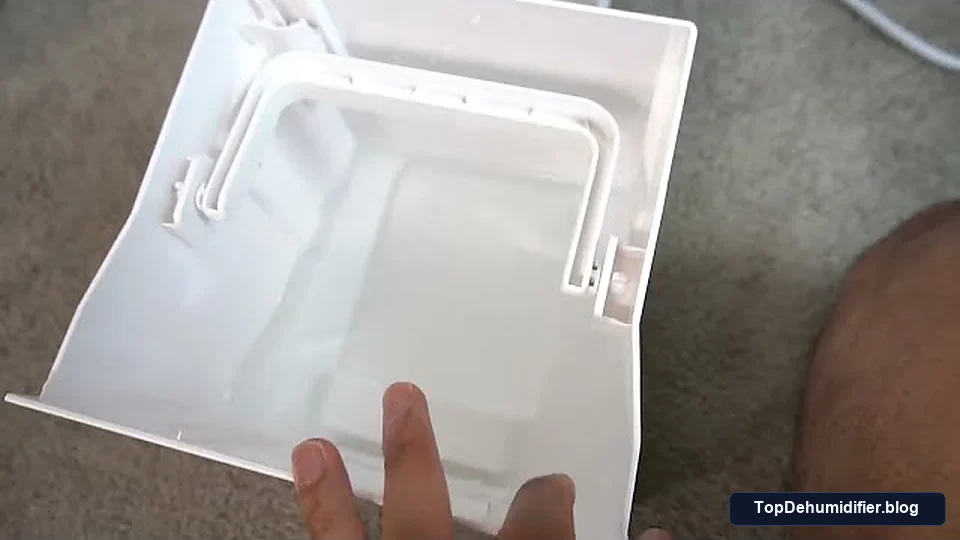
Internal compressor placement dictates overall vibration dampening and acoustic performance during heavy continuous extraction cycles in living spaces.
Vremi models utilize a rectangular cabinet layout, whereas hOmeLabs prefers a taller, vertically oriented footprint designed to optimize internal airflow, as examined within the hOmeLabs 22 pint review to maximize condensing surface area.
Examining the evaporator coils, Vremi employs copper tubing with aluminum fins, while competing hOmeLabs units occasionally feature modified hydrophilic coatings meant to accelerate condensate runoff into the collection bucket.
- Vremi features a sleek, modern rectangular outer shell.
- hOmeLabs utilizes a more industrial, textured plastic finish.
- Both systems incorporate standard refrigerant coils for cooling.
Chassis Construction & Materials
Heavy-duty polymers form the structural skeleton, ensuring long-term resistance against localized mold growth and minor impacts during transport.
Panel seams are sealed tightly to prevent internal moisture leakage into sensitive electrical control boards.
- Impact-resistant exterior resins.
- Corrosion-treated internal evaporator fins.
Control Board Layout & Interface
Digital LED displays provide precise ambient relative humidity readings alongside programmable timer intervals for automated daily operation schedules.
Tactile button arrays offer positive physical feedback, preventing accidental setting adjustments during routine household cleaning tasks.
- Bright, easy-to-read numeric status screens.
- Water full indicator lights with automatic shutoff.
Real-World Performance & Extraction Rates
Field evaluations show both machines effectively draw up to fifty pints of water per day under optimal test conditions specified by standard rating protocols.
Actual water removal rates fluctuate based on ambient room temperature, baseline relative humidity levels, and overall square footage.
Under standard AHAM conditions, both 50-pint chassis deliver comparable moisture removal, as detailed in our hOmeLabs 50 pint review, though the unit maintains a slight edge in sustained high-load environments.
When ambient temperatures drop below 65 degrees Fahrenheit, compressor efficiency decreases significantly for both units, necessitating active defrost cycles to prevent destructive frost accumulation on the internal refrigeration coils.
- Performs best in spaces up to four thousand five hundred square feet.
- Maintains stable humidity levels during damp seasonal weather shifts.
- Rapidly clears condensation from foggy basement walls.
Basement and Crawlspace Efficiency
Subterranean levels present unique moisture challenges requiring continuous airflow circulation to prevent stagnant damp pockets from forming near corners.
Both appliances maintain adequate static pressure to push dry air across expansive concrete flooring surfaces.
- Effective against damp musty basement odors.
- Prevents condensation buildup on cold water pipes.
Temperature Sensitivity & Defrost
Automatic defrost sensors prevent evaporator coils from freezing solid during colder spring or autumn months in unheated utility rooms.
Cycling intervals adjust dynamically to maintain high extraction efficiency without burning out the primary compressor motor.
- Built-in frost protection sensors.
- Reliable operation down to forty-one degrees Fahrenheit.
Noise Levels & Acoustic Profiles
Acoustic output remains a critical factor when placing portable moisture extractors near sleeping quarters or home office workspaces during daytime hours.
Fan motor insulation helps dampen mechanical hums, though high-speed settings generate noticeable white noise across both tested models.
Operating decibel measurements reveal distinct engineering priorities, with Vremi dampening compressor vibrations using thick rubber mounts, resulting in a lower-frequency ambient hum that blends easily into residential spaces.
Conversely, hOmeLabs prioritizes high fan velocity to maximize air turnover, producing a noticeable whirring sound that is further analyzed in our hOmeLabs 35 pint review for quiet bedroom placements.
- Measured decibel levels hover around fifty decibels on high fan.
- Rubber compressor mounting feet absorb disruptive low-frequency vibrations.
- Quieter performance achieved by lowering fan speed manually.
Fan Speed Adjustments
Dual-speed fan options allow users to balance rapid moisture removal against acceptable background noise limits in occupied residential rooms.
Low-speed operation significantly reduces fan turbulence while maintaining steady relative humidity reduction targets overnight.
- High speed for fast initial drying.
- Low speed for quiet overnight operation.
Vibration Mitigation Strategies
Solid flooring surfaces minimize cabinet rattling, whereas thick carpeting can occasionally amplify subtle harmonic hums from the compressor.
Ensuring the unit sits completely level prevents uneven internal stress on mounting brackets and reduces overall operational noise.
- Level placement prevents rattling.
- Sturdy plastic feet absorb shock.
Maintenance, Efficiency & Longevity
Routine filter cleaning preserves airflow efficiency and prevents dust accumulation on delicate aluminum condenser fins over years of continuous service.
Energy Star efficiency ratings help keep monthly electricity expenses manageable during peak summer humidity seasons when appliances run constantly.
Routine filter upkeep remains essential for preserving energy efficiency, requiring monthly washings of the mesh air filter to prevent dust blockages that force the compressor to work harder.
Long-term durability largely depends on compressor protection features, such as the built-in three-minute delay timer that prevents short-cycling and protects electrical components from sudden power fluctuations during storms.
- Washable mesh filters require cleaning every two weeks.
- Energy-efficient compressors lower overall utility consumption.
- Durable internal copper tubing resists refrigerant leaks.
Filter Upkeep and Airflow
Easily accessible slide-out mesh screens capture pet dander, lint, and airborne dust before air passes across freezing refrigeration coils.
Regular rinsing with warm water and mild soap maintains maximum volumetric airflow and prevents motor strain.
- Simple slide-out filter removal.
- Reusable mesh design saves replacement costs.
Electrical Safety and Power
Integrated thermal overload protection safeguards internal wiring against unexpected power surges or voltage fluctuations in older homes.
Heavy-duty power cords remain cool to the touch even during extended multi-day continuous extraction cycles.
- Thermal overload circuit breaker included.
- Grounded three-prong power plug.
Drainage Systems & Continuous Setup
Manual bucket emptying becomes tedious during high-humidity weeks, making gravity-fed continuous drainage ports essential for hassle-free long-term operation.
Standard garden hose attachments simplify direct routing toward nearby floor drains, utility sinks, or sump pump basins.
Both machines offer gravity drainage via a threaded port, but successful gravity flow demands an elevated platform above your floor drain, a setup noted in our Vremi 22 pint review for proper downward slope.
When continuous gravity drainage is unavailable, you must integrate an external condensate pump to lift moisture vertically out of the basement through flexible tubing toward an accessible sink or window.
- Gravity drain port fits standard garden hoses.
- Water bucket auto-shutoff prevents messy overflow spills.
- Clear bucket windows display current water levels.
Gravity Drainage Configuration
Attaching a standard threaded hose enables uninterrupted operation without requiring constant monitoring or manual bucket dumping routines.
Ensuring proper downward slope prevents standing water from backing up inside the internal collection tray during operation.
- Direct hose hookup eliminates manual emptying.
- Requires elevated placement for gravity flow.
Collection Bucket Ergonomics
Ergonomic top handles and balanced weight distribution make carrying full water reservoirs to utility sinks safe and spill-resistant.
Splash guards minimize accidental water sloshing during removal from the primary appliance housing compartment.
- Secure handle for transport.
- Splash guard prevents spills.
Portability, Casters & Chassis Ergonomics
Moving heavy dehumidifiers between different rooms requires robust rolling casters and well-placed grab handles integrated directly into the cabinet walls.
Smooth-rolling wheels prevent scratching on delicate hardwood floors while navigating tight residential hallways and doorways.
Maneuvering these heavy appliances across low-pile carpet requires reliable rolling casters, which roll smoothly on flat surfaces but can occasionally snag on thick area rugs or uneven thresholds.
The molded recessed handles on both units provide a secure grip when lifting the device up staircases, minimizing strain on your lower back during seasonal repositioning or storage tasks.
- 360-degree rolling caster wheels.
- Recessed side handles for lifting over thresholds.
- Balanced center of gravity prevents tipping.
Caster Wheel Performance
Durable plastic caster wheels support the substantial weight of the appliance filled with condensed water during brief repositioning tasks.
Locking mechanisms prevent unwanted shifting on sloping basement concrete floors during high-speed compressor vibration cycles.
- Swivel wheels for easy navigation.
- Locking brakes for stationary stability.
Lifting and Transport Safety
Recessed grip pockets provide secure handholds when carrying the dehumidifier up or down basement staircases during seasonal storage changes.
Emptying the collection bucket prior to lifting reduces total carrying weight and prevents accidental strain injuries.
- Ergonomic recessed hand grips.
- Lightweight chassis design.
Which Option Fits Your Specific Setup
Selecting the ideal moisture extraction tool depends heavily on your specific floor plan layout, humidity severity, and personal noise tolerance.
Evaluating these critical operating parameters ensures you invest in a reliable appliance tailored to your home environment.
Choose the Vremi unit if your primary objective is quiet operation in a semi-habited space where a lower noise profile outweighs the need for maximum industrial extraction velocity.
Alternatively, select the hOmeLabs model for damp basements or crawlspaces requiring robust, continuous moisture extraction backed by a proven durability record under demanding daily operational hours.
- Choose Vremi for modern living areas and intuitive controls.
- Select hOmeLabs for rugged basement deployment and smooth mobility.
- Consider drainage access before finalizing your purchase decision.
Ideal Buyer Profile for Vremi
Homeowners needing a stylish, user-friendly appliance for finished living rooms or bedrooms will appreciate its refined aesthetic appeal.
Simple digital programming makes daily humidity management effortless for users seeking straightforward appliance operation.
- Great for finished residential spaces.
- Intuitive digital control panel.
Ideal Buyer Profile for hOmeLabs
Property owners dealing with damp, unfinished cellars or large crawlspaces benefit greatly from its durable chassis and reliable drainage.
Commercial-grade internal components ensure dependable performance under heavy, continuous moisture extraction demands.
- Built for damp unfinished basements.
- Robust casters for easy repositioning.
Frequently Asked Questions
How often should I clean the air filter on these 50 pint units?
You should wash the reusable mesh filter every two weeks using warm soapy water. Maintaining a clean filter ensures optimal airflow and preserves your compressor efficiency over time.
Can I run these dehumidifiers continuously without emptying the bucket?
Yes, both appliances feature gravity-drain ports that accept standard garden hoses. This setup allows uninterrupted moisture removal directly into floor drains or sump pump basins without manual intervention.
Do these models automatically restart after a power outage occurs?
Both units include auto-restart memory functions that retain your previous settings. When household power returns, the dehumidifier resumes operation automatically based on your programmed relative humidity target.
Why is ice forming on the internal coils during colder weather?
Ice formation happens when room temperatures drop below safe operating thresholds for standard compressors. Both models feature automated defrost sensors to protect internal components from permanent frost damage.
Which dehumidifier is better suited for an unfinished damp basement?
The hOmeLabs unit excels in rugged basement environments due to its heavy-duty casters and robust housing. It provides reliable continuous extraction for spaces prone to excessive moisture accumulation.