Midea Cube vs Frigidaire 50 Pint: Technical Face-Off
Choosing the right moisture extractor requires balancing physical footprint against continuous drainage capabilities. This technical guide contrasts the nesting Midea Cube design with the traditional Frigidaire housing.

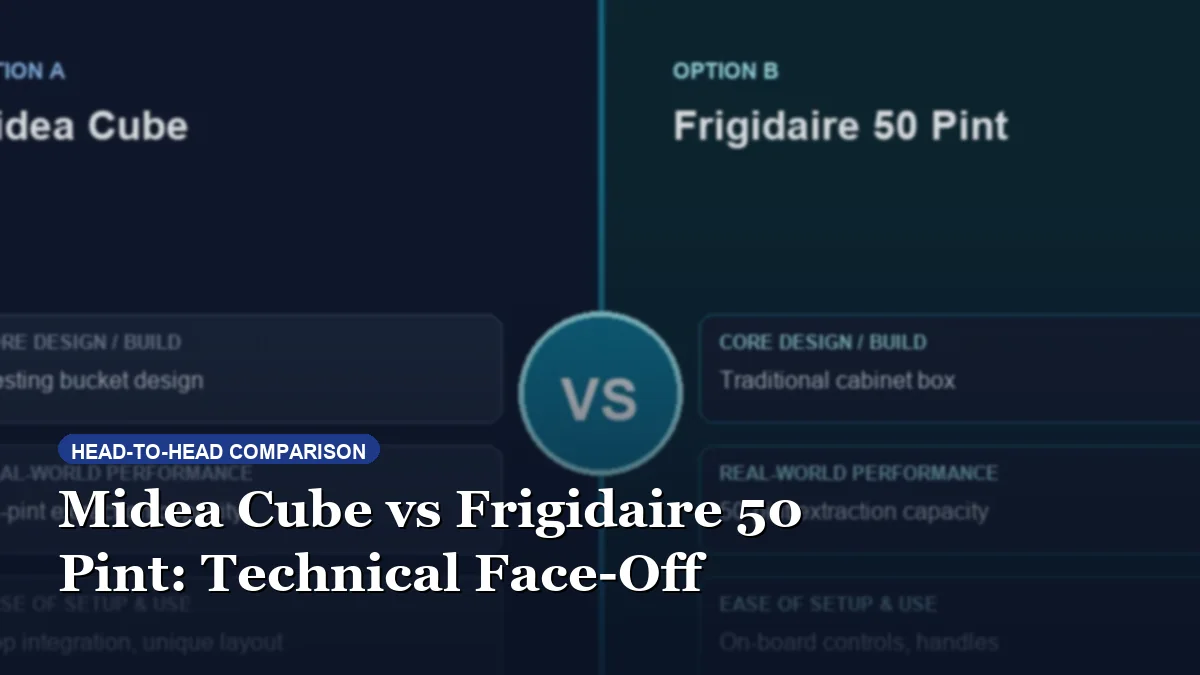
Choose the Midea Cube for its massive tank capacity and unique nesting storage versatility. Opt for the Frigidaire 50 Pint if you need robust, conventional rolling castor mobility and standard compressor reliability.
Compare all top models in our Best Dehumidifier: Top Picks for Healthy Indoor Air.
Side-by-Side Breakdown
| Criteria | Midea Cube | Frigidaire 50 Pint | Edge |
|---|---|---|---|
| Core Design / Build | Nesting bucket design | Traditional cabinet box | Midea Cube |
| Real-World Performance | 50-pint extraction capacity | 50-pint extraction capacity | Tie |
| Ease of Setup & Use | App integration, unique layout | On-board controls, handles | Midea Cube |
| Durability & Reliability | Sealed refrigeration circuit | Heavy-duty cabinet housing | Frigidaire |
| Efficiency / Operating Footprint | Energy Star certified | Energy Star certified | Tie |
| Maintenance Requirements | Filter checks, nesting care | Standard bucket wash, filter | Frigidaire |
| Best Ideal Use Case | Crawlspaces, tight spaces | Basements, living areas | Midea Cube |
Architecture and Enclosure Engineering
The Midea Cube revolutionizes storage by allowing the motor housing to nest directly inside its water bucket. This innovative footprint reduction shrinks the physical storage volume down dramatically when off-season storage arrives.
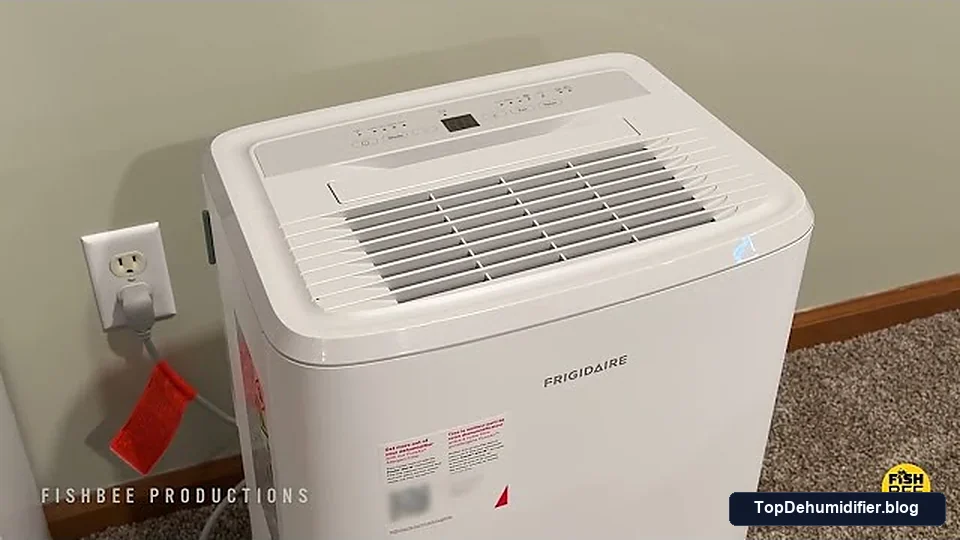
Conversely, the Frigidaire 50 Pint employs a traditional upright cabinet chassis built from rigid polymer plastics. This conventional housing provides robust structural integrity and standard top-mounted carry handles for mobility.
Our midea cube 50-pint review highlights how its innovative nested design allows the bucket to double as the base. This telescoping architecture significantly reduces its operational footprint during off-season storage periods.
Conversely, the Frigidaire 50-pint model features a traditional rigid cabinet constructed from impact-resistant ABS plastic. This conventional monolithic build ensures maximum structural stability during continuous high-vibration compressor cycles.
- Nesting bucket design minimizes off-season storage space.
- Traditional vertical cabinet profile maximizes mechanical stability.
- Integrated casters on Frigidaire improve room-to-room rolling.
Structural Footprint Trade-Offs
Evaluating physical dimensions reveals distinct deployment advantages for each dehumidifier model during everyday operation in residential environments. The Midea unit requires vertical clearance adjustments, while Frigidaire remains rigid.
- Rigid cabinets resist heavy impact better.
- Nesting units require careful alignment during assembly.
Extraction Dynamics and Moisture Removal
Both appliances are rated to extract fifty pints of moisture daily under standard testing conditions. However, ambient temperature fluctuations and relative humidity levels significantly influence real-world condensate extraction rates.
The refrigeration coils inside each unit rely on R-32 or R-410A refrigerant loops to condense water vapor effectively. Proper airflow across these metallic evaporator fins dictates overall system efficiency.
Operating on standard refrigeration cycles, both units pull ambient moisture across cold evaporator coils. The Midea system optimizes airflow paths to maintain consistent latent heat transfer across diverse residential environments.
Frigidaire counters with a robust rotary compressor paired with an expansive aluminum coil array. This engineered configuration maximizes condensate shedding efficiency in damp basements and unconditioned crawl spaces.
- Rated for fifty pints per day extraction volume.
- Requires optimal room temperatures above sixty-five degrees Fahrenheit.
- Evaporator coil cleanliness directly impacts daily moisture yield.
Environmental Performance Factors
Operating these dehumidifiers in unheated crawlspaces or chilly basements tests the limits of internal defrost mechanisms. Automatic defrost cycles prevent ice accumulation on cold coils during extended winter operations.
- Low-temperature kits extend operational capability.
- Sensor accuracy dictates cycle frequency.
Control Interfaces and Smart Integration
Modern climate management demands precise humidity setpoints and intuitive user interfaces. Our midea cube smart dehumidifier review covers its advanced smartphone connectivity paired with a digital display embedded on the front fascia.
Meanwhile, the Frigidaire competitor relies on a dependable top-mounted electronic control panel with tactile pushbuttons. This layout prioritizes straightforward, tactile interaction without requiring wireless network configuration steps.
Modern dehumidification requires precise digital controls and reliable wireless connectivity protocols. Midea integrates a sleek touch panel alongside a responsive smartphone app supporting real-time humidity monitoring and remote scheduling routines.
Frigidaire relies on a dependable mechanical LED display featuring straightforward electronic buttons. While lacking advanced smart home ecosystems, its interface prioritizes intuitive tactile feedback for immediate operational adjustments.
- Wi-Fi app integration enables remote humidity monitoring.
- Physical buttons ensure high reliability for tech-averse users.
- Digital humidistats allow precise target percentage adjustments.
Usability and Ergonomic Controls
Navigating menu options becomes second nature once users understand the primary humidistat adjustment buttons. Clear LED indicator lights display current operating status, filter check alerts, and active fan speeds.
- LED panels remain visible in dark basements.
- Audible alerts signal full bucket conditions.
Drainage Configurations and Plumbing Options
Effective condensate management prevents residential water overflow incidents. As detailed in our midea cube 20-pint review, both units support gravity drain hoses, but the Midea variant adds a built-in pump mechanism.
Traditional gravity drainage requires positioning the dehumidifier on an elevated platform so water flows downward. Using a condensate pump allows vertical water evacuation through basement windows or elevated utility sinks.
Effective water management is critical for unattended continuous operation in remote areas. Midea supports gravity drainage through a dedicated port, complemented by an optional condensate pump for vertical water evacuation.
The Frigidaire unit incorporates a standard gravity-fed drain hose connection alongside a dependable internal bucket shutoff. Users managing persistent moisture prefer its spill-resistant bucket design during manual emptying tasks.
- Gravity drain ports accept standard garden hoses.
- Built-in pumps lift water multiple vertical feet.
- Secure hose connections prevent accidental indoor flooding.
Continuous Drainage Best Practices
Ensuring leak-free continuous drainage requires inspecting threaded hose adapters and rubber gaskets regularly. Checking gravity lines for clogs prevents unexpected overflows during peak summer humidity spikes.
- Verify hose slope for proper gravity flow.
- Inspect internal check valves on pumped models.
Maintenance Protocols and Filter Service
Routine upkeep preserves energy efficiency and prevents mold growth within internal collection reservoirs. The Midea removable bucket requires careful alignment, whereas Frigidaire utilizes a front-loading drawer bucket design.
Air filters capture dust particles before they foul the cold evaporator coils. Owners must wash these mesh filters bi-weekly using mild soap and warm water to maintain proper airflow.
Routine air filter maintenance prevents dust accumulation on delicate internal evaporator coils. Both machines feature washable mesh filters that require bi-weekly cleaning with mild soap and warm water solutions.
Neglecting routine filter upkeep severely diminishes overall extraction efficiency and airflow rates. Following strict manufacturer guidelines ensures optimal heat exchanger longevity and prevents harmful microbial growth inside units.
- Washable mesh filters reduce long-term replacement costs.
- Reservoir sanitization prevents microbial slime buildup.
- Clean coils ensure maximum daily moisture extraction.
Filter Lifespan and Cleaning Cycles
Ignoring clogged air filters forces the compressor to work harder, accelerating mechanical wear and tear. Establishing a consistent monthly maintenance schedule protects your investment against premature component failure.
- Dry filters completely before reinstallation.
- Check owner manuals for specific chemical cleaning limits.
Acoustic Profiles and Operating Noise
Mechanical compressors and high-speed fans generate unavoidable operational noise in residential spaces. As noted in our midea cube smart wifi review, this unit generally registers lower decibel outputs during low-speed fan operation.
Frigidaire units feature heavy-duty fan motors that produce a steady, white-noise hum during heavy extraction cycles. Placing these devices on rubber anti-vibration mats minimizes structural sound transmission through wooden subfloors.
Compressor vibrations and fan turbulence generate noticeable ambient sound during active dehumidification cycles. Midea employs acoustic baffling and vibration dampeners to achieve a lower decibel output rating in quiet living spaces.
Frigidaire prioritizes heavy-duty mechanical performance, resulting in a slightly higher acoustic profile. Its robust chassis minimizes rattles, ensuring steady white noise generation rather than disruptive mechanical humming noises.
- Variable fan speeds allow quieter night operation.
- Rubber isolation pads reduce structural vibration noise.
- High fan settings increase overall decibel output levels.
Placement and Sound Mitigation
Choosing the optimal room placement minimizes acoustic disturbance in bedrooms or home offices. Keeping units away from hollow walls prevents resonance amplification during peak compressor startup phases.
- Distance from sleeping quarters reduces disturbance.
- Solid flooring prevents cabinet rattle.
Electrical Specifications and Power Consumption
Operating high-capacity compressors demands careful attention to household electrical circuit loads. Both appliances typically draw around five to seven amps during standard compressor operation cycles.
Energy Star certification ensures these units optimize power usage while removing moisture efficiently from indoor air. Utilizing dedicated electrical circuits prevents tripped breakers in older residential properties.
Energy efficiency remains a primary concern for homeowners running appliances continuously. The Midea unit draws standard 115-volt current while utilizing Energy Star certification standards to minimize monthly utility expenditures.
Frigidaire matches electrical requirements with a standard three-prong plug configuration. Its internal circuitry is engineered to handle peak load surges safely, preventing circuit breaker trips during humid summer operations.
- Energy Star ratings confirm high electrical efficiency.
- Standard 115-volt plugs fit common household outlets.
- Dedicated circuits prevent unexpected breaker trips.
Power Surge Protection
Installing a quality surge protector safeguards sensitive digital control boards from unexpected voltage spikes. Power fluctuations during severe storms can permanently damage internal solid-state relay components.
- Surge protectors protect microcontrollers.
- Unplug units during severe lightning storms.
Warranty Coverage and Long-Term Support
Manufacturer warranty terms provide essential peace of mind when investing in major household appliances. Both brands typically offer standard one-year limited warranties covering primary mechanical components.
Sealed refrigeration systems often receive extended multi-year warranty protection due to their complex repair requirements. Registering your appliance online immediately after purchase simplifies future customer service interactions.
Manufacturer warranties provide essential consumer protection against unexpected mechanical and electrical component failures. Midea offers a standard limited warranty covering major sealed refrigeration components for up to one year.
Frigidaire similarly backs its 50-pint appliance with a comprehensive limited warranty plan. Accessing authorized service centers ensures genuine replacement parts availability throughout the expected operational lifespan of the equipment.
- Limited warranties cover general manufacturing defects.
- Sealed refrigeration loops get extended protection.
- Online registration speeds up technical support claims.
Troubleshooting Common Error Codes
Modern digital displays feature specific error codes to help users diagnose operational faults quickly. Consulting the troubleshooting appendix clarifies whether an issue requires professional HVAC technician intervention.
- Error codes identify sensor failures.
- Manual appendices list quick fixes.
Frequently Asked Questions
Can the Midea Cube run continuously without a drain hose?
Yes, it features an exceptionally large internal reservoir that captures water until full. Automatic shutoff sensors immediately halt compressor operation when capacity is reached.
Which dehumidifier is better for low-temperature basements?
Both models include low-temperature operation modes to prevent coil freezing in chilly environments. However, verifying ambient room thresholds in your specific manual ensures optimal performance.
How often should I clean the air filter?
You should wash the mesh air filter every two weeks during heavy summer usage periods. Regular cleaning prevents dust accumulation and maintains optimal energy efficiency.
Do these units require special electrical outlets?
No, both dehumidifiers plug directly into standard residential three-prong grounded electrical outlets. Always avoid using extension cords to prevent potential overheating and fire hazards.
What is the main advantage of the Midea nesting design?
The nesting bucket design significantly reduces physical storage volume during off-season months. This innovative feature makes storing the unit in tight garage spaces remarkably easy.