Humidifier vs Dehumidifier For Cough: Technical Guide
Understanding indoor humidity helps resolve persistent coughs effectively. Choose the correct device based on your specific respiratory triggers and ambient moisture levels.


Select a humidifier when dry winter air triggers dry, hacking coughs, whereas a dehumidifier works best if mold or dust mites provoke allergic respiratory irritation.
Compare all top models in our Best Dehumidifier: Top Picks for Healthy Indoor Air.
Side-by-Side Breakdown
| Criteria | Humidifier | Dehumidifier For Cough | Edge |
|---|---|---|---|
| Core Design / Build | Vaporizes water via heat or ultrasonic waves | Condenses moisture using refrigeration coils | Depends on Goal |
| Real-World Performance | Raises relative humidity above thirty percent | Lowers relative humidity below fifty percent | Depends on Goal |
| Ease of Setup & Use | Simple tank filling and plug-in operation | Continuous drain setup and humidistat tuning | Humidifier |
| Durability & Reliability | Requires frequent descaling against mineral buildup | Demands compressor checks and filter rinsing | Dehumidifier |
| Efficiency / Operating Footprint | Lower wattage ultrasonic or warm mist draw | Higher compressor wattage pulling significant power | Humidifier |
| Maintenance Requirements | Daily tank scrubbing and weekly disinfection | Bi-weekly filter washes and bucket emptying | Tie |
| Best Ideal Use Case | Dry winter bedrooms and croup relief | Damp basements causing allergic asthma | Depends on Goal |
Core Engineering and Mechanical Design Principles
Humidifiers utilize distinct mechanical methods to introduce water vapor into indoor spaces. Ultrasonic models rely on high-frequency ceramic diaphragms to atomize liquid water into a fine mist.
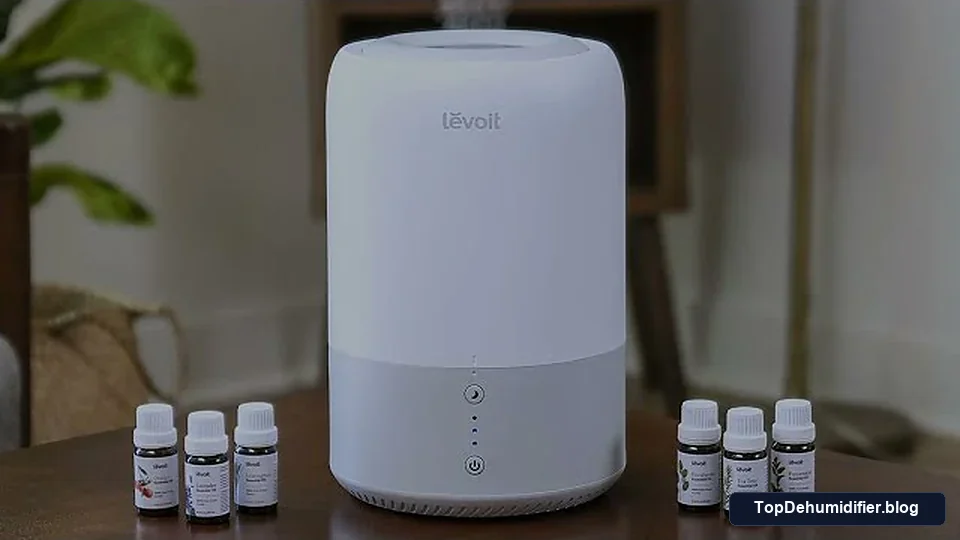
Conversely, dehumidifiers operate on thermodynamic refrigeration principles. A motorized fan draws humid air across cold evaporator coils, causing moisture to condense and drip downward.
Humidifiers rely on ultrasonic transducers or evaporative wicks to add vapor, whereas dehumidifiers use refrigeration compressors to condense ambient moisture from humid indoor air over cold evaporator coils.
Mechanical compressor dehumidifiers depend on a closed-loop refrigeration cycle utilizing environmentally safe refrigerants like R-410A to extract water efficiently while generating slight operational heat during continuous extraction cycles.
- Ultrasonic humidifiers use vibrating discs to generate cool mist.
- Warm mist units boil water internally before releasing steam.
- Refrigerative dehumidifiers extract moisture through condensation cycles.
Internal Components and Airflow Dynamics
The internal architecture dictates how each machine alters ambient room conditions. Humidifiers push micro-droplets directly into the airstream using small internal blowers.
Dehumidifiers route air through a closed-loop refrigeration circuit. This process requires a compressor, condenser, and expansion valve to achieve efficient moisture removal.
- Blower fans distribute atomized moisture across living spaces.
- Compressors drive the refrigeration cycle inside dehumidifiers.
Real-World Moisture Regulation Performance
Controlling indoor relative humidity requires precise measurement and rapid response capabilities. Humidifiers elevate moisture levels to soothe irritated airways during cold weather seasons.
Dehumidifiers suppress excessive humidity that breeds biological contaminants. Maintaining a balanced relative humidity range between forty and fifty percent prevents microbial proliferation.
Effective respiratory symptom management requires maintaining indoor humidity between 30 and 50 percent. Choosing a reliable basement dehumidifier prevents both pathogen survival and severe airway irritation caused by dampness.
Dehumidifiers actively lower excessive ambient moisture levels to inhibit mold spore proliferation, whereas humidifiers introduce moisture defensively when dry winter heating systems drop indoor humidity below optimal thresholds.
- Target indoor humidity between thirty and fifty percent.
- High humidity fosters dust mite and mold growth.
- Low humidity dries out delicate nasal mucous membranes.
Impact on Respiratory Irritation and Coughing
A persistent cough often stems from inflamed upper airways caused by dry air. Adding moisture via humidification coats the throat and loosens sticky mucus secretions.
If ambient air is overly damp, airborne allergens trigger spasmodic coughing fits. Deploying a dehumidifier eliminates these specific environmental triggers successfully.
- Moist air relieves scratchy throats and dry coughs.
- Dry air reduces allergens linked to chronic coughing.
Electrical Efficiency and Operational Footprint
Electrical consumption varies dramatically between these two environmental control appliances. Standard ultrasonic humidifiers consume minimal power, often operating under thirty watts continuously.
Dehumidifiers demand substantially higher electrical loads due to their internal compressors. Most portable room units require anywhere from three hundred to seven hundred watts during operation.
Standard compressor dehumidifiers consume between 300 and 700 watts depending on capacity, whereas ultrasonic humidifiers typically operate at a much lower electrical draw ranging from 30 to 100 watts.
Assessing electrical footprints requires calculating runtime hours against compressor wattage. Operating an efficient basement dehumidifier with drain hose capability ensures continuous moisture removal without unexpected utility bill spikes.
- Ultrasonic humidifiers offer exceptional energy efficiency.
- Compressor-based dehumidifiers have a noticeable electrical footprint.
- Running heavy appliances impacts monthly utility bills.
Power Consumption and Continuous Running Costs
Evaluating long-term running costs helps determine the most sustainable household addition. Humidifiers cost pennies to run daily because they lack energy-intensive compressors.
Dehumidifiers cycle on and off based on humidistat readings to conserve power. Utilizing onboard timers prevents unnecessary energy consumption throughout the day.
- Low wattage makes humidifiers cheap to run.
- Smart humidistats optimize dehumidifier runtime cycles.
Maintenance Schedules and Hygiene Protocols
Neglecting routine maintenance turns either appliance into a breeding ground for harmful microbes. Humidifiers require daily water reservoir emptying and regular antimicrobial scrubbing.
Dehumidifiers demand frequent collection bucket sanitation and filter washing. Accumulated dust and trapped moisture inside cooling coils promote bacterial and fungal colonization.
Ultrasonic and evaporative humidifiers demand strict daily water reservoir cleaning to prevent microbial biofilm formation that aerosolizes harmful bacteria and aggravates sensitive respiratory pathways during nightly operation.
Dehumidifiers require regular bucket emptying, coil dusting, and occasional anti-fungal sanitization of the internal collection pan to prevent stagnant water contamination and maintain optimal moisture extraction performance.
- Clean humidifier tanks weekly to prevent bacterial growth.
- Wash dehumidifier air filters every two weeks.
- Sanitize condensate trays to eliminate mold spores.
Preventing Microbial Contamination Hazards
Failing to clean your equipment can paradoxically worsen a cough by dispersing pathogens. Standing water inside uncleaned humidifier basins easily aerosolizes bacteria and mineral dust.
Dehumidifiers must have their collection buckets emptied regularly to prevent stagnant water odors. Proper sanitation ensures the air passing through the unit remains healthy.
- Dirty water tanks distribute harmful bacteria indoors.
- Stagnant bucket water causes unpleasant mildew smells.
Ergonomics, Sizing, and Room Placement Rules
Proper placement maximizes the therapeutic effectiveness of your chosen climate control device. Position humidifiers on elevated surfaces away from electronics to prevent water damage.
Dehumidifiers perform best when placed centrally within damp living areas. Ensure adequate clearance around intake grilles to maintain optimal airflow and extraction rates.
Proper placement demands at least twelve inches of clearance from surrounding walls. Choosing a top quiet bedroom dehumidifier ensures unobstructed airflow across intake grilles and condenser coils.
Humidifiers should be positioned on elevated, water-resistant surfaces away from electronics to prevent mist condensation from pooling on flooring and creating slip hazards in bedrooms.
- Keep humidifiers elevated on stable furniture pieces.
- Maintain proper airflow clearance around dehumidifier vents.
- Match device capacity square footage ratings to room size.
Sizing Capacities for Different Room Dimensions
Selecting the correct capacity ensures your room reaches target humidity levels quickly. Small bedroom humidifiers manage compact spaces efficiently without soaking nearby carpets.
Large capacity dehumidifiers are necessary for open-concept damp basements or living rooms. Undersized units run continuously without adequately lowering ambient moisture.
- Compact humidifiers suit standard bedroom dimensions.
- High-capacity dehumidifiers handle sprawling damp areas.
Material Quality and Long-Term Durability
Construction materials dictate how well these appliances withstand continuous daily operation. High-grade antimicrobial plastics prevent internal mold adhesion and resist cracking over time.
Dehumidifier durability depends heavily on sealed refrigeration system integrity. Robust copper tubing and corrosion-resistant coatings extend the operational lifespan significantly.
High-grade dehumidifiers utilize corrosion-resistant copper tubing and durable ABS plastic housings designed to withstand continuous exposure to extracted water without degrading structural integrity over years of use.
Humidifier durability heavily depends on ceramic transducer disc coatings that resist mineral scale buildup from hard tap water, preventing premature mechanical failure in ultrasonic atomization assemblies.
- Antimicrobial plastics enhance overall device hygiene.
- Quality refrigeration coils ensure lasting compressor health.
- Sturdy water reservoirs resist accidental impact damage.
Wear Factors and Expected Product Lifespan
Understanding typical wear patterns helps set realistic expectations for product longevity. Humidifiers often experience transducer wear or mineral scale accumulation after extended use.
Dehumidifiers face mechanical stress from constant compressor cycling and fan motor friction. Routine filter changes prevent premature component failure and costly repairs.
- Transducers degrade over years of heavy usage.
- Compressor motors require proper ventilation to last.
Clinical Contexts for Respiratory Relief
Medical contexts dictate whether you need added moisture or aggressive extraction. Croup, viral infections, and winter dryness respond favorably to soothing humidified air.
Conversely, chronic asthma triggered by indoor mold or dust mites requires strict dehumidification. Consulting a physician helps pinpoint the exact environmental root of your cough.
Physicians often recommend humidifiers during acute upper respiratory infections to loosen stubborn mucus, whereas dehumidifiers are prescribed for environments where chronic allergen triggers like dust mites exacerbate coughing.
Choosing between these climate control devices requires aligning equipment function with specific medical diagnoses and measured baseline humidity levels rather than relying on generalized symptom assumptions.
- Croup and cold symptoms benefit from warm or cool mist.
- Allergic asthma flare-ups require aggressive dehumidification.
- Medical guidance clarifies environmental allergy triggers.
Identifying Your Specific Environmental Trigger
Observing when your cough worsens provides vital clues for treatment selection. Installing a dehumidifier for high moisture areas helps control mold when symptoms spike in humid weather.
If coughing occurs persistently in damp basements or humid weather, mold is suspect. Installing a digital hygrometer removes guesswork by displaying precise room humidity.
- Winter morning coughs usually indicate dry air.
- Basement coughing fits often point to excess humidity.
Frequently Asked Questions
Will a humidifier help my nighttime coughing?
Yes, adding moisture prevents your throat from drying out during sleep. This targeted relief stops hacking winter coughs effectively.
Can high humidity make a cough worse?
Excess moisture promotes mold growth and dust mites that irritate airways. Using a dehumidifier removes these harmful respiratory allergens.
How do I know if I need a humidifier or dehumidifier?
Check your room humidity levels with a reliable digital hygrometer. Aim to keep indoor readings between forty and fifty percent.
Are warm mist humidifiers better for a cough?
Warm mist helps relax tight airways and loosen thick mucus secretions. However, cool mist options remain safer around young children and pets.
Do dehumidifiers cure allergy-related coughing?
They eliminate moisture sources that allow dust mites and mold to thrive. Controlling humidity creates an environment hostile to common indoor allergens.