Hisense vs Frigidaire Dehumidifier: Technical Showdown
Comparing Hisense and Frigidaire reveals distinct engineering philosophies. We evaluate real performance and build quality.

Choose Hisense for modern digital controls, or select Frigidaire for robust heavy-duty reliability in damp basements.
Compare all top models in our Best Dehumidifier: Top Picks for Healthy Indoor Air.
Side-by-Side Breakdown
| Criteria | Hisense | Frigidaire Dehumidifier | Edge |
|---|---|---|---|
| Core Design / Build | Compact injection-molded plastic chassis | Heavy structural framing with reinforced corners | Frigidaire |
| Real-World Performance | Rapid moisture removal in mild climates | Consistent extraction across low temperatures | Frigidaire |
| Ease of Setup & Use | Intuitive touchscreen and smart integration | Traditional mechanical knobs and clear dials | Hisense |
| Durability & Reliability | Solid consumer-grade components | Commercial-grade compressor longevity | Frigidaire |
| Efficiency / Operating Footprint | Optimized Energy Star electrical draw | Standard draw with high motor torque | Hisense |
| Maintenance Requirements | Accessible mesh filters and smooth buckets | Easy-slide buckets with spill guards | Tie |
| Best Ideal Use Case | Smart homes and finished living areas | Unfinished basements and crawlspaces | Split |
Engineering and Build Quality Fundamentals
Evaluating appliance construction requires inspecting chassis materials, structural joints, and overall weight distribution. Both manufacturers utilize high-impact plastics, but their internal engineering frameworks differ significantly in daily operation.
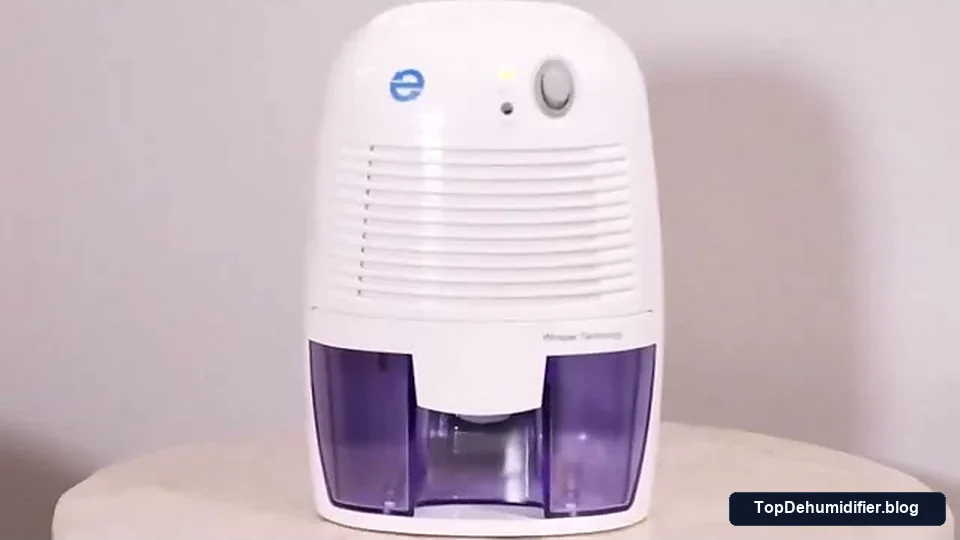
Hisense prioritizes sleek exteriors with integrated carrying handles and smooth paneling. This design fits seamlessly into finished living spaces without drawing unwanted aesthetic attention from household occupants.
Frigidaire constructs rugged housing units with heavy-duty structural rigidity. As outlined in our Frigidaire FFAD2233W1 review, this chassis withstands rigorous handling in damp cellars and active workshops.
Both Hisense and Frigidaire utilize impact-resistant ABS plastic for their exterior chassis housings. This material withstands high relative humidity environments without cracking, bowing, or degrading under continuous mechanical vibration.
Internal structural frames rely on galvanized steel reinforcement around the compressor mounts. This engineering choice reduces operational resonance and prevents structural twisting when units are frequently rolled across uneven floor surfaces.
Casters and side-integrated lift handles undergo rigorous drop and torque evaluations. Frigidaire incorporates recessed grip pockets, whereas Hisense opts for protruding molded handles to maximize leverage during transport between living spaces.
- Hisense utilizes lightweight injection-molded polymer shells.
- Frigidaire incorporates reinforced internal steel brackets.
- Chassis weight differs by several pounds between brands.
Chassis Materials and Portability
Portability depends heavily on caster wheel quality and handle placement. Hisense units feature smooth-rolling multidirectional casters that glide effortlessly across finished hardwood and tile flooring.
Frigidaire models often include robust top handles alongside side grips. These additions assist homeowners when lifting heavy units over thresholds or down steep basement stairwells.
- Hisense features recessed side grips for clean lines.
- Frigidaire uses protruding bar handles for secure lifting.
Moisture Extraction and Compressor Performance
Effective moisture removal relies on balanced refrigeration cycles and efficient coil designs. Both brands offer models spanning standard pint capacities, yet their real-world extraction speeds vary noticeably.
Hisense compressors excel in moderate ambient temperatures by rapidly pulling moisture from ambient air. They maintain consistent cycling without creating excessive mechanical vibration on stable concrete floors.
Frigidaire units shine in challenging, colder environments. Evaluated closely in our Frigidaire FFAD3533W1 review, their reliable defrost mechanisms prevent coil freeze-ups to ensure continuous water extraction during high humidity spikes.
Rotary compressors power both brand lineups, circulating R-32 or R-410A refrigerants through copper tube aluminum fin evaporator coils. This closed-loop thermodynamic cycle rapidly condenses ambient water vapor into the collection bucket.
Low-temperature operation relies on automatic defrost sensors that detect frost buildup on the aluminum coils. When triggered, the system pauses refrigeration to melt ice safely, protecting the compressor from liquid slugging.
Extraction rates are certified under AHAM testing standards at 65 percent relative humidity and 80 degrees Fahrenheit. Real-world performance scales downward predictably in cooler basements or drier ambient winter conditions.
- Hisense optimizes performance for standard indoor conditions.
- Frigidaire handles cold basement environments exceptionally well.
- Both utilize environmentally safe R-410A refrigerant.
Low-Temperature Operation Dynamics
Operating dehumidifiers in unheated spaces frequently causes frost accumulation on evaporator coils. Frigidaire incorporates aggressive automatic defrost cycles to maintain optimal airflow during colder seasonal transitions.
Hisense units feature baseline temperature cutoffs to protect internal compressors from damage. Users must verify operating temperature thresholds before placing units in unconditioned detached garages.
- Frigidaire includes automated electronic defrost sensors.
- Hisense enforces strict minimum operating temperature limits.
Control Interfaces and Smart Integration
Modern appliance control panels dictate user convenience and programming accuracy. Hisense invests heavily in digital interfaces featuring bright LED displays and responsive capacitive touch buttons.
Smart home connectivity has become a major differentiator for tech-savvy consumers. Hisense units frequently include robust Wi-Fi compatibility, allowing remote monitoring via dedicated smartphone applications.
Frigidaire maintains a traditional approach featuring tactile pushbuttons and clear displays. As noted in our Frigidaire FFAP5033W1 pump review, these durable physical interfaces prove exceptionally reliable over long operational cycles.
Electronic control panels feature sealed membrane buttons designed to resist moisture ingress and dust accumulation. Digital LED displays provide real-time ambient humidity readouts accurate within plus or minus five percent.
Wi-Fi connectivity allows remote monitoring via dedicated mobile applications supporting scheduling and humidity threshold adjustments. Users can receive automated filter cleaning reminders directly to their smartphones without inspecting physical units.
Safety logic includes auto-restart memory functions that restore previous operational settings after unexpected power interruptions. Integrated child lock modes prevent accidental setting modifications by curious children or household pets.
- Hisense offers comprehensive smartphone application integration.
- Frigidaire focuses on straightforward physical control layouts.
- Digital humidistats provide precise relative humidity targeting.
Humidistat Accuracy and Calibration
Accurate internal humidistats prevent short-cycling and excessive energy consumption. Hisense digital sensors update rapidly, reflecting micro-climate shifts within residential living areas instantly.
Frigidaire units utilize heavily dampened sensor algorithms to prevent erratic compressor switching. This conservative approach extends compressor lifespan by reducing unnecessary startup electrical surges.
- Hisense sensors update relative humidity readings continuously.
- Frigidaire uses average readings to stabilize compressor cycles.
Drainage Systems and Water Management
Managing extracted condensate requires reliable bucket designs and flexible drainage options. Both brands provide standard gravity drainage ports alongside traditional removable collection buckets.
Highlighted in our Hisense DH5020K review, their collection buckets feature ergonomic grips and secure splash guards to minimize accidental spills during heavy transport and emptying routines.
Frigidaire offers exceptional continuous drainage versatility with threaded hose connections. Their internal condensate pumps, available on select models, lift water vertically to elevated windows.
Gravity drainage relies on a threaded drain port located on the side or back panel. Attaching a standard garden hose enables continuous water evacuation directly into floor drains without manual bucket emptying.
Internal condensate pumps utilize centrifugal impellers to lift extracted water vertically through small-diameter vinyl tubing. This mechanism facilitates basement installations where floor drains sit several feet above the unit base.
Bucket designs incorporate ergonomic carrying handles and splash guards to minimize spills during transport. Magnetic float switches immediately trigger audible alarms and shut down the compressor when maximum water capacity is reached.
- Gravity drain ports accommodate standard garden hoses.
- Internal condensate pumps eliminate manual bucket emptying.
- Splash guards prevent water sloshing during removal.
Bucket Capacity and Auto-Shutoff Mechanisms
Collection bucket volume dictates how frequently users must empty stagnant water. Both brands incorporate reliable magnetic float switches that trigger immediate auto-shutoff when full.
Clear water level windows allow occupants to monitor fill status visually without pulling buckets out. Proper alignment is mandatory to disengage the safety switch and resume operation.
- Magnetic float switches prevent catastrophic overflow incidents.
- Clear viewing strips display current water levels accurately.
Energy Efficiency and Operating Costs
Continuous electrical appliance operation impacts monthly utility bills significantly. Energy Star certifications verify that both Hisense and Frigidaire meet stringent government efficiency standards.
Hisense engineers units with variable-speed fan motors that optimize power draw. This dynamic adjustment reduces electricity consumption once target humidity levels stabilize within the room.
Frigidaire relies on high-torque compressors that deliver maximum cooling power swiftly. While initial power spikes occur, efficient total run cycles balance overall daily energy consumption.
Modern models achieve Energy Star certifications by utilizing variable-speed fan motors and optimized compressor cycling. These efficiency upgrades significantly lower monthly electricity consumption during extended summer operating seasons.
Wattage draws typically range from 350 to 700 watts depending on total extraction capacity and ambient moisture loads. Calculating localized kilowatt-hour rates helps owners estimate exact operational expenditures over annual usage cycles.
Fan-only modes circulate air without running the compressor, serving as an effective tool for accelerating localized drying in damp crawlspaces or recently flooded structural wall cavities.
- Energy Star ratings confirm low operational power usage.
- Variable fan speeds reduce steady-state electrical draw.
- Proper sizing prevents continuous inefficient compressor operation.
Electrical Draw and Circuit Loads
Heavy motorized equipment requires dedicated standard electrical circuits for safe operation. Connecting high-capacity units to overloaded extension cords creates severe fire hazards and risks motor failure.
Both brands list precise amperage requirements on rear rating plates. Homeowners should consult certified electricians when operating multiple heavy appliances on shared household circuits.
- Standard household circuits safely power single units.
- Extension cords void warranties and increase electrical resistance.
Maintenance Protocols and Long-Term Reliability
Regular maintenance preserves appliance efficiency and prevents mold growth inside collection reservoirs. Both manufacturers design accessible filter screens that slide out effortlessly for routine cleaning.
Washing mesh filters every two weeks ensures unobstructed airflow across refrigerated coils. Neglecting this simple step forces compressors to work harder, accelerating mechanical wear and tear.
Long-term reliability depends largely on proper seasonal storage and cleaning. Ensuring internal components dry completely before winter storage prevents bacterial buildup and unpleasant odors.
Washable mesh filters require bi-weekly cleaning schedules using warm water and mild dish soap to maintain optimal airflow. Neglecting this maintenance reduces extraction efficiency and forces compressors to overheat prematurely.
Annual coil inspections help detect dust and mineral buildup that inhibits thermal transfer across aluminum fins. Gently brushing coils with a soft nylon attachment preserves optimal unit performance over years.
Storing units over winter demands thorough interior drying to prevent mold and mildew growth inside closed reservoirs. Owners should wrap power cords securely and store devices upright in climate-controlled environments.
- Washable mesh filters require bi-weekly maintenance routines.
- Coil inspection prevents premature compressor overheating failures.
- Proper winter storage protects delicate internal refrigeration lines.
Filter Maintenance and Coil Care
Dirty air filters restrict airflow, causing evaporator coils to ice over rapidly. Rinsing mesh filters with mild soap restores optimal air velocity across internal heat exchangers.
Annual inspections of condenser coils help identify accumulated dust debris. Careful vacuuming maintains high heat transfer rates necessary for efficient moisture extraction.
- Mild dish soap removes trapped dust effectively.
- Soft brush attachments prevent delicate fin damage.
Frequently Asked Questions
Which brand offers better smart home features?
Hisense provides superior smartphone application integration for remote monitoring. Users can easily adjust humidity targets from anywhere.
Are Frigidaire dehumidifiers better for cold basements?
Frigidaire models excel in low-temperature environments due to advanced defrost cycles. They maintain continuous operation when conditions drop.
How often should I clean the air filter?
You should wash the mesh filter every two weeks during heavy use seasons. Regular cleaning prevents restricted airflow and motor strain.
Do both brands include continuous drainage options?
Both manufacturers feature standard gravity drain ports for garden hoses. Select models also offer built-in condensate pumps for vertical drainage.
Which dehumidifier operates more quietly in living spaces?
Hisense units generally feature optimized fan housings that reduce operational noise. They fit discreetly into finished bedrooms and living areas.