Heat Pump vs Standard Condenser Dehumidifier
Selecting the right moisture removal system depends on ambient temperatures and energy goals. Understanding internal thermodynamics ensures optimal structural protection.

Choose the heat pump unit for cold basements requiring maximum energy savings. Select the standard condenser for warm, humid spaces needing fast moisture extraction.
Compare all top models in our Best Dehumidifier: Top Picks for Healthy Indoor Air.
Side-by-Side Breakdown
| Criteria | Heat Pump | Standard Condenser Dehumidifier | Edge |
|---|---|---|---|
| Core Design / Build | Advanced closed-loop refrigerant circuit with variable compressors | Traditional compressor layout with direct expansion coils | Heat Pump |
| Real-World Performance | Excels across wide temperature ranges down to forty degrees | Performs best in warm environments above sixty-five degrees | Heat Pump |
| Ease of Setup & Use | Requires precise placement and level drainage positioning | Simple plug-and-play operation with standard gravity hoses | Standard Condenser |
| Durability & Reliability | Heavy-duty components engineered for continuous commercial duty | Standard residential grade parts with moderate lifespan expectancy | Heat Pump |
| Efficiency / Operating Footprint | Exceptional energy recovery lowering overall household wattage draw | Higher power consumption due to resistance heating elements | Heat Pump |
| Maintenance Requirements | Routine coil cleanings and annual refrigerant pressure checks | Basic filter washes and standard condensate tray clearing | Standard Condenser |
| Best Ideal Use Case | Unheated crawlspaces, cold cellars, and whole-house retrofits | Warm laundry rooms, damp bathrooms, and main-floor living areas | Heat Pump |
Core Design & Engineering Differences
Engineering moisture control equipment involves balancing thermodynamics, electrical loads, and mechanical durability. Manufacturers utilize distinct internal architectures to handle ambient humidity across various residential environments.
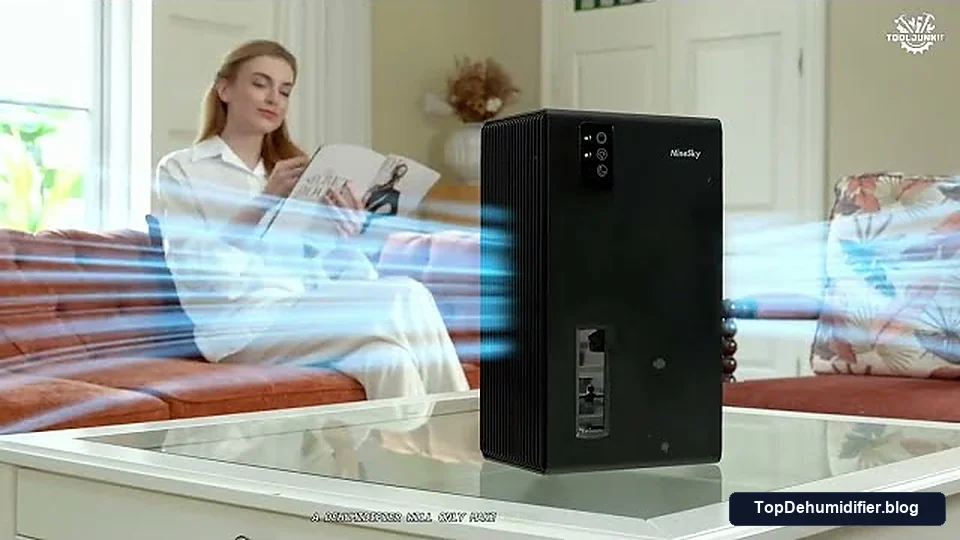
A standard condenser relies on straightforward refrigeration cycles to chill evaporator coils. Warm air passes across these cold surfaces, forcing moisture to condense into a collection bucket or drain hose.
Standard condenser units rely on traditional refrigeration loops rather than advanced staging. For unconditioned outbuildings, exploring options detailed in our best garage dehumidifiers with pumps roundup highlights superior compressor performance.
Heat pump models integrate sophisticated dual-exchanger networks that capture latent heat during condensation cycles. Engineering tolerances must remain exceptionally tight to prevent refrigerant leakage across high-pressure copper piping junctions.
- Standard units utilize basic expansion valves for refrigerant flow control.
- Heat pump systems integrate advanced heat exchangers to reclaim thermal energy.
- Compressor sizing directly dictates the operational lifecycle and noise output.
Refrigerant Circuitry Mechanics
Internal fluid dynamics dictate how efficiently a machine extracts water vapor from ambient air. Heat pump models utilize specialized valves to optimize pressure drops across varied thermal loads.
Standard condensers maintain fixed refrigerant flow rates, which limit their adaptability when ambient temperatures fluctuate drastically throughout seasonal changes in your home.
- Variable-speed compressors adjust output based on real-time humidity sensors.
- Fixed-orifice tubes dominate standard condenser refrigerant routing designs.
Thermodynamic Principles & Moisture Removal
Thermodynamics dictate the efficiency of water extraction in closed indoor spaces. Latent heat removal requires precise dew point management to prevent frost buildup on cold metallic surfaces.
Standard condensers struggle when ambient temperatures drop below normal room levels. Frost accumulates on the evaporator coils, triggering mandatory defrost cycles that temporarily halt water removal.
Psychrometric performance dictates how efficiently an appliance drops incoming air below its dew point. Standard units struggle once ambient temperatures dip below sixty degrees Fahrenheit, losing significant water extraction capacity.
Closed-loop heat pump systems recycle thermal energy through the refrigerant cycle to maintain efficiency. For an exceptional real-world example, see our Midea Cube 50 Pint smart dehumidifier review detailing advanced latent heat exchange.
- Latent heat conversion drives the primary water condensation process.
- Evaporator coil temperature must drop below the local dew point.
- Thermal expansion valves prevent freezing during extended heavy operations.
Low-Temperature Operation Dynamics
Basements and crawlspaces present severe thermal challenges for standard refrigeration equipment. Heat pump variants overcome this by routing warm refrigerant back through specific internal channels.
This thermal recycling prevents coil icing without relying on energy-intensive electric resistance heaters, maintaining continuous water extraction in unconditioned spaces year-round.
- Thermal bypass loops maintain safe evaporator operating temperatures.
- Defrost cycles are minimized through intelligent refrigerant routing.
Real-World Performance Comparison
Evaluating real-world extraction rates requires examining how appliances handle fluctuating humidity levels. Laboratory ratings often differ significantly from performance in damp subterranean environments.
Standard units excel in warm, humid living spaces where ambient temperatures remain comfortably elevated. They rapidly pull moisture from the air, dropping relative humidity levels within hours.
Field evaluations show that standard condensers consume excessive wattage when operating in unheated sub-grade spaces. Choosing the right unit from our best basement dehumidifiers with pumps ensures reliable operation and prevents coil freezing.
Heat pump alternatives maintain steady extraction rates across diverse seasonal climates and humidity swings. They leverage balanced airflow dynamics to protect sensitive structural timber from persistent mold spore proliferation.
- Extraction efficiency drops sharply in spaces below fifty degrees Fahrenheit.
- Airflow velocity determines how quickly a room reaches target humidity.
- Sensor accuracy prevents short-cycling during high moisture loads.
Subterranean and Crawlspace Challenges
Subterranean installations demand robust equipment capable of continuous operation in harsh conditions. Heat pump models maintain high extraction rates even when ambient temperatures fall.
Homeowners utilizing standard condensers in cold cellars often experience frequent shutdowns due to frost accumulation, reducing overall drying effectiveness during critical wet seasons.
- Continuous drainage setups require reliable internal condensate pumps.
- Sub-floor humidity demands specialized low-temperature compressor designs.
Energy Efficiency & Operating Footprints
Electrical consumption represents a major factor in long-term appliance ownership costs. Modern energy standards push manufacturers toward high-efficiency compressors and intelligent control boards.
Heat pump systems generally offer superior energy efficiency by recycling thermal energy internally. This clever thermodynamic loop reduces the electrical workload placed on the main compressor motor.
Wattage consumption serves as the primary differentiator between these two distinct dehumidification technologies. Standard resistance heating spikes operational amperage, whereas heat pumps boast a much lower coefficient of performance.
Long-term electrical savings quickly offset the higher initial acquisition cost of advanced compressor units. Facility managers should evaluate total kilowatt-hour usage to minimize the overall carbon footprint of sustained drying operations.
- Wattage draw varies significantly between variable and single-speed compressors.
- Energy recovery systems lower overall household utility expenditure.
- Standby power consumption remains minimal across modern digital control panels.
Calculating Long-Term Utility Costs
Analyzing daily kilowatt-hour consumption reveals clear distinctions between these two technologies. Standard condensers consume more power when fighting against cold ambient air conditions.
Investing in a high-efficiency heat pump model yields substantial electricity savings over multi-year operational lifespans in demanding residential basement environments.
- Kilowatt-hour meters track exact operational power usage over time.
- Energy Star ratings help identify superior thermal efficiency models.
Maintenance, Servicing & Longevity
Proper maintenance ensures sustained performance and prevents premature mechanical failure. Air filters, condenser coils, and drainage channels require regular inspections to maintain optimal airflow.
Standard condensers feature accessible components that simplify DIY cleaning routines. Homeowners can easily wash mesh filters and wipe down internal collection buckets without specialized tools.
Routine upkeep requires regular inspection of internal condensate drainage channels and electrostatic air filters. Neglecting these core components forces the sealed refrigeration system to work harder, reducing compressor lifespan.
Standard condensers experience accelerated mechanical wear due to thermal stress on heating elements. Conversely, serviceable heat pump units feature durable copper tubing and accessible access ports for professional refrigerant recharging.
- Air filters need bi-weekly washing to prevent dust accumulation.
- Coil inspections catch refrigerant leaks before compressor burnout occurs.
- Drain hoses require periodic flushing to eliminate biological growth.
Component Lifespan & Professional Servicing
Mechanical durability depends heavily on build quality and operating duty cycles. Heat pump units incorporate heavy-duty commercial-grade compressors designed for extended operational lifespans.
Professional HVAC technicians may be required to service sealed refrigerant systems if internal pressure drops, making robust initial build quality an essential purchasing factor.
- Sealed refrigerant systems require professional diagnostic equipment.
- Vibration dampening mounts reduce internal mechanical wear over time.
Installation Logistics & Spatial Requirements
Proper placement influences both acoustic comfort and moisture extraction efficiency. Units must be leveled accurately to ensure correct condensate flow toward internal collection receptacles.
Standard condensers fit easily into tight residential spaces like laundry rooms or bedrooms. Their compact vertical footprints require minimal clearance from surrounding walls and furniture.
Spatial planning must account for minimum clearance distances around intake and exhaust grilles. Restricting airflow severely diminishes moisture extraction rates and strains the internal blower motor assembly.
Heavy-duty heat pump models often require dedicated electrical circuits to handle startup surge amperage safely. Technicians must verify proper floor load capacity before positioning commercial-grade units in residential crawlspaces.
- Clearance zones ensure unrestricted intake and exhaust airflow.
- Level placement prevents water overflow and loud vibration noises.
- Weight distribution matters when installing units on upper floors.
Acoustic Footprint & Vibration Control
Noise pollution from running compressors can disrupt peaceful living environments. Heavy-duty heat pumps often feature insulated compressor compartments to dampen operational sound levels effectively.
Standard condensers may generate noticeable hums and fan vibrations, requiring rubber isolation pads when placed on wooden subfloors or near sleeping quarters.
- Decibel ratings indicate expected operational noise intensity.
- Rubber feet absorb high-frequency compressor vibrations successfully.
Determining the Ideal Setup for Your Home
Choosing the correct moisture control appliance requires careful assessment of your climate and structural needs. Matching equipment capabilities to environmental demands guarantees lasting satisfaction.
Evaluate your basement temperature, local humidity levels, and electrical setup before purchasing. Choosing a model from our best dehumidifiers with built-in pumps prevents wasted money and ensures a dry environment.
Selecting the correct technology depends heavily on your regional climate and baseline relative humidity. Homes situated in damp, unconditioned spaces benefit greatly from the superior efficiency of a heat pump.
Mild environments with consistent ambient temperatures can utilize traditional condenser units without severe efficiency penalties. Homeowners must balance upfront equipment costs against projected long-term utility savings before purchasing.
- Measure baseline relative humidity using a reliable digital hygrometer.
- Assess seasonal temperature fluctuations in your target installation space.
- Verify local electrical circuit capacity before plugging in heavy units.
Making Your Final Purchasing Decision
Homeowners facing cold, damp subterranean conditions should prioritize advanced heat pump technology. The superior low-temperature performance justifies the initial equipment investment completely.
Those managing warm, humid main-floor spaces will find standard condensers perfectly adequate and cost-effective for everyday residential moisture control requirements.
- Prioritize low-temp performance for unheated crawlspace applications.
- Select standard units for warm, conditioned living areas.
Frequently Asked Questions
How do heat pump dehumidifiers handle cold basements?
Heat pump units utilize internal thermal recycling to prevent coil icing, maintaining effective water extraction in cold subterranean spaces without relying on electric resistance heaters.
Are standard condenser units louder than heat pumps?
Noise levels vary by model, but heat pumps often feature better acoustic insulation around their compressors to dampen operational sounds in residential areas.
Which system offers better long-term energy efficiency?
Heat pump dehumidifiers generally consume less electricity by reclaiming thermal energy internally, significantly lowering your long-term household utility bills.
Can standard condensers operate in unheated garages?
Standard units struggle in cold garages because frost accumulates rapidly on their evaporator coils, requiring frequent defrost cycles that halt moisture removal.
What maintenance is required for these dehumidifiers?
Both types require bi-weekly air filter cleanings, but heat pumps may need professional refrigerant checks over their extended operational lifespans.