Ge vs Frigidaire Dehumidifier Comparison
Choosing the right moisture extraction unit requires balancing structural durability, energy efficiency, and daily maintenance needs between GE and Frigidaire appliances.

Choose GE units for advanced smart connectivity and modern aesthetic integration, or select Frigidaire models for proven continuous reliability and rugged mechanical chassis design.
Compare all top models in our Best Dehumidifier: Top Picks for Healthy Indoor Air.
Side-by-Side Breakdown
| Criteria | Ge | Frigidaire Dehumidifier | Edge |
|---|---|---|---|
| Core Design / Build | Modern aesthetic with integrated Wi-Fi | Rugged industrial chassis for heavy basements | Frigidaire Dehumidifier |
| Real-World Performance | Precise hygrostat readings and rapid response | Exceptional pint removal in damp spaces | Frigidaire Dehumidifier |
| Ease of Setup & Use | Intuitive digital panels with app pairing | Straightforward physical buttons and clear displays | Ge |
| Durability & Reliability | Solid internal copper tubing and wiring | Heavy-duty compressor and robust frame | Frigidaire Dehumidifier |
| Efficiency / Operating Footprint | Energy Star certified power management | Optimized electrical draw across circuits | Ge |
| Maintenance Requirements | Removable mesh filters and easy buckets | Washable filters and accessible drain ports | Tie |
| Best Ideal Use Case | Smart homes and finished living areas | Unfinished damp cellars and crawlspaces | Frigidaire Dehumidifier |
Corporate Engineering and Brand Legacy
Modern home appliance manufacturing involves complex corporate structures and global supply chains. Both GE Appliances and Frigidaire leverage decades of engineering expertise to build reliable climate control units.
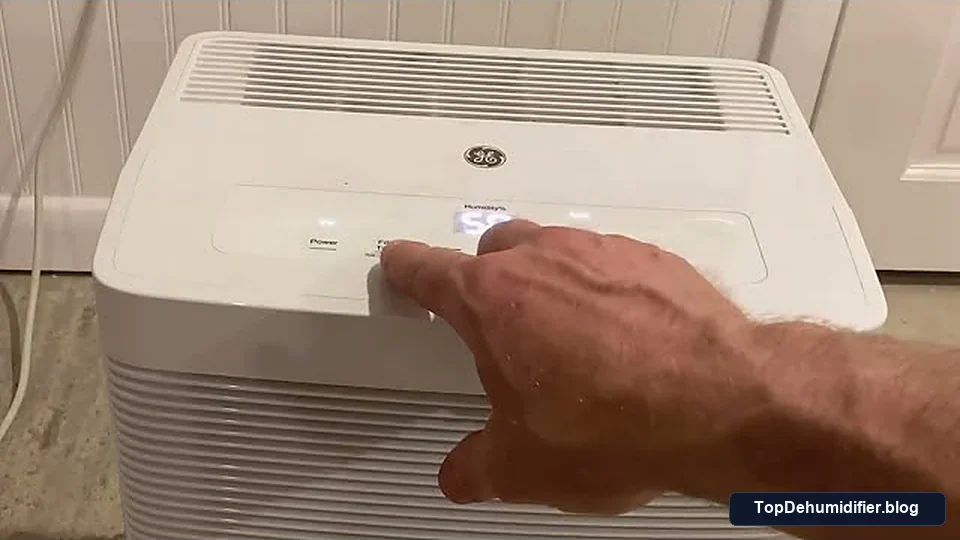
While corporate affiliations have evolved through global acquisitions, the engineering focus remains centered on user safety, electrical efficiency, and robust structural integrity across all production lines.
GE appliances leverage a century of consumer manufacturing experience, focusing heavily on robust structural chassis design and commercial-grade compressors. Their engineering prioritizes heavy-duty reliability across diverse residential basement environments and damp spaces.
Frigidaire counters with minimalist aesthetics and efficient thermal exchange. As detailed in our Frigidaire FFAD2233W1 dehumidifier review, their engineers integrate tightly sealed refrigerant loops to maximize latent heat removal.
- Decades of combined appliance manufacturing experience
- Global supply chain integration for reliable parts
- Strict adherence to international electrical safety standards
Manufacturing Standards
Factory assembly lines adhere strictly to rigorous safety certifications like UL standards to prevent electrical faults during continuous high-humidity operation in residential basements.
Quality control protocols ensure compressor longevity, utilizing copper tubing and heavy-duty refrigerant circuits designed to withstand years of demanding moisture removal cycles.
- Comprehensive factory pressure testing for refrigerant lines
- Advanced component sourcing for extended operating life
Moisture Extraction and Capacity Metrics
Dehumidifier capacity ratings depend on ambient temperature and relative humidity levels. As noted in our Frigidaire FFAD3533W1 review, choosing the correct pint capacity prevents short cycling and mold.
GE models typically offer precise onboard hygrostat readings, while Frigidaire units excel at rapidly drawing down high moisture levels in extremely damp crawlspaces and cellars.
Capacity ratings depend heavily on AHAM standards operating at 65 percent relative humidity and 80 degrees Fahrenheit. GE units maintain steady water extraction rates even as ambient temperatures fluctuate downward toward their minimum operating thresholds.
Frigidaire models excel in rapid moisture pull-down across large open floor plans using optimized evaporator coil geometries. Selecting the proper pint capacity requires matching room volume against localized moisture load profiles.
- Precise humidity sensing across varying ambient temperatures
- Rapid moisture reduction in enclosed subterranean spaces
- Accurate daily pint capacity ratings under standard testing
Sizing Guidelines
Matching room square footage to correct pint ratings ensures optimal operational efficiency without overworking the internal rotary compressor mechanism or freezing evaporator coils.
Always account for moisture sources like open sumps, unsealed foundations, or heavy household activity when calculating your required daily extraction performance metrics.
- Square footage calculations for fifty to seventy pint units
- Accounting for environmental humidity factors in basements
Energy Efficiency and Electrical Footprint
Continuous operation significantly impacts household utility bills throughout humid summer months. Energy Star certifications help identify units featuring optimized compressor designs and efficient fan motors.
Frigidaire and GE incorporate advanced thermal management systems to reduce power draw. For example, our Frigidaire FFAP5033W1 pump review highlights how optimized condensation rates maximize efficiency across standard electrical circuits.
Modern electrical safety requires adherence to strict UL standards and dedicated 115-volt circuits. GE dehumidifiers incorporate efficient rotary compressors that minimize startup surge current while maintaining consistent operational wattage profiles throughout extended cycles.
Frigidaire units focus on Energy Star compliance by utilizing advanced electronic control boards that regulate fan speed dynamically. Lowering fan speeds during low-humidity phases significantly reduces annual kilowatt consumption.
- Energy Star certified performance across standard capacity tiers
- Optimized fan motor designs reducing overall wattage draw
- Thermal overload protection built into the compressor circuitry
Power Consumption
Monitoring amperage draw prevents tripped breakers when running multiple heavy appliances concurrently on standard fifteen-amp residential circuits in older homes.
Utilizing built-in timers or external humidistats further minimizes electricity waste by running the unit only during peak humidity windows.
- Standard fifteen-amp circuit compatibility for all models
- Integrated automatic shutoff features to conserve electrical power
Control Interfaces and Smart Integration
User interface design dictates how easily you can program target humidity levels, fan speeds, and operational schedules. Modern digital panels offer clear LED displays for real-time monitoring.
GE appliances frequently feature integrated Wi-Fi connectivity, allowing remote smartphone adjustments through dedicated apps, whereas Frigidaire focuses on straightforward physical button layouts.
User interfaces bridge the gap between complex thermodynamics and everyday homeowner adjustments. GE relies on intuitive digital LED readouts paired with physical tactile buttons that withstand frequent tactile inputs.
Frigidaire often integrates smartphone connectivity features allowing remote monitoring through proprietary mobile applications. These smart ecosystems enable users to adjust target humidity percentages and track filter replacement alerts remotely.
- Wi-Fi enabled remote monitoring via mobile applications
- High-contrast LED display panels for dark basement settings
- Programmable timers and multiple selectable fan speed settings
Digital Usability
Clear error codes displayed on the main control panel simplify troubleshooting for common issues like bucket removal or low ambient temperature lockouts.
Tactile physical buttons provide reliable feedback, ensuring effortless setting adjustments. According to our best dehumidifier picks, responsive controls improve usability when operating units inside dark or damp residential basements.
- Comprehensive error code diagnostics on digital screens
- Responsive button arrays designed for damp environments
Drainage Options and Gravity Plumbing
Managing condensed water efficiently is crucial to prevent manual bucket emptying chores. Both brands support gravity drain hose attachments and internal condensate pump systems.
Selecting pump-equipped models allows vertical water evacuation through high basement windows or elevated slop sinks without requiring constant gravitational assistance.
Continuous drainage management prevents manual bucket emptying chores in high-volume basement installations. Gravity drain setups require secure hose connections and a sloped drainage path to prevent stagnant water pooling.
When gravity drainage is impossible due to floor layouts, built-in condensate pumps become essential hardware components. Both brands offer internal pump configurations capable of lifting water vertically toward overhead discharge ports.
- Standard garden hose compatibility for continuous gravity drainage
- Optional internal condensate pumps for vertical water lifting
- Secure bucket designs minimizing splashing during manual emptying
Hose Setup
Standard garden hose threads simplify direct gravity drainage connections, but checking for kinks in flexible vinyl tubing prevents messy basement overflows.
Ensuring proper downward slope along the entire drainage path prevents stagnant water pooling inside the internal collection tray.
- Threaded nozzle connections ensuring leak-free hose attachment
- Flexible tubing placement guidelines for basement floors
Noise Levels and Acoustic Dampening
Acoustic output matters greatly if your dehumidifier operates near living areas or bedrooms. Compressor hum and fan rush contribute to overall decibel ratings.
Frigidaire and GE utilize rubber compressor grommets and insulated cabinet housings to minimize vibrational rattling during high-speed fan operation.
Acoustic engineering directly impacts user comfort when placing units in finished living spaces or utility rooms. GE incorporates rubber compressor grommets to suppress low-frequency mechanical hums during standard operation cycles.
Frigidaire focuses on aerodynamic fan blade designs that reduce turbulence noise across multiple speed settings. Lower fan settings achieve decibel readings acceptable for bedrooms while still preserving adequate air turnover.
- Rubber isolation mounts reducing low-frequency compressor hum
- Balanced fan blades minimizing aerodynamic turbulence noise
- Enclosed cabinet designs dampening mechanical vibration
Decibel Management
Placing units on rubber vibration isolation pads further dampens low-frequency hums transmitted through concrete basement floors into upper levels.
Selecting lower fan speeds during nighttime hours maintains comfortable ambient sound levels throughout adjacent residential sleeping quarters.
- Acoustic flooring pad recommendations for heavy units
- Quiet mode operation settings for evening hours
Maintenance, Filters, and Long-Term Durability
Regular maintenance ensures consistent airflow and prevents mold accumulation inside the internal water reservoir. Mesh filters require periodic washing to maintain peak efficiency.
Durable outer chassis materials resist rust and chemical degradation, protecting internal coils and electronic control boards from corrosive ambient moisture.
Long-term performance relies on consistent user maintenance routines and accessible internal component designs. Removable mesh air filters trap dust particles before they reach the cold coils, preventing heat transfer degradation.
Washable filters require bi-weekly cleaning using mild detergents and thorough drying prior to reinstallation. Neglecting filter upkeep forces the compressor to work harder, shortening the overall equipment lifespan.
- Washable mesh air filters requiring no disposable replacements
- Corrosion-resistant exterior coatings protecting metal frames
- Easy-access water buckets with ergonomic carrying handles
Filter Care
Cleaning washable mesh air filters every two weeks preserves evaporator coil cleanliness and sustains proper airflow across the refrigeration cycle.
Allowing filters to dry completely before reinstallation prevents trapped moisture from fostering mold growth within the intake housing.
- Bi-weekly cleaning schedules for optimal airflow maintenance
- Drying procedures preventing microbial growth in filters
Frequently Asked Questions
Which dehumidifier brand offers superior smart home integration and remote wireless monitoring capabilities for modern residential homeowners seeking comprehensive automation?
GE appliances typically feature advanced native Wi-Fi connectivity for seamless smartphone app control, whereas Frigidaire units deliberately prioritize reliable standalone digital interfaces completely free from complex network dependencies.
Are internal condensate pumps strictly necessary for managing collected water in standard subterranean residential basements during high humidity seasons?
While simple gravity drainage works well if you have a floor drain nearby, integrated mechanical pumps are absolutely essential for pushing water upward through high basement windows or elevated utility sinks.
How frequently should residential users clean the air filters and empty the water collection buckets on these high-capacity moisture extraction units?
You should thoroughly wash the removable mesh air filters every two weeks to maintain optimal airflow, and empty manual collection buckets daily unless you are actively utilizing a continuous gravity drain hose.
What primary engineering factors determine the correct pint capacity needed for a damp subterranean basement or residential crawlspace environment?
You must carefully evaluate total room square footage, local climate humidity levels, and existing structural moisture sources like unsealed stone foundations or open sumps before purchasing any specific high-capacity extraction model.
Which major equipment brand provides better long-term mechanical durability and sustained resistance to harsh operating conditions in damp residential cellars?
Both premier manufacturers utilize robust rotary compressor designs, but Frigidaire models frequently earn widespread consumer praise for exceptionally rugged mechanical chassis longevity in severely humid, unattended subterranean residential basement environments.