Compressor vs Desiccant Dehumidifier Curves
Understanding thermodynamic moisture removal requires analyzing mechanical refrigeration against chemical absorption. Both systems exhibit stark operational limits across temperature thresholds.

Choose compressor units for warm, humid basements where energy efficiency peaks. Select desiccant models for cold spaces below fifteen degrees Celsius where refrigerant coils freeze.
Compare all top models in our Best Dehumidifier: Top Picks for Healthy Indoor Air.
Side-by-Side Breakdown
| Criteria | Dehumidifier Compressor | Desiccant Performance Curve | Edge |
|---|---|---|---|
| Core Design / Build | Utilizes a closed-loop refrigerant cycle with a compressor, condenser, and evaporator coils. | Employs a rotating porous rotor impregnated with moisture-absorbing silica gel or similar materials. | Depends on Ambient Temp |
| Real-World Performance | Excels in environments exceeding 18 degrees Celsius and high relative humidity levels. | Maintains high extraction rates in unheated garages and cold winter conditions easily. | Tie (Contextual) |
| Ease of Setup & Use | Features standard plug-and-play digital humidistats, continuous drain hoses, and large removable buckets. | Requires careful ducting for reactivation air exhaust but operates quietly in tight spaces. | Dehumidifier Compressor |
| Durability & Reliability | Heavy mechanical compressors last for years if internal copper coils remain completely uncorroded. | Fewer moving parts minimize mechanical wear, though heating elements require periodic safety inspections. | Dehumidifier Compressor |
| Efficiency / Operating Footprint | Draws lower wattage in moderate climates but wastes power when ambient temperatures drop. | Consumes higher continuous electrical wattage due to the internal reactivation heating element. | Dehumidifier Compressor |
| Maintenance Requirements | Requires frequent air filter washing, coil cleaning, and sanitized bucket maintenance to prevent mold. | Demands minimal routine cleaning aside from periodic dusting of the internal desiccant rotor matrix. | Desiccant Performance Curve |
| Best Ideal Use Case | Standard residential living areas, basements, and crawlspaces with moderate seasonal temperatures. | Unheated boat cabins, cold workshops, winter storage units, and uninsulated garages. | Depends on Ambient Temp |
Core Design and Engineering Differences
Mechanical compressor units rely on phase-change thermodynamics. A pressurized refrigerant circulates through copper tubing, dropping coil temperatures below the dew point to condense ambient moisture out of the air stream effectively.
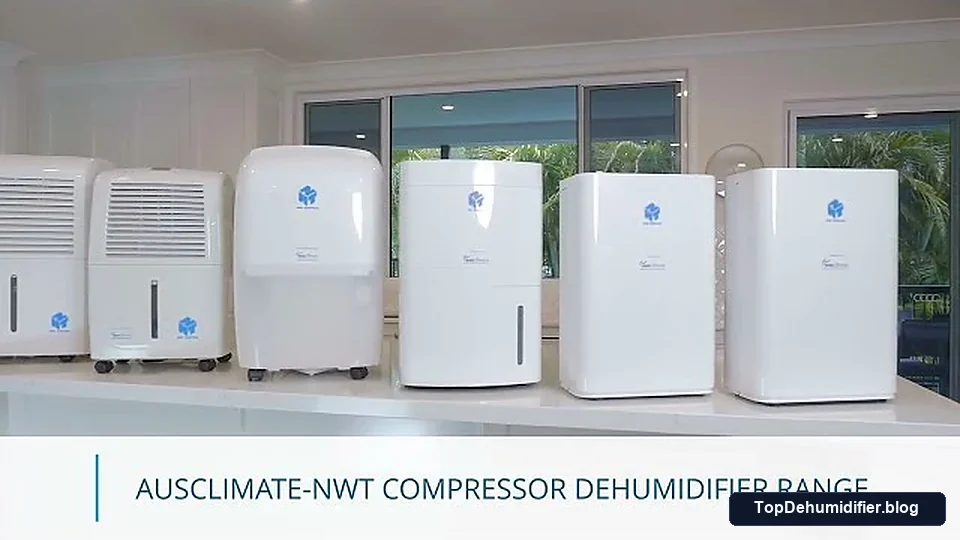
Conversely, desiccant technology utilizes chemical sorption principles. A rotating porous matrix coated with hydrophilic materials actively binds water vapor molecules directly from the passing air without relying on refrigerant phase changes.
Engineering these two distinct systems dictates their structural weight and physical dimensions. Compressor builds incorporate heavy motorized pumps and metallic coils, whereas desiccant alternatives feature lightweight ceramic matrices and electric heating elements.
Compressor dehumidifiers rely on a traditional refrigeration cycle, utilizing a compressor and evaporator coils to condense ambient moisture out of the air via rapid thermal exchange mechanisms.
In contrast, desiccant models deploy a rotating silica gel rotor paired with an internal reactivation heater to continuously adsorb and thermally drive off trapped water vapor molecules efficiently.
Mechanical refrigeration units are heavier due to sealed copper tubing and heavy compressors, whereas desiccant units leverage lightweight ceramic matrices and high-speed fans for portable operational flexibility.
- Refrigerant systems use compressors, expansion valves, and dual coil arrays for phase-change condensation.
- Sorption units pass humid air through a slowly rotating silica or zeolite matrix.
- Thermal reactivation heaters regenerate the chemical rotor by driving out trapped moisture continuously.
Thermodynamic Principles of Condensation
Compressor systems operate by forcing a working fluid through a closed circuit. As the fluid expands past the valve, surrounding evaporator coils chill rapidly, causing airborne humidity to condense into liquid droplets immediately.
This mechanical extraction method depends heavily on maintaining a sharp temperature differential between the cold coil surface and the warm ambient room air to ensure high water removal efficiency throughout operation.
- Evaporator coils drop significantly below ambient dew points.
- Latent heat is released back into the room via the condenser.
Chemical Sorption Mechanics in Rotors
To understand these internal mechanics, read our guide on how desiccant dehumidifiers work. These porous silica wheels trap moisture using chemical affinity instead of temperature differentials.
A dedicated reactivation sector uses an internal electric heater to bake collected moisture out of a small wedge of the spinning wheel, venting the resulting vapor safely outside via flexible exhaust ducting.
- Hydrophilic surface coatings maximize active surface area.
- Continuous reactivation prevents saturation of the porous matrix.
Real-World Performance Across Temperature Ranges
Evaluating real-world performance requires charting extraction rates against fluctuating ambient temperatures. Compressor units dominate warm environments because higher heat supplies the thermal energy needed for efficient vapor condensation on coils.
When temperatures drop below fifteen degrees Celsius, standard compressor coils begin accumulating frost. This ice buildup insulates the metal tubing, drastically reducing moisture extraction and triggering mandatory defrost cycles that halt water collection.
Desiccant curves remain remarkably stable across sub-zero and chilly operational spectrums. Because they bypass refrigeration cycles entirely, their extraction capacity stays consistent even when installed inside unheated winter spaces or cold cellars.
Refrigeration cycle efficiency plummets drastically below sixty degrees Fahrenheit because frost forms on the cold coils, requiring frequent defrost cycles that interrupt continuous water extraction rates.
Desiccant systems maintain stable moisture removal capacities even in near-freezing environments, making them the superior choice for unheated spaces like crawl spaces and detached garages.
While those unheated areas need specific thermal handling, you should review our low-temperature desiccant dehumidifier guide to evaluate how units maintain adsorption capacity during winter.
- Compressor extraction plummets sharply below fifteen degrees Celsius due to coil icing.
- Desiccant efficiency remains uniform across cold, unheated environments and winter garages.
- Relative humidity thresholds dictate whether mechanical or chemical systems extract water faster.
Behavior in Warm and Humid Environments
In environments exceeding twenty-four degrees Celsius with high relative humidity, compressor units achieve peak performance metrics. The warm air delivers abundant moisture, allowing the refrigeration circuit to extract gallons of water daily.
Running a desiccant machine in these hot conditions is usually inefficient. The added heat from the reactivation heater can elevate indoor temperatures uncomfortably, making mechanical compressors the superior cooling choice.
- High ambient heat enhances refrigerant pressure differentials.
- Energy consumption remains optimized during peak summer months.
Extraction Efficiency in Cold Spaces
Unheated areas present severe challenges for traditional refrigeration hardware. Frost sensors trip continuously, shutting down the compressor to melt ice, which results in zero net water collection during extended cold snaps.
Desiccant systems thrive in these exact marginal conditions. Their performance curve remains flat because thermal sorption does not rely on temperature differentials, ensuring dry air in frigid storage sheds.
- Chemical sorption avoids frosting issues inherent to cold coils.
- Consistent output protects sensitive equipment in winter spaces.
Maintenance, Efficiency, and Operating Longevity
Long-term operational success depends heavily on routine maintenance schedules and electrical draw. Compressor units demand regular air filter cleanings and periodic checks on internal drainage lines to prevent harmful microbial growth.
These machines feature fewer moving parts, reducing failure risks. For instance, our Ivation 13-pint desiccant review highlights how continuous heating elements draw high electrical loads during long operating cycles.
Properly maintaining refrigerant coils involves gentle brushing and washing to remove dust buildup. Neglecting this maintenance reduces heat transfer efficiency, forcing the compressor to work harder and shortening its overall operational lifespan.
Compressor units demand regular air filter washing and occasional coil inspections to prevent airflow blockages, safeguarding the sealed refrigerant circuit against premature mechanical failure.
Desiccant dehumidifiers have fewer moving mechanical parts, but their internal reactivation heaters and silica rotors require clean air inputs to prevent permanent rotor contamination.
Energy consumption varies significantly; compressors consume moderate wattage primarily for the pump and fan, whereas desiccants draw higher continuous power due to their internal heating elements.
- Compressors require coil cleaning, filter washing, and regular bucket sanitization.
- Desiccant models need dust removal from rotors and electrical safety checks.
- Electrical consumption favors compressors in warm spaces and desiccants in deep cold.
Electrical Consumption and Power Draw
Compressor motors use significant wattage during startup but settle into efficient running states in warm rooms. Their overall power efficiency drops drastically when ambient temperatures fall and defrost cycles engage repeatedly.
Desiccant units maintain a steady, high wattage draw because the internal heating element operates constantly during the drying cycle. This steady consumption can noticeably impact monthly utility bills during extended continuous runs.
- Refrigerant compressors leverage variable power depending on ambient heat.
- Resistance heaters demand constant high wattage for moisture desorption.
Component Lifespan and Wear Patterns
The sealed refrigerant circuit in a compressor unit typically lasts many years if the copper tubing avoids punctures or corrosion. Mechanical wear usually affects the fan motor or condensate pump bearings first.
Desiccant matrices degrade very slowly if protected from heavy dust and chemical fumes. The primary wear item is the reactivation heater assembly, which undergoes thermal cycling and may eventually require professional replacement.
- Sealed copper refrigerant lines prevent permanent fluid loss.
- Thermal cycling gradually stresses desiccant heating elements.
Which Option Fits Your Specific Application
Selecting the correct dehumidifier technology requires evaluating your specific installation environment. Basements, main living areas, and laundry rooms benefit immensely from compressor systems due to their superior summer extraction rates.
Boats, caravans, and uninsulated workshops require specialized cold-weather performance. You can explore top options inside our desiccant dehumidifier for garage review to prevent dampness without freezing evaporator coils.
Assessing local climate patterns and seasonal temperature fluctuations ensures you purchase equipment engineered for your exact operational requirements rather than relying on generic room sizing guides.
Select a compressor dehumidifier for standard basement environments and main living areas where room temperatures consistently stay safely above sixty-five degrees Fahrenheit for optimal efficiency.
Choose a desiccant unit when tackling cold spaces, uninsulated cabins, or specialized storage areas requiring precise humidity control without risking sub-zero coil freeze-ups.
Always evaluate your local climate conditions, structural temperature fluctuations, and daily operating budget carefully before investing in either dehumidification technology type for long-term performance.
- Match compressors to conditioned living spaces and warm basements.
- Deploy desiccant units in unheated garages, boats, and cold sheds.
- Analyze minimum expected winter temperatures before selecting equipment.
Ideal Scenarios for Compressor Units
Choose a compressor dehumidifier when managing whole-home humidity in temperate climates. These units extract massive moisture volumes efficiently while keeping electricity costs low in standard residential environments.
They are also the preferred choice for large, open-plan basements where ambient temperatures stay reliably above fifteen degrees Celsius throughout the damp season, ensuring uninterrupted water removal.
- Best for high humidity paired with warm ambient temperatures.
- Delivers high daily extraction capacities for large square footage.
Ideal Scenarios for Desiccant Units
Select a desiccant dehumidifier when protecting items in unheated winter storage or damp garden sheds. Their ability to operate in freezing temperatures prevents mold without mechanical frost damage.
They also suit quiet bedrooms or small offices where the absence of a humming compressor motor provides a significantly quieter acoustic footprint during nighttime operation.
- Maintains drying performance in sub-zero ambient conditions.
- Operates quietly with fewer heavy mechanical vibrations.
Frequently Asked Questions
Why do compressor dehumidifiers freeze up in cold weather?
Compressor units rely on cold evaporator coils to condense moisture from the air stream. When ambient temperatures drop below fifteen degrees Celsius, the coil temperature falls below freezing, causing accumulated water to turn into ice and halt extraction completely.
Do desiccant dehumidifiers cost more to run than compressors?
Desiccant models generally draw higher continuous wattage because their internal electric heating element must operate constantly to regenerate the sorption rotor. However, in cold environments, they run more efficiently than freezing compressor units.
Can I use a compressor dehumidifier inside an unheated garage?
Operating a compressor unit in an unheated winter garage is generally ineffective because low temperatures trigger continuous frost cycles. You should select a desiccant alternative for spaces where temperatures frequently drop below fifteen degrees.
How often should I clean the air filters on these devices?
You should inspect and wash the air filters on compressor and desiccant dehumidifiers every two weeks to maintain optimal airflow. Neglecting this routine maintenance drastically reduces moisture removal efficiency and strains internal electrical components.
Do desiccant dehumidifiers require special ventilation setup?
Most consumer desiccant units exhaust the warm, damp reactivation air internally or out a small vent. Industrial or high-capacity models often require dedicated ducting to expel moisture safely outside and prevent indoor humidity buildup.