Alorair SentinelHDi65 vs SentinelHDi90: Technical Verdict
Choose the SentinelHDi65 for compact crawlspaces or select the SentinelHDi90 for severe moisture loads. Balancing extraction capacity with physical space ensures long-term operational success.

Pick the SentinelHDi65 for standard residential crawlspaces up to 6,000 square feet, or choose the SentinelHDi90 when tackling massive moisture intrusions exceeding 90 pints per day.
Compare all top models in our Best Dehumidifier: Top Picks for Healthy Indoor Air.
Side-by-Side Breakdown
| Criteria | Alorair SentinelHDi65 | SentinelHDi90 | Edge |
|---|---|---|---|
| Core Design / Build | Compact horizontal rotomolded chassis | Larger high-capacity rotomolded chassis | SentinelHDi65 |
| Real-World Performance | 65 pints per day at AHAM conditions | 90 pints per day at AHAM conditions | SentinelHDi90 |
| Ease of Setup & Use | Easier placement in tight crawlspaces | Requires slightly more clearance room | SentinelHDi65 |
| Durability & Reliability | Epoxy-coated coils and heavy-duty frame | Epoxy-coated coils and heavy-duty frame | Tie |
| Efficiency / Operating Footprint | Lower amp draw for moderate loads | Higher power draw for heavy extraction | SentinelHDi65 |
| Maintenance Requirements | Standard MERV-10 filter and condensate pump | Standard MERV-10 filter and condensate pump | Tie |
| Best Ideal Use Case | Medium residential crawlspaces and basements | Large commercial spaces and damp crawlspaces | SentinelHDi90 |
Core Design & Engineering Differences
Engineering high-performance dehumidifiers requires balancing physical dimensions with internal component layout. Both units utilize rotomolded polyethylene housings designed to resist cracking, rust, and harsh basement environments.
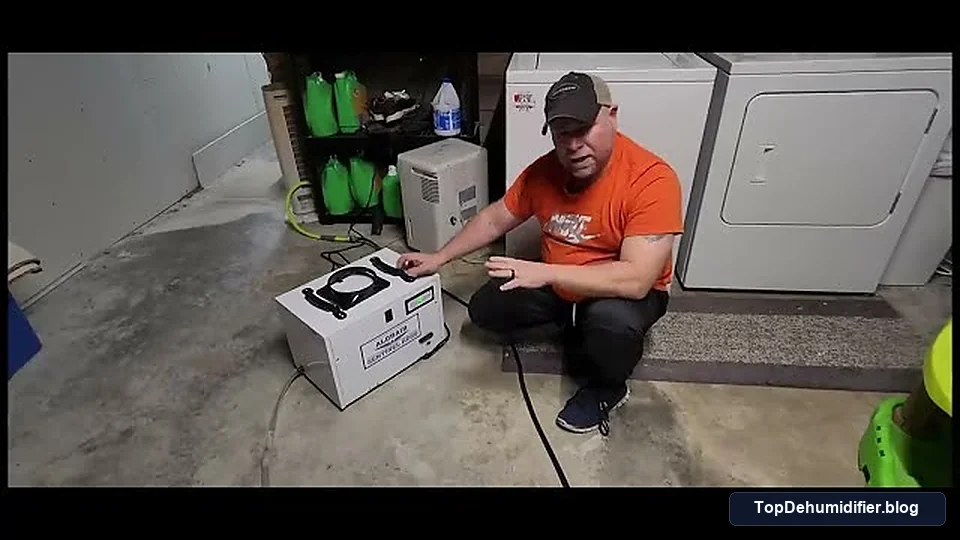
The internal refrigeration circuits feature rare-earth epoxy-coated coils that significantly extend operational lifespans in corrosive environments. Technicians will appreciate the straightforward access panel layout for rapid electrical diagnostics.
Structural reinforcement differs slightly due to the larger compressor and coil assembly housed inside the high-capacity model. Structural rigidity remains exceptional across both platforms, preventing chassis flexing during transport.
The SentinelHD65 utilizes a compact rotomolded polyethylene chassis designed for tight crawlspaces, whereas the SentinelHD90 features a slightly expanded housing to accommodate a larger refrigeration circuit and higher-capacity compressor.
Internal component layout dictates the physical footprint, with the HD65 prioritizing a low-profile vertical clearance of 14 inches and the HD90 requiring additional headroom to house its heavy-duty copper tube condenser coils.
Structural rigidity across both models relies on rust-resistant metal framing and insulated panels. Consult our Alorair Storm Lgr Extreme commercial dehumidifier review to evaluate heavy-duty operational vibration standards.
- Rotomolded polyethylene housing resists impact damage
- Epoxy-coated condenser and evaporator coils prevent corrosion
- Removable side panels simplify internal component inspection
Chassis Dimensions and Weight
Physical footprint dictates where each unit can be successfully deployed without sacrificing airflow. The smaller model weighs noticeably less, making single-person positioning much safer in confined crawlspace joist bays.
Heavier framing components on the larger variant require two-person lifting protocols to prevent lower back strain during installation. Always measure your access hatches carefully before ordering heavy moisture mitigation equipment.
- Lighter chassis simplifies solo crawlspace positioning
- Heavier frame demands proper lifting equipment usage
Real-World Extraction Performance
Extracting moisture efficiently under standard testing conditions separates professional units from consumer-grade alternatives. The smaller baseline unit removes 65 pints daily at standard AHAM temperature and relative humidity parameters.
Stepping up to the high-capacity variant increases water removal to 90 pints daily under identical laboratory testing metrics. This extra capacity prevents relative humidity spikes during heavy seasonal rain events.
Both systems utilize advanced automatic defrost cycles to maintain continuous operation in colder crawlspace environments. Frost accumulation on the coils triggers rapid hot-gas defrosting, resuming dehumidification quickly.
Under standard AHAM conditions, the HD65 extracts 65 pints per day, making it exceptionally suited for compact basements up to 1,300 square feet requiring reliable moisture suppression without over-drying.
Stepping up to the HD90 yields 90 pints per day at AHAM, providing the necessary thermal capacity to combat severe humidity loads in spaces spanning up to 2,600 square feet with high latent heat.
Low-temperature operation is governed by automatic defrost sensors, allowing both units to maintain efficient extraction down to 33 degrees Fahrenheit utilizing continuous hot-gas defrost cycles to prevent evaporator icing.
- AHAM rating of 65 pints for standard residential spaces
- AHAM rating of 90 pints for demanding water loads
- Automatic hot-gas defrost ensures low-temperature operation
Water Removal Efficiency Curves
Operating efficiency varies depending on ambient temperature and relative humidity levels inside the room. Lower ambient temperatures cause reduced extraction rates across both units due to compressor physics.
Choosing the correct capacity ensures your compressor does not run continuously without achieving target humidity goals. Proper sizing reduces total runtime and lowers long-term electricity consumption significantly.
- Performance scales dynamically with ambient relative humidity
- Proper unit sizing prevents excessive continuous runtime
Airflow Dynamics & Static Pressure
Moving air effectively through long duct runs requires robust internal blowers and optimized scroll housings. Both systems incorporate high-static blowers capable of overcoming resistance from flexible ducting networks.
External static pressure ratings allow installers to push dry air into remote corners of large crawlspaces. Proper duct distribution eliminates stagnant moisture pockets that commonly foster mold and mildew growth.
Blower motor speeds can be adjusted to match specific duct layouts, ensuring balanced airflow throughout the structure. Maintaining optimal velocity across the evaporator coils maximizes moisture condensation rates effectively.
Internal blowers dictate ducting capability, with the HD65 pushing roughly 130 CFM of processed air, which is optimized for localized circulation rather than extensive multi-room duct layouts.
Conversely, the HD90 generates an increased airflow of 200 CFM, supporting higher external static pressure necessary for running rigid or flexible ducting through complex structural floor joists.
Proper duct configuration requires matching the manufacturer's maximum recommended run lengths to prevent motor strain, ensuring that static pressure drops do not degrade overall moisture removal rates over time.
- High-static blowers support extensive flexible duct runs
- Adjustable fan speeds optimize air distribution patterns
- Optimized scroll housing reduces overall operational noise
Ducting Flexibility and Options
Supply and return collar attachments enable multi-room drying configurations using rigid or flexible ducting. Sealed crawlspace installations benefit immensely from pulling moist air from distant perimeter walls.
Always secure duct connections with foil tape and nylon zip ties to prevent static pressure loss. Air leaks in ductwork reduce overall system efficiency and waste valuable electrical energy.
- Intake and exhaust collars support versatile routing
- Secure connections prevent costly static pressure drops
Maintenance, Efficiency & Longevity
Routine upkeep keeps industrial dehumidifiers operating at peak efficiency throughout their multi-year service lives. Standard MERV-10 filters capture airborne dust and mold spores before they foul the aluminum evaporator fins.
Inspecting and washing washable air filters monthly prevents airflow restriction and compressor overheating failures. Read our detailed Alorair SentinelHDi65 review to understand core capacity limits.
Internal condensate pumps feature reliable float switches designed to lift drainage water out of deep basements. Regular pump reservoir cleaning prevents biological slime buildup and mechanical float obstruction issues.
Energy consumption scales proportionally with capacity, as the HD65 draws fewer amps while delivering stellar EF ratings, contrasting with the HD90 which demands higher electrical current to drive its larger compressor.
Routine maintenance involves sliding out the washable MERV-8 or optional HEPA filter, which traps airborne particulates before they can foul the aluminum fins and reduce overall thermal transfer efficiency.
Condensate management relies on integrated heavy-duty pumps with generous drain heights, allowing reliable vertical water discharge through standard vinyl tubing directly to exterior wastewater disposal points.
- MERV-10 filtration protects internal coils from dust
- Washable filters reduce ongoing consumable replacement costs
- Integrated condensate pump simplifies vertical drainage tasks
Electrical Consumption and Amperage
Monitoring electrical draw ensures your home wiring easily supports heavy commercial moisture mitigation hardware safely. The smaller unit draws fewer amps, making it ideal for older electrical circuits.
The larger extraction engine demands a dedicated circuit to prevent breaker trips during peak cooling cycles. Consult a licensed electrician if you suspect your sub-panel lacks adequate capacity.
- Lower amp draw accommodates standard residential circuits
- Higher extraction requires careful circuit load planning
Control Systems & Remote Monitoring
Modern digital controllers provide precise relative humidity readouts and effortless user programming interfaces. Clear LCD screens display current inlet and outlet conditions for rapid diagnostic assessment.
Optional remote control thermostats allow homeowners to monitor crawlspace humidity from upstairs living areas conveniently. Explore our Alorair Sentinelhdi90 crawl space dehumidifier review for advanced setup specs.
Memory lockout features prevent unauthorized adjustments to humidity setpoints in commercial rental properties or schools. Error code diagnostics display automatically on the screen, streamlining troubleshooting procedures for technicians.
Digital interface panels on both units feature intuitive humidity readouts, allowing technicians to program precise target relative humidity levels using simple electronic touchpad controls built into the chassis.
Remote monitoring capabilities support optional wired or wireless controllers, granting homeowners the ability to track basement conditions and receive error codes without physically entering damp crawlspaces.
Memory backup features automatically restore previous operating parameters following a power outage, ensuring uninterrupted dehumidification cycles and protecting property investment from sudden weather disruptions.
- Digital display shows real-time temperature and humidity
- Optional remote controllers enable convenient upstairs monitoring
- Automatic error code readout simplifies technician diagnostics
Smart Home Integration Capabilities
Connecting moisture control equipment to external automation systems enhances whole-home humidity management strategies. Low-voltage terminal blocks support integration with third-party HVAC thermostats and monitoring hubs.
Automated alerts notify property managers immediately if condensate pumps fail or relative humidity exceeds thresholds. Proactive monitoring prevents catastrophic structural water damage in remote commercial buildings.
- Low-voltage terminals connect to external automation systems
- Automated fault alerts prevent severe structural damage
Installation Layouts & Crawlspace Ergonomics
Fitting bulky climate control equipment into cramped crawlspace environments presents unique physical challenges for installers. Low profile heights allow both units to slide easily beneath low floor joist clearances.
Adjustable leveling feet compensate for uneven dirt or concrete subfloors found in older residential foundations. Proper leveling ensures the internal condensate pan drains completely without standing water accumulation.
Hanging kits are available for suspending the chassis from floor joists, keeping units safe from standing floodwater. Suspended installations also free up valuable floor space for vapor barrier maintenance access.
Fitting equipment into tight crawlspaces demands careful spatial planning, making the lower profile of the HD65 an ideal choice for clearance-restricted trenches where overhead pipes limit vertical movement.
The larger dimensions of the HD90 require designated platform staging, ensuring the unit rests level to facilitate proper internal gravity drainage and prevent vibration resonance against foundation walls.
Service clearance must account for filter removal and pump access, requiring technicians to maintain at least two feet of clearance around the intake and exhaust grilles for proper airflow.
- Low profile height fits tight crawlspace clearance limits
- Adjustable feet ensure proper drainage on uneven floors
- Optional hanging kits protect units from standing water
Condensate Management Best Practices
Routing drain tubing safely to exterior discharge points or sump pits prevents messy indoor water leaks. Always maintain a continuous downward slope along the entire length of the vinyl drain hose.
Check local building codes before discharging condensation water directly into municipal storm sewer systems. Proper installation practices guarantee worry-free automated operation during severe weather seasons.
- Downward hose slope prevents standing water clogs
- Local code compliance avoids municipal drainage fines
Which Option Fits Your Setup
Selecting the right Alorair model depends strictly on your square footage and regional moisture severity levels. Moderate climates and average-sized crawlspaces match the extraction capabilities of the smaller baseline unit.
Severe water intrusion, massive square footage, or unsealed dirt floors demand the heavy-duty extraction power. Investing in the correct capacity upfront guarantees comfortable humidity levels and protects structural timber integrity.
Evaluate your specific layout constraints, electrical supply limits, and budget before making a final purchasing decision. Consulting professional moisture mapping reports provides definitive sizing data for complex building structures.
Selecting the correct model depends primarily on total square footage and ambient moisture loads, with the HD65 perfectly tailored for standard residential crawlspace environments featuring moderate vapor intrusion.
Properties experiencing severe groundwater infiltration, dense clay soils, or expansive floor plans should immediately opt for the HD90 to achieve rapid relative humidity reduction and prevent structural rot.
Evaluating your specific layout against manufacturer sizing guidelines guarantees long-term equipment reliability. Read our best dehumidifier guide to compare leading industry air quality benchmarks.
- Match unit capacity to regional moisture severity levels
- Consider square footage and vapor barrier quality together
- Consult professional moisture mapping for complex layouts
Final Decision Matrix Summary
Both dehumidifiers represent top-tier engineering standards within the modern residential restoration and waterproofing industry. Your specific environmental challenges will ultimately determine which machine delivers superior long-term value.
Prioritize proper sizing over budget savings to ensure reliable relative humidity control year-round. High-quality moisture mitigation preserves building health and prevents costly structural repairs down the road.
- Industry-leading engineering ensures long-term operational reliability
- Prioritize correct sizing over initial cost savings
Frequently Asked Questions
What is the primary difference between these two models?
The primary difference lies in their water extraction capacity, with the larger unit removing more pints per day. Selecting the right model depends on your total square footage and moisture load.
Do both dehumidifiers include built-in condensate pumps?
Yes, both systems feature integrated condensate pumps designed to lift drainage water vertically. This allows flexible installation in basements and crawlspaces without gravity floor drains.
How often should I clean or replace the air filters?
You should inspect and wash the MERV-10 air filters every month to maintain optimal airflow. Regular cleaning prevents compressor overheating and extends overall equipment lifespan.
Can these units be connected to external ductwork?
Both models support flexible ducting connections for supply and return air routing. This enables multi-room drying configurations in complex or segmented crawlspaces.
Are these dehumidifiers suitable for unconditioned crawlspaces?
Both units are specifically engineered with rotomolded housings to withstand harsh crawlspace conditions. Their internal components resist corrosion caused by high humidity and damp earth.